
Volver al blog
Artículo
How to Construct a Mobile Toilet
Admin 21 de septiembre de 2026
The construction methods for mobile toilets vary depending on their type and design, generally falling into categories such as self-made, prefabricated installation, and general construction principles, with special handling required for toilet relocation in certain scenarios.
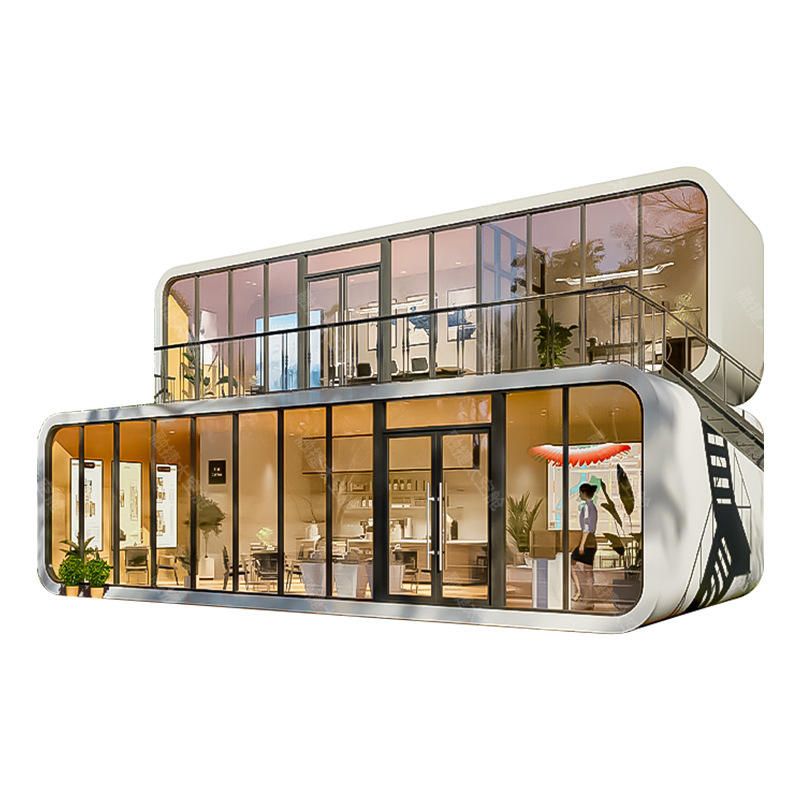
I. Construction of Self-Made Mobile Toilets
- Basic Frame Construction: Select recycled water storage tanks as the main structure, cut openings, stack and secure them, install a support plate at the bottom, and add universal wheels to ensure mobility.
- Functional Module Installation: Cut doorways and drainage openings in the water storage tanks, install toilets, sinks, faucets, and other facilities, connect water inlet and outlet pipes to form a complete water circulation system.
- Detail Refinement: Install door panels and seal gaps to prevent odor diffusion; check pipe connections for firmness to avoid water leakage risks.
II. On-Site Installation of Prefabricated Mobile Toilets
- Tool Preparation: Equip with an electric drill, 4.2mm drill bit, and rivet gun to ensure splicing accuracy and fixing strength.
- Structural Assembly: Install factory-prefabricated internal corners sequentially, align the panels after inserting them into the slots, drill holes, and insert rivets to secure them, forming a sturdy frame structure.
- Functional Debugging: Connect water and electricity lines, test toilet flushing, sink drainage, and other functions for normal operation, adjust the smoothness of door panel opening and closing.
III. General Construction Principles
- Frame Design: Use steel welding for the frame, reinforce the load-bearing capacity at the bottom with channel steel or I-beams, use square steel for columns to ensure vertical stability, and the frame structure should meet lifting requirements.
- Wall Materials: Select lightweight, high-strength materials such as color steel plates and fiberglass reinforced plastics, balancing durability and mobility.
- Dimension Control: Strictly control height and width to ensure compliance with transportation and installation site requirements, while reserving sufficient internal space.
IV. Special Handling for Toilet Relocation
- Small-Scale Relocation: If the toilet needs to be moved 10-30 centimeters, a relocator can be used, but a slope of 1%-3% should be reserved to prevent sewage backflow.
- Large-Scale Relocation: If the relocation distance exceeds 30 centimeters, the ground needs to be raised and drainage pipes relaid to ensure smooth drainage and compliance with building codes.
Relacionados



