
Volver al blog
Artículo
Mobile Toilet Cleaning
Admin 21 de septiembre de 2026
Cleaning mobile toilets requires selecting appropriate methods based on cleaning needs, mainly divided into three categories: the eight-step cleaning method, professional cleaning steps, and daily cleaning methods. The specific operations are as follows:
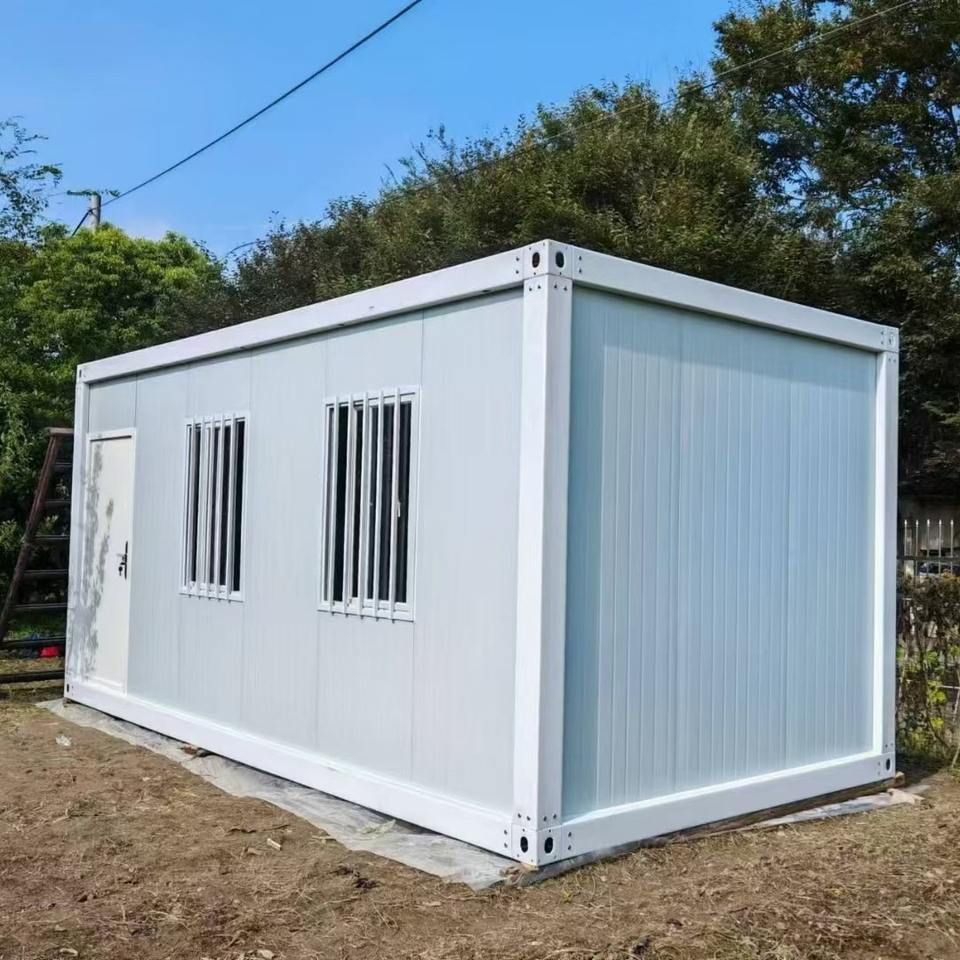
I. Eight-Step Cleaning Method (Suitable for daily maintenance of public mobile toilets)
- Remove dust and cobwebs: Use a broom to clean dust from high areas such as the ceiling, walls, window screens, and lighting fixtures to prevent bacteria growth from accumulated dust.
- Wipe surfaces: Use a cloth to clean high-contact areas such as doors, windows, sinks, partition boards, walls, and switches to reduce the risk of cross-contamination.
- Scrub toilets: Use a specialized brush to thoroughly scrub alkaline scale in squat toilets, sit-down toilets, and urinals to ensure no residue remains.
- Sweep garbage: Clean garbage inside and outside the area, and promptly replace garbage bags in trash cans to prevent odor spread.
- Mop floors: Use a mop to remove standing water on the floor, keeping it dry to prevent slipping accidents.
- Inspect facilities: Check if faucets, sensing devices, and coat hooks are intact, and report damaged parts for repair promptly.
- Disinfect: Spray disinfectant on door and window handles, faucets, switches, etc., at least three times a day, and turn on deodorizing equipment or light incense.
- Organize tools: Store cleaning supplies such as mops and brooms in the tool room to ensure no clutter in the toilet.
II. Professional Cleaning Steps (Suitable for deep cleaning or waste disposal)
- Pre-treatment: Workers need to wear waterproof aprons, non-slip rubber boots, nitrile gloves, and goggles, and set up mobile warning signs to isolate the area.
- Empty waste: Use a vacuum truck to empty liquid and solid residue from the waste tank to prevent secondary pollution.
- High-pressure washing: Use a cleaning machine to spray the toilet walls, fixtures, floors, and dead corners, focusing on removing excreta, tissue residue, and calcified scale.
- Deep disinfection: Cover all contact surfaces, including door handles and flush buttons, with disinfectant by spraying or wiping, maintaining contact for 10-15 minutes.
- Air treatment: Use atomized deodorizers to neutralize odor gases such as ammonia and hydrogen sulfide.
- Equipment maintenance and waste disposal: Check seals, exhaust fans, etc., and report damage promptly; transport waste and wastewater to designated treatment facilities for proper disposal.
III. Daily Cleaning Methods (Suitable for personal or small mobile toilets)
- Remove dust and debris: Use a vacuum cleaner or mop daily to remove dust, focusing on corners and crevices.
- Clean floors and toilets: Use cleaning agents and disinfectants to clean floors and toilets, paying special attention to disinfecting toilet seats and internal grooves.
- Clean sinks: Clean faucets and drain holes to prevent limescale buildup.
- Replace garbage bags: Replace garbage bags in trash cans daily to prevent overflow.
- Regular maintenance: Entrust a professional company to deep clean pipes and check equipment operation status regularly.
Relacionados



