
Mobile Toilet Cleaning
The cleaning of mobile toilets mainly relies on their unique design features and technical routes.
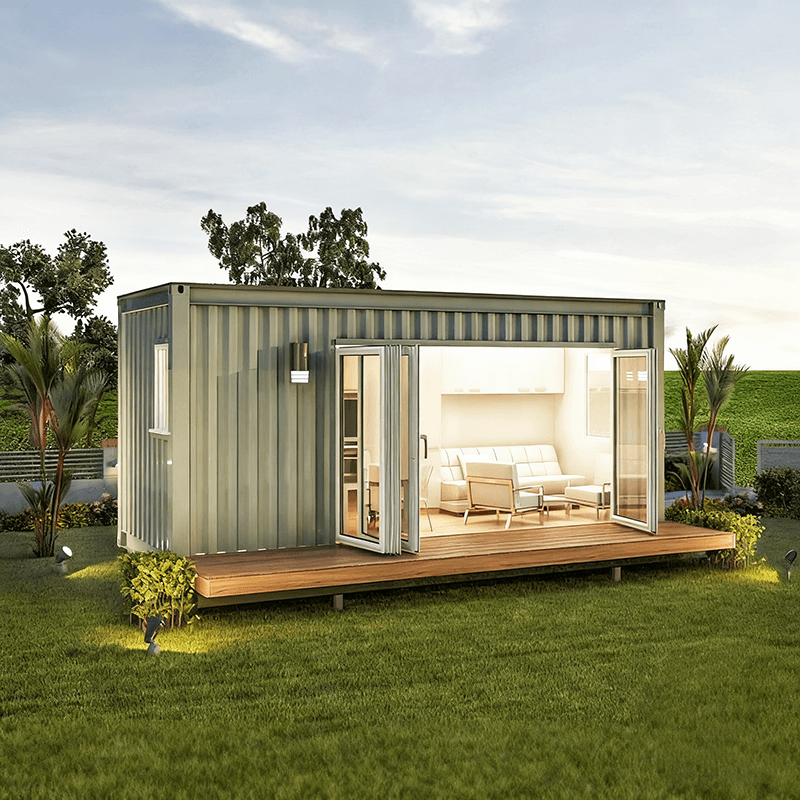
I. Structural Design Ensures Basic Cleanliness Mobile toilets are composed of modular components such as fecal sewage storage tanks (or disposal units), floor slabs, sanitary fixtures, walls, washing facilities, water tanks, roofs, and mobile units. One of its core designs is the independent toilet pit zoning treatment system: the urine channel uses gravity self-flow to directly guide urine into the storage tank, reducing pipeline residue; the feces channel employs a piston-type scraper mechanical device to automatically scrape away excreta and push it into the storage tank after each use, preventing dirt adhesion. This zoning treatment mode reduces cleaning difficulty from a physical perspective, ensuring timely transfer of excreta and minimizing odor diffusion.
II. Water-Saving Technology Improves Cleaning Efficiency Mobile eco-friendly public toilets adopt water circulation optimization technology, achieving a flushing effect with only 0.46 liters of water per person by automatically collecting hand-washing water and adding special biological agents. This technology is implemented in two steps: first, the drainage from washing facilities is initially filtered and then enters the storage tank; second, the added agents can decompose organic matter and inhibit bacterial growth. Combined with anti-slip floor design (reducing water splashing) and automatic flushing toilet bowls (precisely controlling water volume), flushing is completed with extremely low water consumption. For example, traditional public toilets require 6-8 liters of water per flush, while mobile toilets reduce water consumption by more than 90% through technological optimization, while also avoiding cleaning residues caused by insufficient water volume.
III. Zoned Treatment Technologies Suit Different Scenarios According to differences in usage environments, mobile toilets offer diverse sewage treatment solutions:
- Water-flush and waterless suction types: Suitable for scenarios with a water source and requiring rapid cleaning, these types regularly empty the storage tank using high-pressure water guns or vacuum suction equipment;
- Recirculating water-flush type: Equipped with membrane bioreactors (MBRs) and other devices, these toilets filter and disinfect sewage for recirculation, suitable for water-scarce areas or long-term fixed usage scenarios;
- Dry packing type: These use biodegradable plastic bags to encapsulate excreta, requiring no water, and achieve cleanliness by replacing the packing bags, commonly used in remote areas without sewage pipelines.
IV. Auxiliary Systems Enhance Cleaning Effects The ventilation and lighting systems maintain internal air circulation through forced ventilation and natural lighting design, reducing bacterial growth; anti-slip floors use concave-convex textures or anti-slip coatings to prevent sewage accumulation; some high-end models are also equipped with ultraviolet disinfection lamps or ozone generators to further kill pathogens. These auxiliary systems work in synergy with the main structure to build a multi-layered cleaning guarantee system.



