
Mobile Toilet Cleaning
Mobile toilet cleaning should follow standardized procedures, utilizing professional tools and materials to achieve efficient cleaning and hygiene maintenance. The specific steps are as follows:
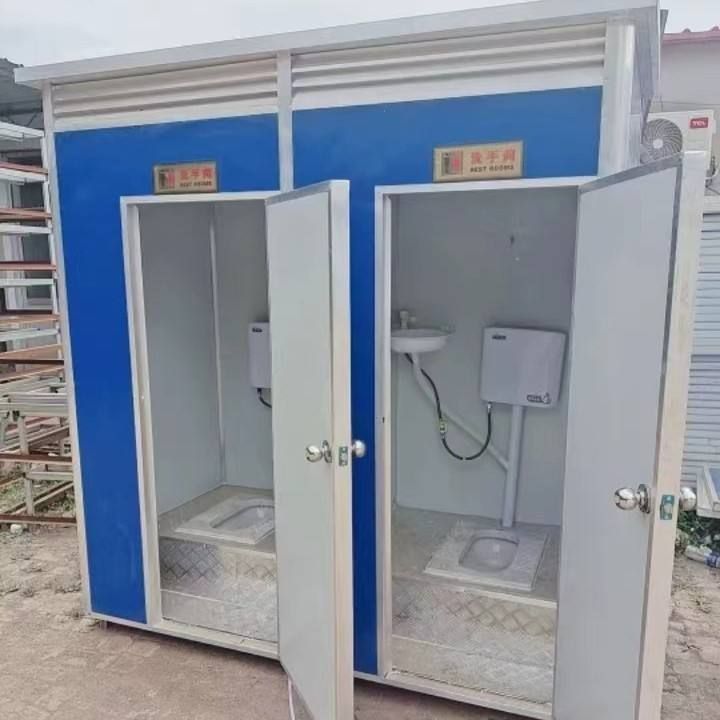
Pre-treatment and Tool Preparation
Before starting work, wear full protective gear, including a waterproof apron, non-slip rubber boots, nitrile gloves, and goggles, to avoid contact with contaminants. Use mobile warning signs to isolate the work area and ensure safety. Core tools include a high-power vacuum sewage truck (for extracting waste), a high-pressure washer (pressure 120-180 bar), a long-handled hard brush, a non-ionic surfactant cleaner (strong cleaning power without damaging materials), a specialized disinfectant (chlorine or hydrogen peroxide-based, concentration 500-1000 mg/L), and independently sealed waste collection bags.Emptying Waste and Initial Rinsing
Connect the suction hose to the sewage outlet and start the vacuum pump to slowly extract all liquid and solid residues from the storage tank, avoiding blockages or splashing in the pipeline. After completion, inject a small amount of clean water and suction again to rinse residual matter from the tank walls, reducing the difficulty of subsequent cleaning.High-Pressure Rinsing and Stubborn Stain Removal
Use a high-pressure washer to spray the toilet interior walls, fixtures, floor, and dead corners with a fan-shaped water jet, focusing on removing excreta, tissue residues, and calcified dirt. For stubborn stains, scrub repeatedly with a long-handled brush dipped in cleaner to ensure no residue remains on the surface.Deep Disinfection and Contact Surface Coverage
Apply disinfectant by spraying or wiping to cover all contact surfaces, including high-frequency touch areas like door handles, flush buttons, and handrails. Maintain contact for 10-15 minutes, then rinse with clean water to avoid chemical residue. Simultaneously, disinfect the suction hose, connectors, and tools with the same intensity to prevent cross-contamination.Air Treatment and Odor Control
Use atomized deodorizers to neutralize odor gases such as ammonia and hydrogen sulfide, rather than masking them with fragrances, ensuring air quality meets hygiene standards.Equipment Maintenance and Preventive Treatment
Inspect components such as toilet seals, exhaust fans, door lock hinges, and solar power systems, recording and reporting any damage promptly. After cleaning, leave a small amount of clean water in the storage tank and add a biodegradable agent to suppress odors and extend equipment lifespan.Proper Disposal of Waste
Transport extracted waste and cleaning wastewater to designated sewage treatment facilities or septic tanks for regulated discharge. Prohibit dumping into storm drains or non-designed pipelines to avoid environmental pollution.Record-keeping and Traceability Management
Fill out a record form including cleaning time, disinfectant usage, equipment status, and wastewater flow direction to establish a traceable work archive, providing data support for subsequent maintenance.
Material and Design Optimization: Modern mobile toilets use high-density polyethylene (HDPE) or stainless steel interior walls, which are smooth and resistant to dirt adhesion, improving cleaning efficiency by approximately 50% compared to traditional tiled toilets. Some high-end models are equipped with automatic sensor flushing and deodorization/disinfection systems, significantly reducing cleaning frequency.



