
Mobile Toilet Chassis Design
The core of mobile toilet chassis design revolves around flexible mobility and rapid fixation, achieving efficient deployment and stable use through wheeled structures, lifting interfaces, and ground anchor systems.
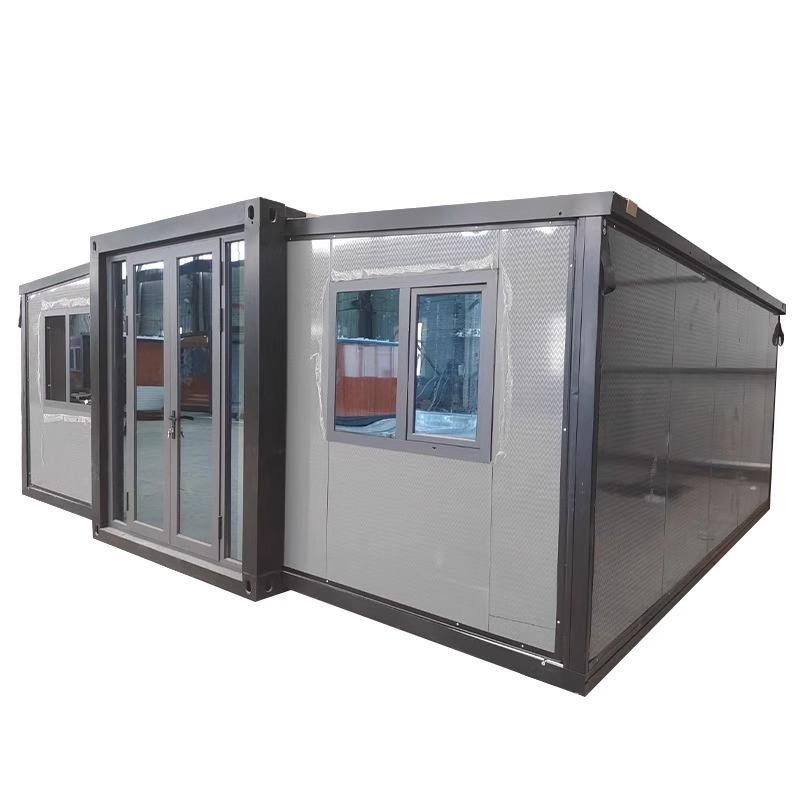
Flexible Mobility Solutions
The mobility of mobile toilets relies on the wheeled or lifting design of the chassis. Wheeled chassis are the mainstream solution, with standard models typically equipped with heavy-duty swivel or directional wheels, featuring wheel diameters ranging from 200-400mm and made of polyurethane or rubber. These materials combine shock absorption and load-bearing capabilities, with each wheel capable of bearing 300-500 kilograms, ensuring manual or slight movement on hardened surfaces, concrete floors, or flat grassy areas. Premium models may include towing hooks, enabling short-distance towing via small forklifts, tractors, or pickup trucks to enhance deployment efficiency.
Lifting and forklift interfaces cater to long-distance or cross-site transfer needs. Most products feature forklift slots (with opening dimensions of 140-200mm in height and width matching standard forklift tines) or lifting rings. For example, a 15-ton forklift can easily transport a standard mobile toilet measuring 1.2m×1.2m×2.3m. This design allows the equipment to quickly overcome obstacles and adapt to complex terrains.
Rapid Connection and Fixation Systems
The stability of mobile toilets is ensured through the chassis's leveling and fixation mechanisms. In the ground anchor and leveling system, adjustable anchor bolts are key components, typically offering a adjustment range of 50-100mm for horizontal calibration after positioning, ensuring the toilet is placed steadily. For outdoor temporary use scenarios, expansion bolts or screw piles (with lengths of 300-600mm) serve as auxiliary fixation methods. Screw piles are inserted into the ground by rotation, providing wind resistance and collision protection to prevent displacement due to external forces.
Additionally, chassis design must balance material strength and lightweight construction. Shock-absorbing materials in wheeled structures reduce transportation vibrations that could damage internal facilities, while standardized lifting interface designs ensure compatibility with universal handling equipment, reducing deployment costs. The detachability of the ground anchor system also facilitates equipment recovery and reuse, aligning with the environmental and economic requirements of temporary facilities.
In summary, the mobile toilet chassis achieves full-process optimization of "rapid mobility - precise positioning - stable use" through modular wheel sets, standardized handling interfaces, and adjustable fixation devices, providing reliable solutions for outdoor, emergency, and other scenarios.



