
Mobile Toilet Business Plan
The mobile toilet business plan should revolve around core modules such as project positioning, market analysis, business model, operational execution, financial financing, team management, and social benefits. Below is the specific framework and key points:
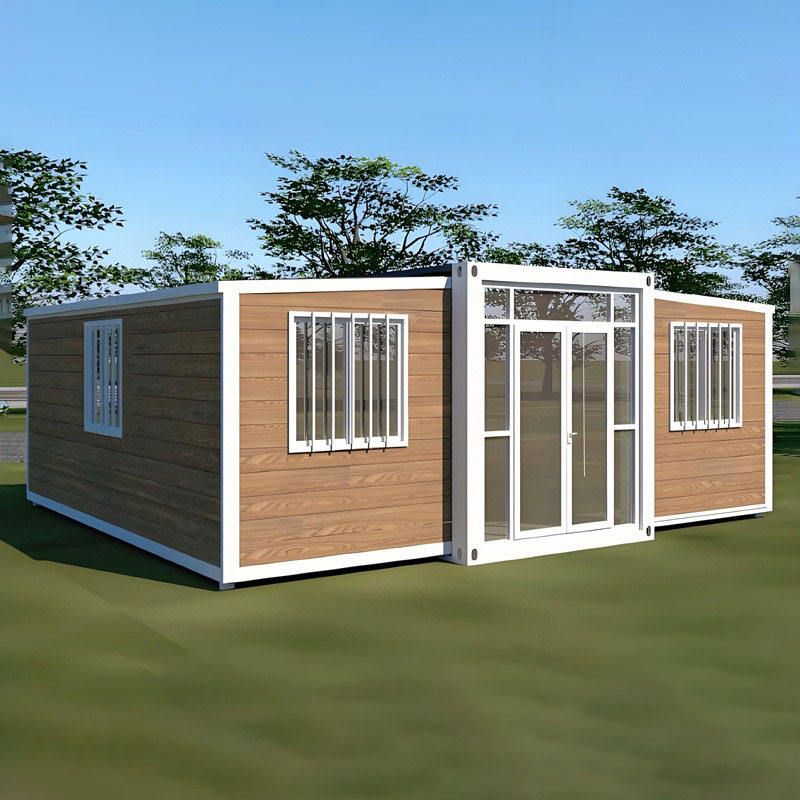
1. Project Overview Clearly define the project name and positioning, such as the 'Green Station - Intelligent Environmental Protection Mobile Public Toilet Network Construction Project,' positioning itself as a comprehensive service provider of environmental protection public health facilities. Set phased goals: complete demonstration site construction in the short term, achieve regional network layout in the medium term, and build a national brand service network in the long term. The product should integrate water-saving/waterless technologies (such as vacuum self-priming, microbial degradation), waste resource utilization (organic matter conversion), and green energy (solar photovoltaic) and other environmental protection technologies, highlighting intelligence and sustainability.
2. Market Analysis Demand drivers include the public facility gap caused by accelerated urbanization, difficulties in finding toilets during peak seasons in tourist attractions, temporary needs for large-scale events, and policy support (such as the 'Toilet Revolution'). In terms of market capacity, the annual demand growth rate of China's mobile public toilets and related operation and maintenance markets exceeds 15%, with a potential scale reaching billions of yuan, and the penetration rate of high-end environmental protection products continues to increase. In the competitive landscape, traditional simple toilets have pain points such as poor hygiene and high energy consumption, while high-end products are difficult to popularize due to high costs. The project needs to seize the blue ocean market through technological innovation (such as modular design, intelligent management systems) and model optimization (such as one-stop services).
3. Business Model The service scope covers urban public spaces, tourist attractions, large-scale events, and temporary gathering areas. The profit model is mainly based on one-stop services for planning, construction, and operation and maintenance, while exploring derivative values such as organic fertilizer sales and data services (such as pedestrian flow monitoring). Reference cases show that a certain project with a total investment of 221 million yuan achieved an annual operating income of 446 million yuan after reaching production capacity, with a net profit of 79.81 million yuan and an investment payback period of 4.27 years, verifying the commercial feasibility.
4. Operation and Execution Plan The technical solution adopts modular design, supports rapid deployment and combined transportation, and is equipped with an intelligent management system (remote monitoring, automatic cleaning). The production process needs to clarify resource supply, equipment procurement, quality inspection, and cost control strategies. Risk control should cover market risks (demand fluctuations), technological risks (technological iteration), and operational risks (maintenance costs), and formulate response plans.
5. Finance and Financing Clearly define capital requirements (such as equipment procurement, market expansion), capital increase methods (equity/debt), and uses. Financial forecasts should provide historical data, projected income, profits, and balance sheet analysis. Exit plans can be designed with paths such as equity repurchases and IPOs to protect investor rights.
6. Team and Management The core team should include the board of directors, management team, and external technical advisors, with a clear organizational structure defining the functions (such as R&D, operations, marketing) and business objectives of each department to ensure efficient collaboration.
7. Policy and Social Benefits Strictly comply with regulations on the treatment of 'three wastes' (waste gas, waste water, and solid waste) and work safety, respond to the call for smart city and ecological civilization construction, improve urban image and residents' quality of life, and achieve a win-win situation in environmental benefits and social value.



