
Mobile Toilet Bottom Structure Diagram
Mobile toilets generally do not have publicly available standard bottom structure diagrams, but the bottom structure typically employs a steel-welded frame, primarily using channel steel or I-beams, which offers stable support, moisture and corrosion resistance, and ease of installation and maintenance. Here is a detailed introduction to the bottom structure of mobile toilets:
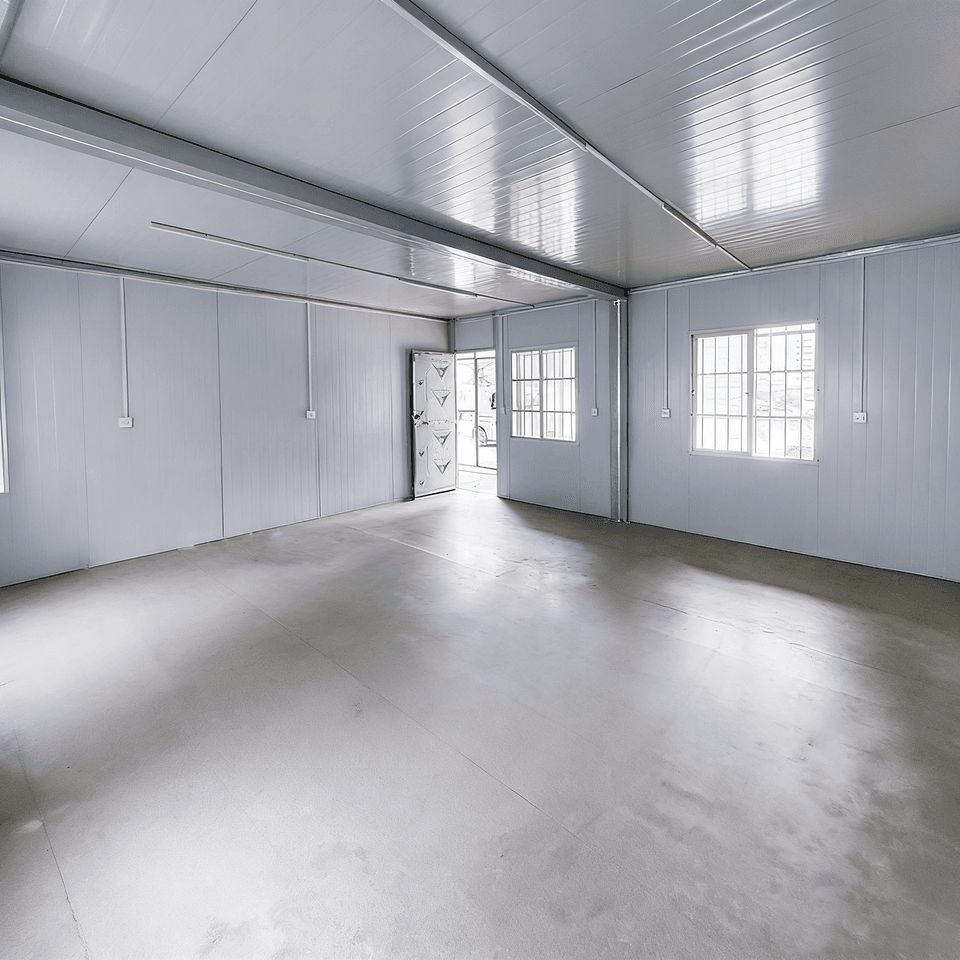
As a movable public sanitation facility, the design of the bottom structure of a mobile toilet is crucial, directly affecting the toilet's stability, durability, and safety during use. Although a specific structural diagram cannot be provided, a popular science introduction to the bottom structure can be made based on common mobile toilet designs.
The bottom frame of a mobile toilet is usually welded from steel, with channel steel or I-beams being the primary choices. Channel steel has good bending resistance and can withstand significant vertical loads, making it suitable for constructing the main supporting structure at the bottom. I-beams, with their cross-sectional shape resembling the letter 'I', have higher bending stiffness and strength, and are often used in areas that need to withstand large bending moments and shear forces, such as the crossbeams and longitudinal beams of the bottom frame.
In the design of the bottom frame, a grid-like or井-shaped (well-shaped) layout is usually adopted to enhance the overall stability of the structure. This layout effectively disperses loads, preventing structural damage caused by local stress concentration. At the same time, the bottom frame is firmly connected to the toilet floor and walls, forming an integrated whole, further improving the toilet's wind and earthquake resistance.
In addition to the supporting structure, the bottom of a mobile toilet also considers issues such as moisture resistance, corrosion resistance, and drainage. A moisture-proof layer is usually laid at the bottom, such as waterproof membranes or waterproof coatings, to prevent groundwater or rainwater from penetrating into the toilet interior, affecting the usage environment and equipment lifespan. Corrosion protection mainly targets the steel parts, extending the service life of the steel through methods such as spraying anti-corrosion paint or using galvanized steel. The drainage system is also an important component of the bottom structure, ensuring that sewage inside the toilet can be smoothly discharged and maintaining internal dryness and cleanliness through reasonable design of drainage slopes and drainage outlets.



