
Mobile Toilet and Bathroom Equipment
Mobile toilet and bathroom equipment typically includes core components such as fecal wastewater storage tanks (or disposal units), floor slabs, sanitary fixtures, walls, washing facilities, water tanks, roofs, and mobile units, with variations in equipment configuration depending on the type.
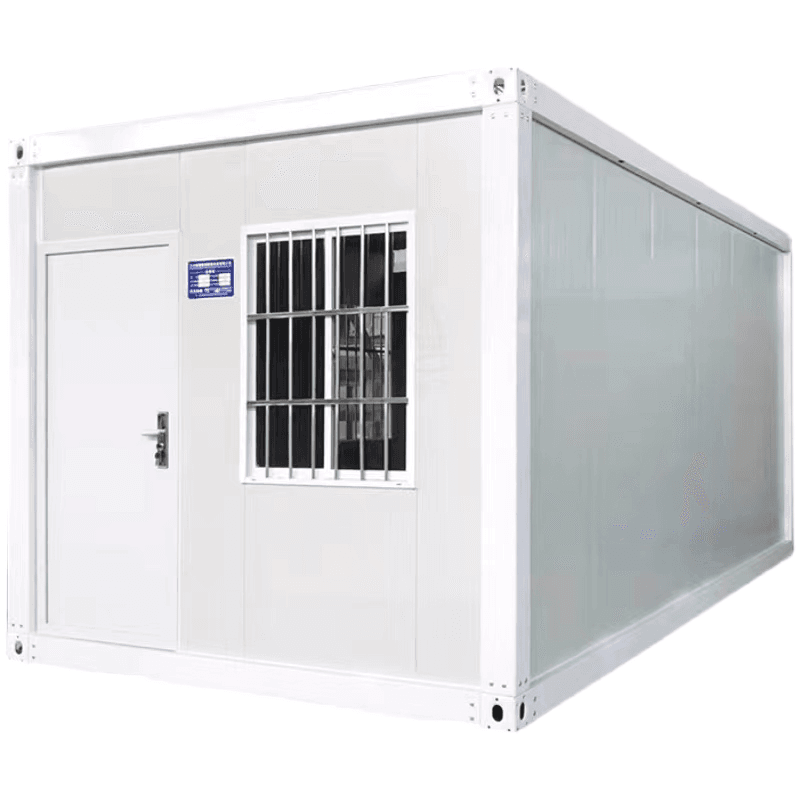
Conventional mobile toilets are characterized by comprehensive functionality and often adopt a modular design, with separate male and female areas. Their core equipment includes: lighting and ventilation sliding windows, which reduce odor accumulation through natural ventilation; gray aluminum alloy exterior doors, combining durability and aesthetics; signage systems, including male and female restroom signs and instructional signs; sanitary fixtures, such as squat toilets or sit toilets, some equipped with gravity flushing systems; water tanks, divided into clean water tanks and wastewater tanks, with the capacity of clean water tanks designed according to the usage scenario and wastewater tanks requiring regular cleaning; walls and roofs, often made of lightweight, high-strength materials (such as color-coated steel sheets or fiberglass-reinforced plastics) to ensure structural stability and ease of transportation; mobile units, such as bottom rollers or detachable brackets, supporting rapid deployment and relocation.
Lightweight plastic mobile toilets focus on portability and water-saving performance, with typical configurations including: signage boards, clearly indicating functional areas; ventilation designs, accelerating air circulation through top exhaust pipes or side vents; large-capacity clean water tanks, meeting the demand for multiple flushes; gravity-flush wastewater tanks with foot pumps, allowing users to complete flushing through foot pedal operation, reducing water waste; exhaust pipes, connecting wastewater tanks to the outside to reduce odor diffusion; lightweight materials, such as high-density polyethylene (HDPE) shells, reducing overall weight for easy manual handling.
In addition, customized mobile toilets may integrate more equipment. For example, in one case, a mobile restroom made using a water storage tank and a pallet includes, in addition to basic equipment: toilets, available in squat or sit styles; faucets and sinks, providing basic cleaning functions; toilet water tanks, independent of the main clean water tank, ensuring flushing stability; showers, meeting the need for simple showers. Such designs are typically tailored to specific scenarios (such as outdoor camping or temporary construction sites) and require equipment specifications to be adjusted according to usage frequency.
The selection of equipment for different types of mobile toilets requires comprehensive consideration of the usage scenario, personnel flow, and maintenance conditions. For example, conventional mobile toilets are suitable for high-traffic areas such as scenic spots to ensure durability and comprehensive functionality; while lightweight equipment is more suitable for field operations or emergency scenarios to reduce transportation and deployment costs.



