
Mobile Toilet Base
Mobile toilet bases come in different types, each with distinct characteristics, primarily divided into container-type mobile toilet bases and fiberglass-reinforced plastic (FRP) mobile toilet bases.
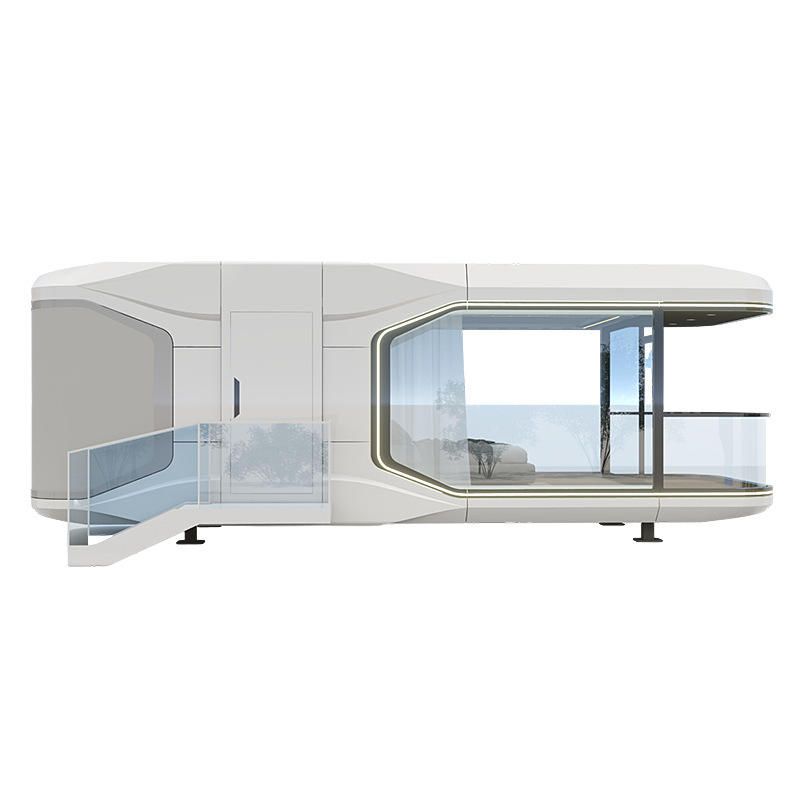
Container-Type Mobile Toilet Base: Its core material is 304 stainless steel, manufactured using an integrated molding process. This design endows the base with two significant advantages: Outstanding load-bearing capacity: By distributing pressure through an integrated structure, it can be directly installed without the need for an additional poured concrete foundation, significantly shortening the construction period; Strong resistance to relocation: The seamless design eliminates the risk of loosening associated with traditional spliced structures, maintaining structural stability during frequent lifting and transportation, and reducing maintenance costs. Additionally, the 304 stainless steel material itself has excellent corrosion resistance, enabling it to adapt to complex environments such as humidity and salt spray, thereby extending the service life of the equipment.
Fiberglass-Reinforced Plastic (FRP) Mobile Toilet Base: Made from epoxy resin and glass fibers as raw materials, it is formed into a colored reinforced FRP base through a mold-forming process. Its characteristics are reflected in three aspects: Superior surface performance: The smooth and flat surface is less likely to retain stains, and its non-rusting property eliminates the risk of corrosion associated with metal materials; Strong weather resistance: The composite structure of epoxy resin and glass fibers provides the base with excellent corrosion resistance, enabling it to withstand chemical corrosion from acids, alkalis, and salt spray, making it suitable for special scenarios such as chemical zones and coastal areas; High flexibility in handling: The overall weight of the base is relatively light, supporting various installation methods such as lifting, forklifting, and manual handling, making it particularly suitable for locations with complex terrain or those requiring frequent repositioning.
Both types of bases address the pain points of traditional toilet bases through material and process innovations: container-type bases focus on structural strength and installation efficiency, while FRP bases emphasize corrosion resistance and handling convenience. In practical applications, users can choose the appropriate type based on usage scenarios (such as the need for frequent relocation and the intensity of environmental corrosion) and budget requirements to achieve a balance between functionality and cost-effectiveness.



