
Mobile Toilet Base
Mobile toilets are suitable for places such as camping bases, offering advantages like mobility, modularity, and ease of transportation, enabling repeated use.
I. Typical Product Types and Structural Features
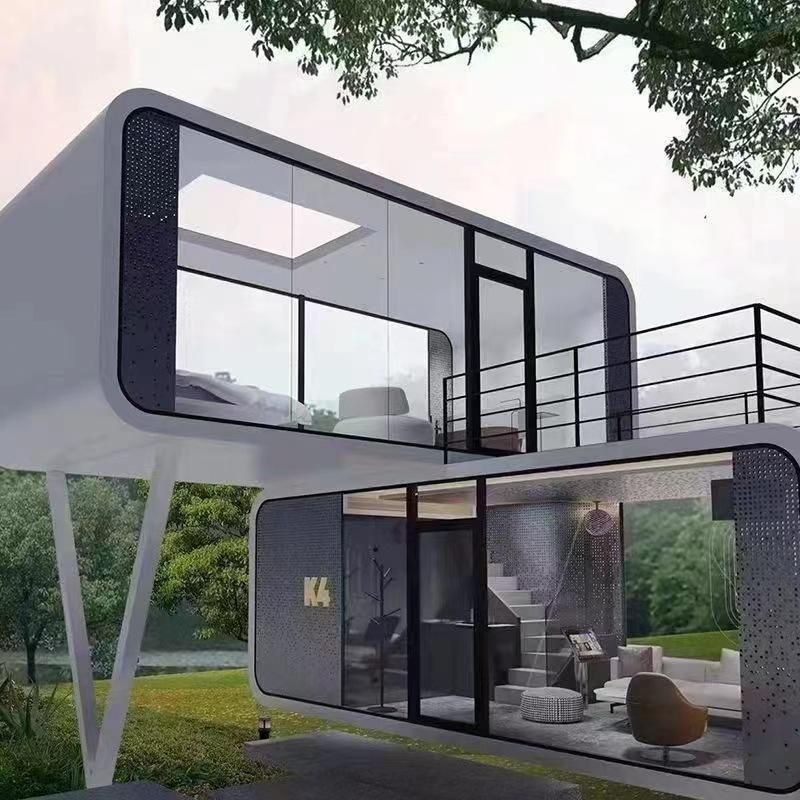
Taking products from Dezhou Hongtu Metal Products Co., Ltd. as an example, mobile toilets come in two main types: two-squat and six-squat models. The two-squat toilet features a gender-separated design, with exterior walls made of galvanized sheet metal, front walls equipped with arc-shaped translucent windows and stone wall lamps, a central public handwashing area, and a refined interior finish that balances practicality and aesthetics. The six-squat toilet, on the other hand, uses a galvanized steel frame structure with a design life of over 15 years. Its front wall is made of Great Wall panels with an arc-shaped design, providing stronger structural stability and suitability for high-traffic scenarios.
II. Core Components and Functions
Mobile toilets typically consist of the following components:
- Fecal treatment system: This includes fecal sewage storage tanks or disposal units. The former temporarily stores waste in sealed containers, while the latter may integrate functions like composting and decomposition to reduce odors and pollution.
- Structural frame: Made of galvanized steel sheets or frames, ensuring overall strength and corrosion resistance for outdoor environments.
- Sanitary facilities: These include squat toilets, handwashing basins, water tanks, etc. Some models are equipped with sensor-activated faucets or water-saving devices to enhance convenience.
- Ventilation and lighting: Designed with arc-shaped translucent windows or vents to optimize internal air circulation and natural lighting, reducing stuffiness.
- Mobility devices: Wheels or towing structures are installed at the bottom for easy transportation by vehicles and rapid deployment on-site.
III. Application Advantages and Scenarios
The core advantages of mobile toilets lie in their flexibility and environmental friendliness. Compared to traditional fixed toilets, they require no civil construction and can be quickly delivered and put into use, making them ideal for temporary events, remote areas, or camping bases with complex terrain. Additionally, their modular design supports the combination of different squat counts based on demand, such as assembling multiple two-squat toilets into a large sanitary facility to meet peak-time traffic needs. Their reusable nature also reduces long-term costs, aligning with sustainable development principles.
IV. Maintenance and Lifespan
Taking the six-squat toilet as an example, its galvanized steel frame structure gives it a lifespan of over 15 years. However, regular inspections of the anti-rust coating on metal parts are necessary, along with timely replacement of aged seals. The fecal storage tank should be cleaned regularly according to its capacity to prevent overflow or blockage. Daily cleaning should use neutral disinfectants to prevent corrosion of material surfaces.



