
Mobile Toilet Automation
The automation of mobile toilets is primarily reflected in multiple aspects such as cleaning, environmental regulation, and intelligent sensing, achieving an efficient, convenient, and hygienic user experience through technological means.
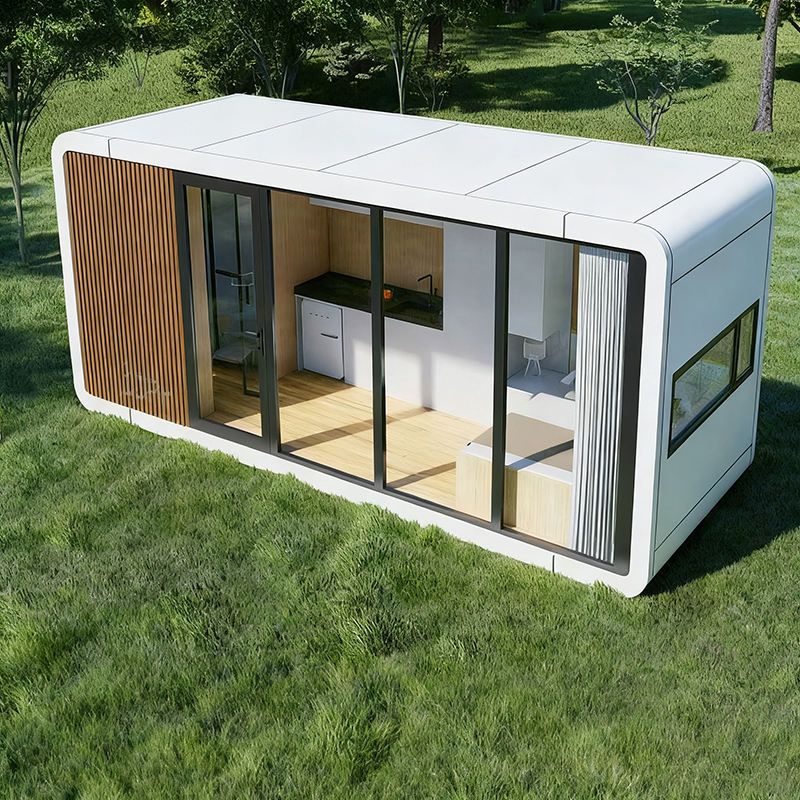
Cleaning automation is one of the core manifestations of mobile toilet automation. Take the fully automatic rotating public toilet invented in the Netherlands as an example. It features two toilet systems inside, enabling seamless rotation for use. When a user leaves, the entire cleaning process starts simultaneously: the floor is flushed across the entire area, flushing waste into an underground collection bin; at the same time, the toilet body rotates 180 degrees in place and enters a dedicated cleaning chamber. Inside the cleaning chamber, multi-directional nozzles provide comprehensive cleaning, high-pressure water jets perform deep flushing, and finally, a high-pressure air pump dries it, ensuring the interior of the toilet remains clean at all times. This automated cleaning process not only improves cleaning efficiency but also reduces manual intervention and lowers operational costs.
Environmental regulation automation is also an important feature of mobile toilets. Many intelligent mobile toilets are equipped with fresh air and exhaust systems that can continuously circulate air 24 hours a day, effectively removing odors and keeping the interior air fresh. In addition, some mobile toilets adopt intelligent temperature control technology, which can automatically adjust the internal temperature according to the ambient temperature, providing users with a comfortable toilet environment. These automated environmental regulation functions significantly enhance the user experience of mobile toilets.
Intelligent sensing technology further enhances the automation level of mobile toilets. For example, many mobile toilets use a fully automated sensing lighting system. When a user approaches, the lights automatically turn on; after leaving, the lights automatically turn off. This design not only facilitates users but also saves energy. In addition, some mobile toilets are equipped with automatic flushing systems, allowing users to complete the flushing process without manual operation, further improving convenience of use.
In summary, the automation of mobile toilets achieves an efficient, convenient, and hygienic user experience through the technological integration of cleaning, environmental regulation, and intelligent sensing, representing an important direction in the development of modern public sanitation facilities.



