
Mobile Toilet Attendant
Mobile toilet attendants have different job responsibilities, work contents, and requirements, mainly divided into three categories: operation and maintenance personnel, operators, and cleaning personnel.
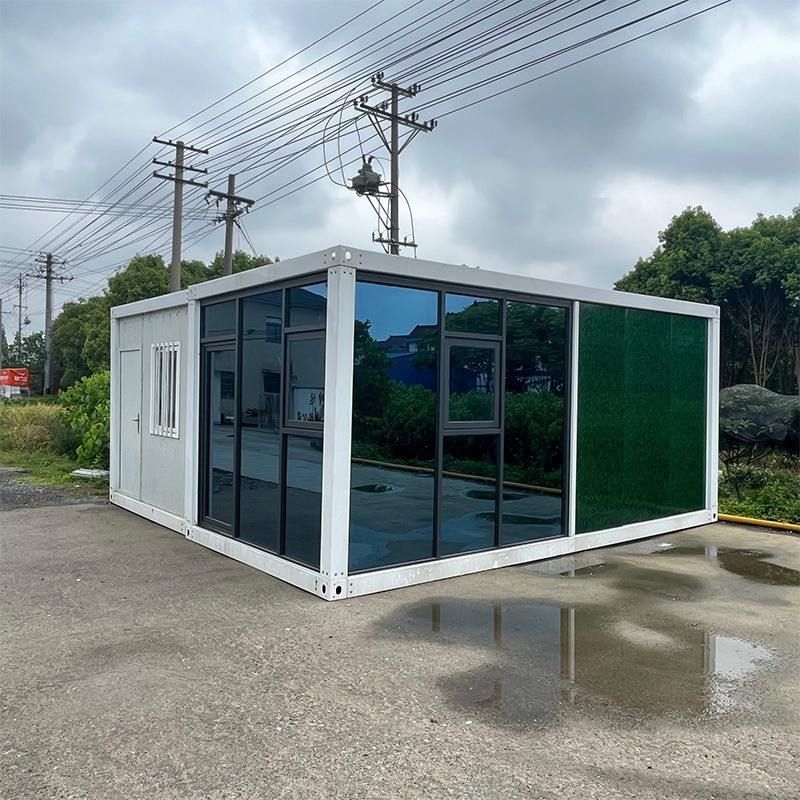
Operation and Maintenance Personnel: They need to follow standardized operating procedures and carry out cleaning, disinfection, waste removal, and protection work. When on duty, they must wear protective gloves, protective suits, and protective masks to avoid direct contact with waste and disinfectants. Before waste removal and pumping, they need to check the tightness of the container to ensure there are no leaks or damages, and that the sewage pipes are tightly connected to prevent waste from spilling. For cleaning operations, the use of strong acid and alkali corrosive agents is prohibited. For non-water packaging models, the remaining amount of the sealing film should be regularly checked, and for water flushing models, the water pressure and water pipe connections should be checked daily. Disinfection operations require the uniform spraying of odorless disinfectants to cover all corners, followed by ventilation to dissipate the odor. When handling equipment, it should be lifted and placed gently. When storing, it should be classified and organized properly and protected from rain and sun. A patrol inspection ledger should be established to record the waste removal time, disinfection frequency, and fault locations. Daily checks of door locks, ventilation, and lighting accessories should be conducted, and loose parts should be tightened or aging parts replaced in a timely manner. In winter, the accumulated water in the pipelines should be drained and insulation cotton should be added, while in summer, the frequency of disinfection should be increased. Personnel operations should avoid peak traffic times, and warning barriers should be placed.
Operators: Before starting work each day, they need to conduct an appearance inspection to check for any damage to the wall panels, roof, doors, and windows. Internal facility inspections include lighting equipment, ventilation systems, flushing systems, sinks, mirrors, and toilet paper holders, etc., with timely replacement of light bulbs, repair of circuits, or unclogging of pipes. In terms of cleaning and maintenance, the floor should be swept daily, and stubborn stains should be treated with specialized cleaning agents; the toilet should be cleaned promptly after each use, with the interior brushed; the sink should be cleaned daily, with hair and debris in the drain cleared; mirrors and other facilities should be wiped regularly to keep them clear and bright.
Cleaning Personnel: Taking the opening ceremony in Qinhuai, Nanjing as an example, sufficient personnel need to be allocated according to the foot traffic, usually with one cleaner assigned for every 2-3 mobile toilets. The cleaning process includes at least one daily patrol inspection per hour to promptly clean up garbage, wipe surface stains, and replenish toilet paper and hand soap, etc. During peak traffic times, the frequency of patrol inspections should be increased to ensure that there are no obvious stains or odors inside or outside the mobile toilets, the floor is dry and clean, and the facilities are intact. Sufficient consumables should be prepared in advance, and the replenishment cycle should be reasonably planned according to the duration and scale of the event. Backup mobile toilets should be provided to meet unexpected needs, and quick responses should be made to repair blockages and other issues.



