
How to Assemble a Mobile Toilet
The assembly of a mobile toilet should be carried out according to the type and scenario, following standardized steps to ensure safety and functionality.
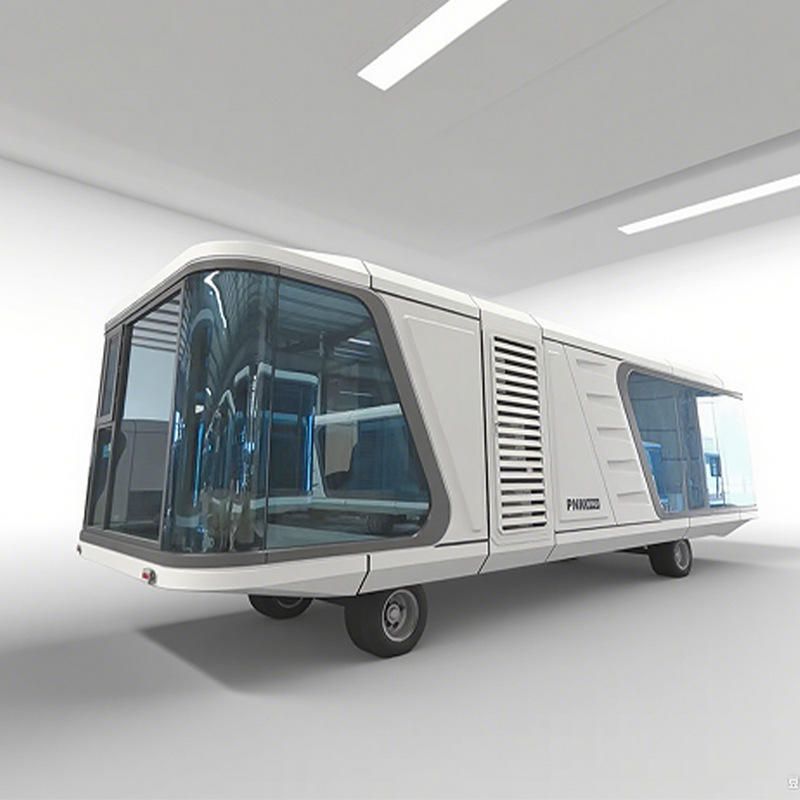
Basic Preparation Before assembly, determine the installation location, prioritizing flat and solid ground areas, avoiding soft soil or slopes. After clearing the ground of debris, lay the foundation according to the toilet type: ordinary mobile toilets can be placed directly on a gravel layer; for long-term use or heavy-duty equipment, it is recommended to pour a concrete foundation with a thickness of usually 10-15 centimeters to ensure stability.
Material Verification Upon receiving the equipment, check the integrity of the toilet body to ensure there are no dents, cracks, or deformations. Verify the配件清单 (accessory list), including door locks, flush valves, sewage pipes, sealing tapes, etc. If any damage or missing items are found, contact the supplier immediately for replacement to avoid rework later.
Positioning the Toilet Body Use a forklift or crane to lift the toilet body smoothly to the designated location, maintaining levelness during operation to avoid uneven structural stress due to tilting. If multiple people are involved, coordinate command signals to prevent collisions or tipping over.
Assembly and Fixation (Applicable to Some Types) For modular mobile toilets, install the inner corner pieces sequentially, insert the panels into the slots, and align them. Use a drill to make holes at the connections (the hole diameter should match the rivets), insert the rivets, and secure them with a rivet gun to ensure no gaps at the joints.
Drainage Connection Connect the sewage pipe to the construction site drainage system or temporary collection pit, wrapping sealing tape or applying cement at the interface to prevent leakage. It is recommended to install an anti-backflow valve to avoid sewage backflow. For independent toilets, reserve a maintenance port for later upkeep.
System Debugging After connecting the water supply, test the flushing function, observing whether the water flow is smooth and the drainage is unobstructed. Check for water leaks at the pipe connections; if water accumulation is found, adjust the slope of the sewage pipe or reseal it.
Internal and External Inspection Internally, confirm that facilities such as sinks and hooks are securely installed and that door locks open and close smoothly; externally, check the toilet body's sealing, focusing on whether there are air leaks or water seepage at the joints. If it is a temporary facility on a construction site, also set up safety signs around it, keeping it away from the main construction road and pollution sources.
Final Touches After confirming there are no issues, test the water in the toilet and apply sealant for fixation (this step is required for some household mobile toilets) to enhance sealing. Clear debris from the site to ensure unobstructed access.



