
Mobile Toilet Anticorrosion Knowledge
The anticorrosion knowledge of mobile toilets mainly includes six aspects: material selection and treatment, surface treatment, structural design and optimization, sewage system treatment, daily maintenance, and environmental adaptability.
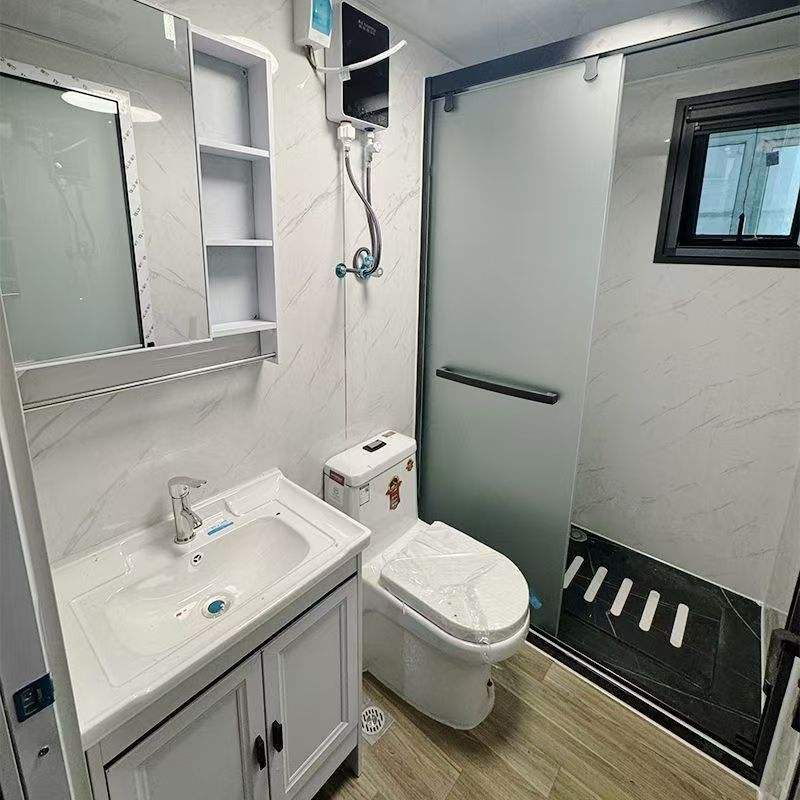
Material Selection and Treatment: Anticorrosive wooden mobile toilets typically use specially treated anticorrosive wood, such as wood impregnated with preservatives (e.g., ACQ or CCA) through vacuum pressure or subjected to high-temperature heat treatment to enhance its corrosion resistance. For flush-type mobile toilets, the main structure can be made of high-quality stainless steel, while components that come into contact with water and waste can be made of corrosion-resistant engineering plastics or copper alloys, which effectively resist the erosion of corrosive media.
Surface Treatment: Stainless steel structures can undergo passivation treatment to form a dense oxide film, enhancing their corrosion resistance. The surface of mobile toilets can be coated with anticorrosive paint to isolate air, water, and chemicals, further protecting the toilet structure from corrosion.
Structural Design and Optimization: The framework of anticorrosive wooden mobile toilets is often welded using galvanized square tubes or section steel to improve overall stability. The walls and floor panels are assembled using anticorrosive wood and treated with waterproofing and moisture-proofing to prevent water penetration and corrosion. Flush-type mobile toilets require a reasonable drainage slope to ensure rapid sewage discharge and reduce the corrosion of components caused by standing water.
Sewage System Treatment: Adding corrosion inhibitors to the drainage pipes reduces the corrosive effect of sewage on the pipes. Corrosion inhibitors form a protective film on the pipe surface, preventing corrosive media from coming into contact with the pipes and extending their service life.
Daily Maintenance: Regularly inspect wooden surfaces for cracks or mildew and promptly clean drainage pipes to avoid blockages from debris. For toilets installed outdoors, regularly check the paint or protective layer of the anticorrosive wood for integrity and promptly repair any damaged parts. Flush-type mobile toilets require regular internal flushing to remove dirt and bacteria, preventing dirt accumulation and corrosion.
Environmental Adaptability: Take targeted protective measures based on the characteristics of the usage environment, such as acidity, alkalinity, and humidity. For example, in highly acidic environments, increase acid resistance by selecting acid-resistant materials or applying acid-resistant coatings; in high-humidity environments, strengthen moisture-proofing to prevent water penetration and corrosion.



