
Mobile Toilet and Shower
The combination of mobile toilets and showers comes in various forms, with common designs including integrated structures, modular assemblies, and scenario-specific adaptations, meeting the toilet and cleaning needs in different environments.
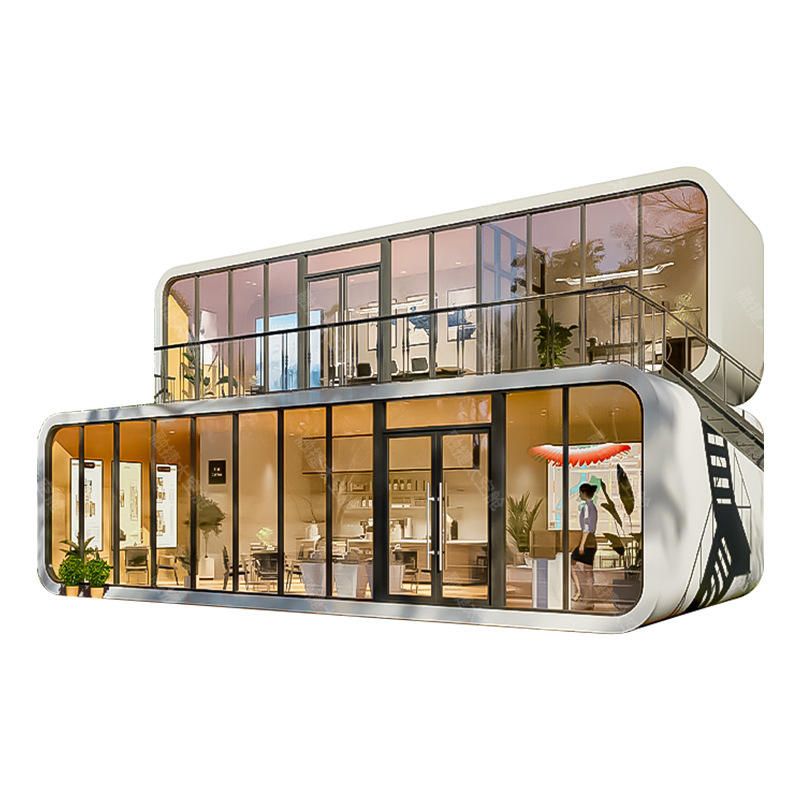
Integrated Design: Efficient Space Utilization
The integrated design of mobile toilets and showers maximizes space utilization by combining functional areas. For example, a 1.5m x 3m double-unit structure directly connects the toilet and shower room, with internal configurations that can include squat toilets, sit toilets, or independent shower stalls based on demand. Such designs typically employ lightweight steel frames with outer layers covered in metal carved panels or eco-friendly composite materials, ensuring structural strength while enhancing aesthetics. The floors are lined with waterproof and anti-slip flooring to prevent water leakage and reduce the risk of slipping. Some high-end models are also equipped with intelligent control systems for adjusting water temperature, lighting, and ventilation, enhancing user comfort.
Modular Assembly: Flexible Adaptation to Scenarios
For different usage scenarios, mobile toilets and showers can be flexibly combined through modular design. For instance, outdoor scenic spots often adopt eco-friendly public toilets that integrate fecal tanks with shower rooms, enabling functional expansion through independent modules. Trailer-mounted mobile restrooms integrate shower rooms and toilets onto a towable chassis, facilitating easy transportation and rapid deployment. These designs typically feature standardized interfaces that support multi-module assembly, forming larger-scale sanitation facility clusters suitable for temporary needs such as large-scale events and post-disaster relief. The modular structure also facilitates later maintenance, allowing quick replacement of individual modules in case of damage, reducing operational costs.
Scenario-Specific Adaptation: Specialized Functional Optimization
For special environmental requirements, the combined design of mobile toilets and showers is further refined. For example, construction sites commonly use dust-proof mobile toilets equipped with high-pressure shower heads and waterproof sealed doors to meet workers' cleaning needs; desert or cold regions adopt insulated designs with double-layer walls and electric heating systems to ensure stable shower water temperatures. Additionally, some products integrate sewage treatment systems that separate shower wastewater from toilet waste for resource recycling, meeting environmental requirements.
The combination of mobile toilets and showers meets diverse sanitation needs within limited spaces through structural innovation and functional integration, becoming an important solution for sanitation保障 (guarantee, here it means support/provision) in outdoor operations, temporary events, and public areas.



