
Mobile Toilet and Kiosk Environmental Impact Assessment
When conducting an environmental impact assessment (EIA) for mobile toilet and kiosk projects, it is essential to focus on key aspects such as project overview, EIA preparation, and approval.
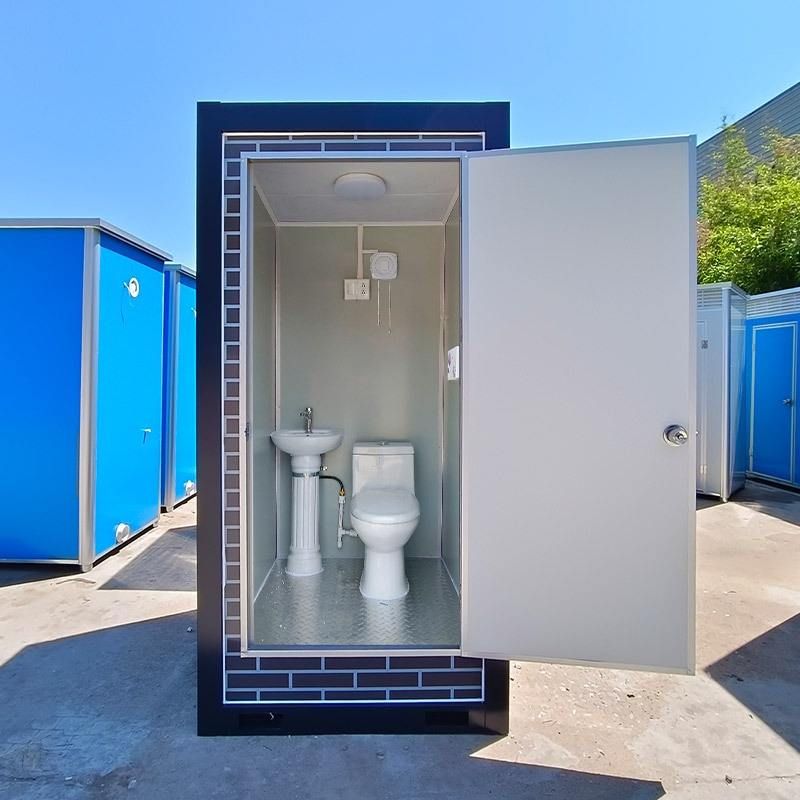
Project Overview: Different projects vary in terms of investment scale, leased factory area, and production capacity. For example, the project by Chengdu Fangda Yuancheng Environmental Protection Technology Co., Ltd. involves an investment of 4 million yuan and utilizes existing factory space at No. 588 Tongwang Road, Qingbaijiang Industrial Zone, Chengdu, leased from Sichuan Yibang Construction Engineering Machinery Co., Ltd., with a building area of approximately 800 square meters. The designed production capacity includes 300 sets of eco-friendly mobile toilets, 200 sets of various kiosks, 400 sets of eco-friendly garbage rooms, and 300 containers annually, with actual production capacity matching the design. In contrast, the project by Chuzhou Junxuan Environmental Protection Technology Co., Ltd. has a total investment of 5 million yuan and leases 500 square meters within the existing factory of Jianfeng Technology at No. 6 Huangshan North Road, Chuzhou, producing 200 sets of mobile toilets, 50 sets of kiosks, 20 sets of portable board houses, and 30 sets of garbage rooms annually. It is evident that project scale and product variety influence the focus and complexity of the EIA. Larger projects with more diverse products require consideration of more factors, such as the types and quantities of pollutants emitted during production and resource consumption.
EIA Preparation and Approval: The EIA report must be prepared by a professional environmental protection technology development company. For instance, the EIA report for the Chengdu Fangda Yuancheng project was prepared by Sichuan Qingyuan Environmental Protection Technology Development Co., Ltd. After preparation, it must be submitted to the relevant environmental protection bureau for approval. The approval authority for the Chengdu Fangda Yuancheng project is the Qingbaijiang District Environmental Protection Bureau of Chengdu. The EIA report should elaborate in detail on the project's environmental impact, including the emission of pollutants such as wastewater, exhaust gases, noise, and solid waste during both the construction and operational phases, as well as the pollution prevention and ecological protection measures adopted to ensure that the project's impact on the environment remains within acceptable limits during construction and operation.



