
Mobile Smart Screen Restroom
The mobile smart screen restroom is a modern public sanitation facility that integrates information interaction and intelligent management functions, with its core being the realization of toilet stall status display, environmental monitoring, and remote maintenance alerts through a mobile smart screen.
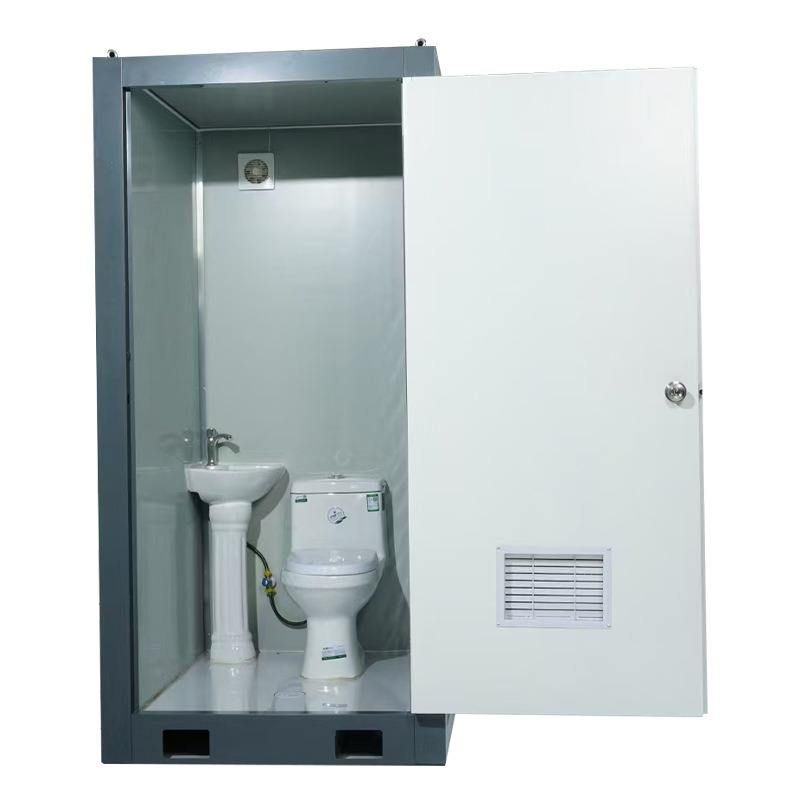
The design of the mobile smart screen restroom aims to enhance usage efficiency and management convenience, relying on two core modules for its functionality: an information interaction interface for users and a remote management platform for maintenance staff. The former typically uses a physical display screen to show real-time toilet stall occupancy status (such as vacant, in use, or under maintenance), helping users quickly locate available stalls and reducing waiting times. The latter connects sensors to a backend system via IoT technology, automatically sending alerts to the maintenance side when equipment malfunctions (such as flushing system failures or lighting damage) or when consumables are low (such as toilet paper or hand soap), ensuring timely repairs and restocking.
As part of a smart public restroom system, the mobile smart screen restroom extends its functionality to environmental monitoring. Using temperature and humidity sensors, air quality detectors, and other devices, the system can collect real-time data on temperature, humidity, ammonia concentration, and other metrics inside the restroom, displaying the environmental status on the smart screen. If any indicator exceeds standards (such as excessively high ammonia concentration), the system triggers automatic ventilation equipment operation or sends cleaning alerts to the maintenance side, maintaining restroom comfort and safety.
From a technical perspective, the "mobility" of the mobile smart screen restroom may manifest in two ways: first, the smart screen itself may have movable features (such as an adjustable-angle bracket) for convenient information display in different scenarios; second, through cloud-based data synchronization, managers can remotely view restroom operational status via mobile phones or computers, enabling centralized management across regions and multiple restrooms. This design not only elevates the intelligence level of public sanitation facilities but also optimizes resource allocation and user experience through efficient information transmission and processing.



