
Volver al blog
Artículo
Mobile Row Toilet Configuration
Admin 27 de septiembre de 2026
The configuration of mobile row toilets is designed around the needs of hygiene, convenience, and durability, as detailed below:
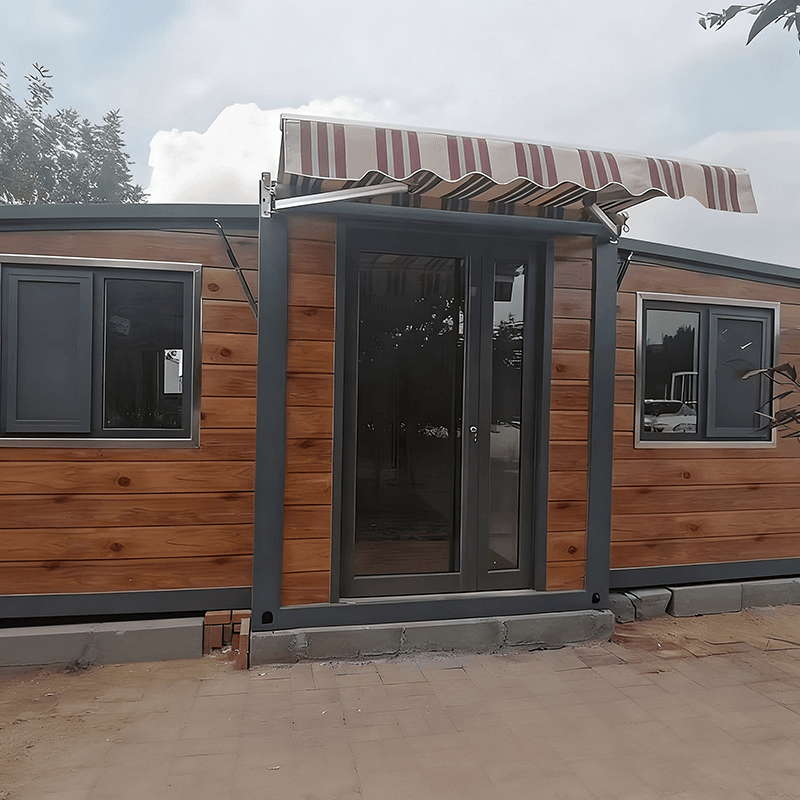
1. Core sanitary fixtures
- Toilets: Primarily ceramic squat toilets or sit-down toilets, with high-end products using stainless steel materials. They are equipped with foot-operated or sensor-operated flush valves, with water tank capacities ranging from 5 to 10 liters, balancing water conservation and cleaning efficiency.
- Handwashing systems: Include ceramic or stainless steel hand basins (width 30-40 cm), push-button or sensor-operated faucets, and water storage tanks. Some products are equipped with warm water supply functions.
- Accessories: Standard equipment includes mirrors, coat hooks, storage shelves, toilet paper holders, and trash cans. High-specification products add child safety seats, toilet seat covers, or hand dryers to enhance convenience.
2. Environmental control systems
- Ventilation: Standard with 20-50 watt powerful exhaust fans, achieving air exchange rates of 10-15 times per hour. Dual exhaust designs quickly eliminate odors; some products are equipped with activated carbon filtration units for further air purification.
- Lighting: Uses 5-15 watt LED energy-saving lights, offering long lifespans and sufficient brightness. Emergency lights maintain basic illumination during power outages, ensuring safety.
- Temperature control: In cold regions, insulation materials (such as polyurethane foam) or electric heaters are installed, with additional warm air blowers for extreme cold. In hot regions, ventilation skylights or small air conditioners regulate internal temperatures, enhancing comfort.
3. Water supply, drainage, and power systems
- Water supply: Divided into self-contained tank types (freshwater tank capacities of 100-300 liters) and external water source types (connected to municipal water pipes), adapting to scenarios without fixed water sources.
- Sewage disposal: Traditional methods use bottom sewage tanks (capacities of 200-500 liters), requiring regular pumping; eco-friendly types adopt foam sealing technology (reducing water usage) or microbial degradation technology (no sewage discharge), lowering maintenance costs.
- Power: Supports 220V mains power access or is powered by built-in batteries (such as 12V/100Ah) and solar panels, meeting usage needs in remote areas.
4. Structural and safety designs
- Door locks and indicators: Equipped with safety door locks inside and 'Occupied/Vacant' indicator locks or LED displays outside to prevent awkward mis-pushing.
- Materials and floors: Wall panels use high-density polyethylene (HDPE), fiberglass, or color-coated steel plates, offering corrosion resistance and easy cleaning; floors are non-slip or fiberglass grating to prevent water accumulation and slipping.
- Accessibility features: For special populations, internal space is expanded to over 1.5 meters, equipped with handrails, wheelchair turning spaces, and low-height hand basins (height ≤ 80 cm), complying with accessibility design standards.
5. Other features
- Durability: Metal embossed panel materials (thickness 8 cm) offer thermal insulation, impact resistance, and a service life of up to 20 years.
- Customization: External dimensions and access port sizes can be adjusted according to site requirements, such as customizing antique appearances for scenic spots or shortening assembly times for event sites.
- Energy-saving design: Some products use water-saving toilets (single flush volumes ≤ 3 liters) and solar power systems to reduce operating costs.
Purchase recommendations: Refer to the 'GB/T 26963-2011 Mobile Toilets' standard, focusing on airtightness (preventing odor leakage), odor control performance (such as U-shaped trap designs), and the durability of core components (such as flush valves and exhaust fans).
Relacionados



