
Mobile Public Toilet
Mobile public toilets are facilities that can be moved as a whole and provide toilet services to the public. They have the advantages of mobility, modularity, and ease of transportation.
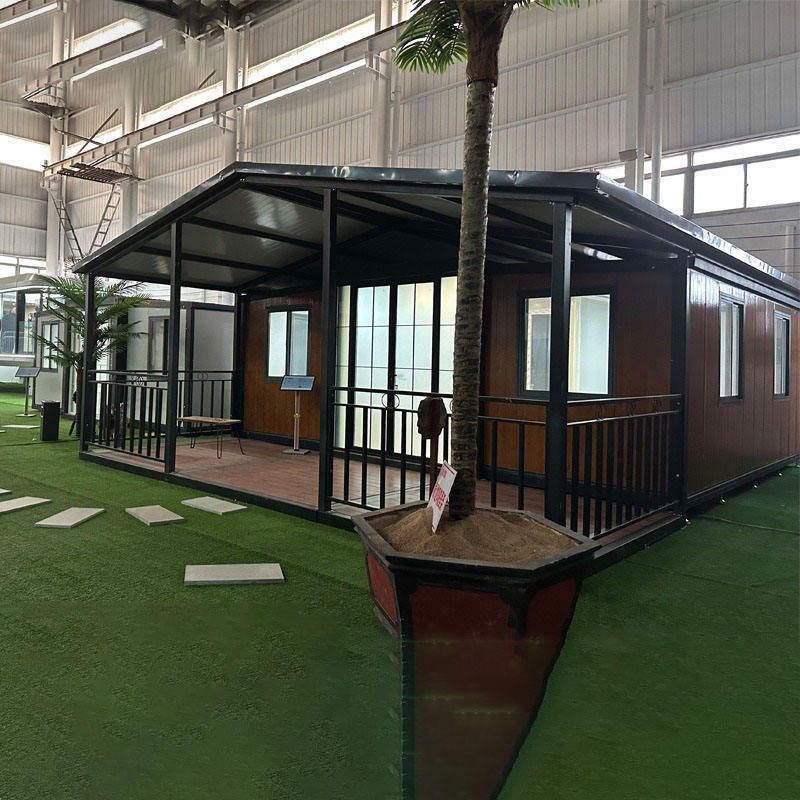
Composition Structure
Mobile public toilets are generally composed of fecal sewage storage tanks (or fecal sewage treatment devices), floor slabs, sanitary ware, walls, washing equipment, water tanks, roofs, and mobile devices. Mobile public toilets with different configurations may vary in terms of internal facilities. For example, some well-equipped ones, such as compact and intelligent eco-friendly mobile public toilets, have fecal collection systems, hand-washing basins, smart magic mirrors, and breathing lights inside. There are also 6-squat-position independent single-room toilets, which have a galvanized steel frame structure with waterproof asphalt shingles on top. Inside the toilet, there are squat toilets, hand-washing basins, exhaust fans, and ceiling lights.
Type Classification
- By structural form: They can be divided into single-structure mobile toilets and composite-structure mobile toilets. Single-structure ones are relatively independent and simple, while composite-structure ones may be composed of multiple parts and may have more complex and diverse functions.
- By moving method: They are classified into lifting and handling mobile toilets and powered and towed mobile toilets. Lifting and handling mobile toilets mainly rely on external lifting equipment or manual handling for movement; powered and towed mobile toilets have their own power or can be moved by vehicle towing.
- By sewage treatment method: They are divided into water-flush and waterless-flush suction mobile toilets, circulating water-flush mobile toilets, and dry-packing mobile toilets. Water-flush types use water to flush feces, waterless-flush suction types handle feces through suction, circulating water-flush types can recycle flushing water, and dry-packing types package feces in a dry form.
Applicable Places
They are suitable for stations, docks, tourist attractions, villa areas, newly built residential areas, large construction sites, squares, densely populated public places, and bustling commercial streets. These places have a large flow of people, and the demand for toilet facilities is temporary or periodic. Mobile public toilets can well meet these needs.
Design Principles
The design should follow the principles of mobility and convenience, economic durability; environmental protection and eco-friendliness, beneficial to the environment; improving efficiency and promoting humanitarianism to ensure that they can better serve the public.



