
Mobile Public Toilet Technology
The technology of mobile public toilets covers several key aspects, including materials, structure, manufacturing, and design principles.
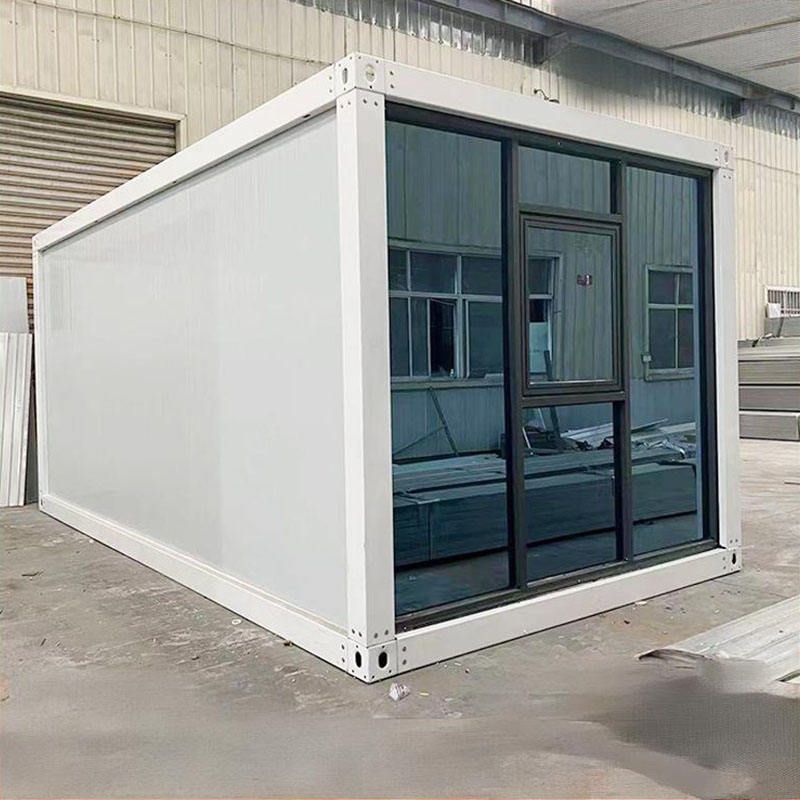
Material Selection: Early mobile toilets often used traditional materials like wood. With technological advancements, they have gradually shifted to new materials such as fiberglass-reinforced plastic and polyethylene. These materials are lightweight, durable, and corrosion-resistant, effectively enhancing the lifespan and adaptability of the toilets to meet usage demands in various environments.
Structural Composition: Mobile toilets typically consist of core components such as fecal sewage storage tanks (or disposal units), floor slabs, sanitary fixtures, walls, washing facilities, water tanks, roofs, and mobility devices. These components work together to ensure the basic functions of the toilet, such as storing waste, providing clean water, and ensuring safety during use.
Structural Forms:
- By structural form: They are divided into single-unit and composite structures. Single-unit structures are highly independent and suitable for single scenarios; composite structures, through modular design, enable functional expansion and flexible combination.
- By mobility method: They include lifting and handling types, powered and towed types, etc. Lifting types rely on lifting equipment, handling types require manual or mechanical assistance, powered types are equipped with engines for autonomous movement, and towed types can be quickly transported by connecting to vehicles.
- By sewage treatment method: They are classified into water-flush and waterless suction types, recirculating water-flush types, and dry-packing types. Water-flush types rely on water for flushing, waterless types use suction equipment to clean waste, recirculating water-flush types achieve water reuse through filtration and purification, and dry-packing types seal and package waste for subsequent treatment.
Manufacturing Process Examples:
- Water storage tank modification: By cutting and assembling water storage tanks and installing components such as universal wheels, toilets, and water tanks, a simple mobile toilet can be constructed. During modification, attention should be paid to sealing to prevent sewage leakage, while optimizing spatial layout to enhance user comfort.
- Water storage tank and pallet modification: By combining water storage tanks with pallets and following steps such as cutting, fixing, and installation, a mobile restroom with functions like toilets, sinks, and showers can be formed. During modification, it is essential to ensure structural stability and safe and reliable water and electricity connections.
Design Principles: The design of mobile toilets should adhere to principles such as mobility, cost-effectiveness, durability, environmental protection, ecological friendliness, environmental benefit, efficiency enhancement, and humanitarian promotion. The overall structure should be lightweight and durable, with material selection focusing on balancing environmental protection and cost. Size design should consider transportation and usage scenario limitations, and mobility devices should be complete and reasonable to ensure rapid deployment and flexible adjustment of the toilets.



