
Volver al blog
Artículo
Mobile Public Toilet Styles
Admin 09 de octubre de 2026
Mobile public toilets come in a variety of styles, which can be mainly classified into the following categories:
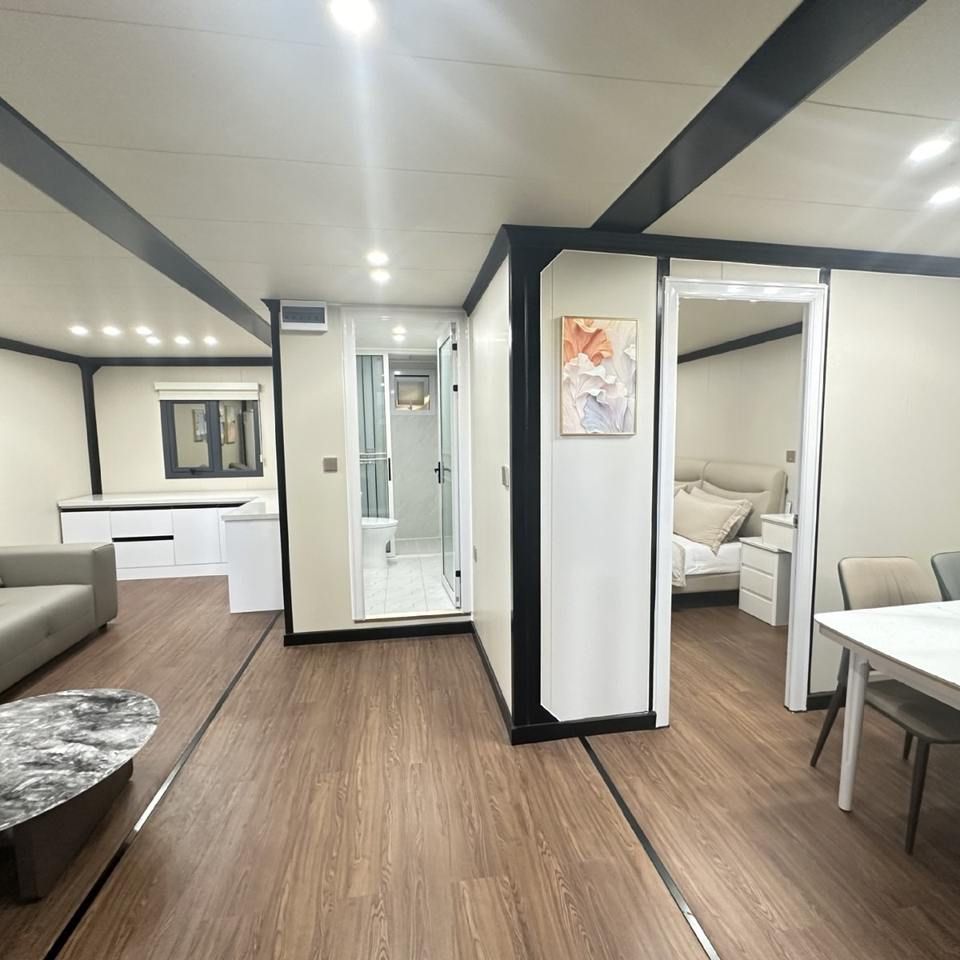
I. Classification by structural form
- Single-unit mobile toilets: These exist as independent units, typically small in size and compact in structure. They are suitable for scenarios with limited space or temporary needs, such as small event venues and temporary construction areas. Their advantages include easy installation, rapid deployment, and low maintenance costs.
- Composite-structure mobile toilets: Composed of multiple functional modules, they can include multiple toilet compartments, management rooms, or barrier-free facilities. They are suitable for public places with high foot traffic, such as scenic spots and transportation hubs. Their design is highly flexible, allowing for the expansion of functional areas as needed, such as adding sinks and baby care rooms.
II. Classification by mobility method
- Lifting and handling mobile toilets: These rely on lifting equipment or manual handling for position adjustment. They are suitable for short-term use or scenarios requiring frequent relocation, such as exhibitions and temporary markets. Their structures are usually lightweight, but their mobility efficiency is limited by external equipment.
- Powered and towed mobile toilets: Equipped with power systems (such as engines) or towable designs, they can be moved to target locations by vehicle traction or self-propulsion. They are suitable for scenarios requiring long-distance transportation or rapid response, such as disaster relief and large-scale outdoor events. They offer high mobility flexibility but come at a relatively higher cost.
III. Classification by sewage treatment method
- Water-flush and waterless suction mobile toilets: Water-flush types use water from tanks for flushing and are suitable for places with water sources. Waterless suction types use vacuum suction or dry collection technology to treat waste and are suitable for water-scarce or environmentally sensitive areas, such as deserts and ecological reserves.
- Recirculating water-flush mobile toilets: These use biodegradation or physical filtration technology to recycle sewage, reducing water consumption. They are suitable for long-term fixed use scenarios requiring water conservation, such as parks and streets.
IV. Other featured styles
- Economical and practical models: These feature a gray and white metal carved panel exterior, with 8 independent squatting positions, separate entrances for men's and women's toilets, sliding windows, and stone wall lamps. They balance ventilation and lighting and are suitable for cost-sensitive projects.
- Special-shaped models: For example, brick-patterned flat-roof mobile toilets, which adopt galvanized steel frame structures and orange brick-patterned exterior panels. Their front walls have unique designs, combining aesthetics and practicality. They are suitable for scenarios requiring integration with the surrounding environment, such as historical and cultural districts and theme parks.
Relacionados



