
Volver al blog
Artículo
Mobile Public Toilet Location Selection
Admin 09 de octubre de 2026
The selection of locations for mobile public toilets requires a comprehensive consideration of usage demands, environmental conditions, and urban planning. Specifically, the following principles should be followed:
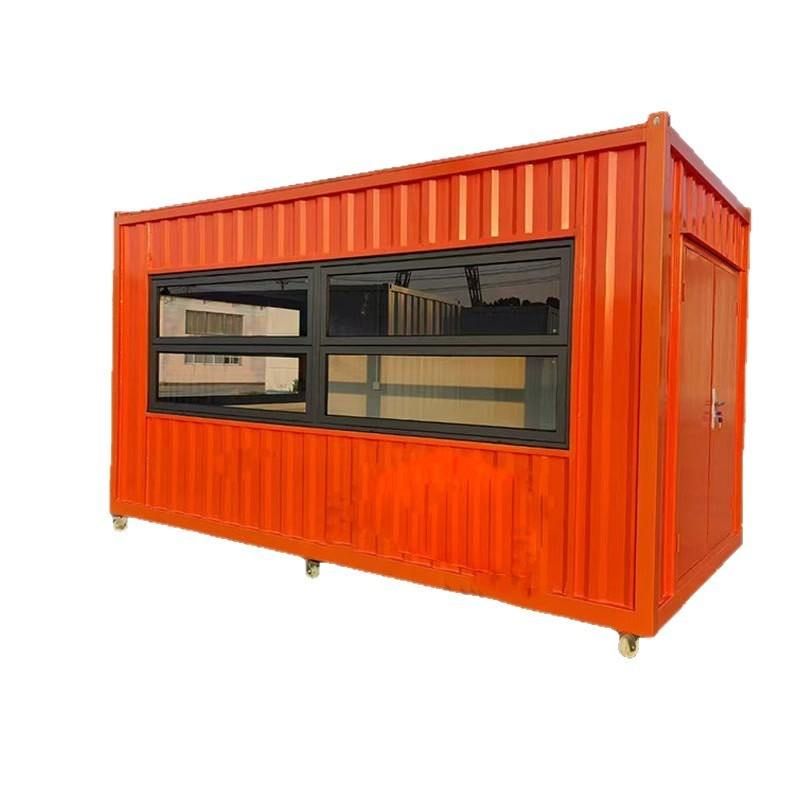
I. Priority Coverage of Key Areas
- Around Large Event Venues: Music festivals, sports events, exhibitions, and other venues with high foot traffic require the installation of one toilet per 500 people. The locations should be close to the audience seating or high-traffic walkways for quick and easy access.
- Urban Construction Sites: Areas undergoing renovation of old residential communities or road works should have toilets installed within 50 meters outside the construction barriers, with clear signage to prevent the original public toilets from becoming unusable due to construction.
- Emergency Supplement in Residential Areas: During the renovation of old residential communities or temporary power and water outages, larger-capacity models should be installed near community squares or main entrances and exits for residents. Daily arrangements should be made for专人 (designated personnel) to clear the sewage, ensuring basic living needs are met.
II. Rational Layout at Transportation Hubs
- Around Railway and Bus Stations: Based on passenger flow, one to two toilets should be installed near exits and parking lots. During peak hours, additional personnel should be assigned for management to prevent congestion or sanitation issues.
- Supporting Facilities at Scenic Spots: One toilet should be installed per 1,000 square meters. The locations should be concealed and in line with the overall style of the scenic spot, while also reserving wheelchair ramps and barrier-free facilities to balance aesthetics and practicality.
III. Environmental Adaptability Requirements
- Avoid Low-Lying and Flood-Prone Areas: The selected locations should be at least 30 centimeters higher than the surrounding ground and away from rivers or water accumulation points to prevent rainwater backflow (e.g., special attention should be paid in Fuzhou, which experiences heavy rainfall in summer).
- Maintain Ventilation and Hygiene: A space of at least 2 square meters should be reserved around the toilets, equipped with exhaust fans or natural ventilation devices to reduce odors and bacterial growth.
IV. Coordination with Urban Planning
- Report Temporary Installations: Temporary locations should be reported in advance to the local urban management department to avoid affecting the city's appearance or occupying fire lanes.
- Environmentally Friendly Models for Long-Term Use: For long-term use, it is recommended to choose environmentally friendly flush or waterless packaging models to reduce environmental impact.
V. Practical Case References
- Hangzhou Mobile Landscape Toilets: The selected locations must meet the condition of having sewage pipelines buried beneath the installation site; otherwise, they cannot be used, emphasizing the importance of infrastructure support.
- Xi'an Andong Street Mobile Toilets: Through on-site surveys and scientific location selection, these toilets directly address the urgent need for restrooms during morning markets. They also rely on party-building collaborations to resolve issues related to site, water, and electricity supply, demonstrating the necessity of multi-party cooperation.
Relacionados



