
International Trade in Mobile Prefabricated Housing
The international trade in mobile prefabricated housing is experiencing rapid growth, with China becoming a major exporter leveraging its advantages across the entire industrial chain, covering over 160 countries and regions worldwide.
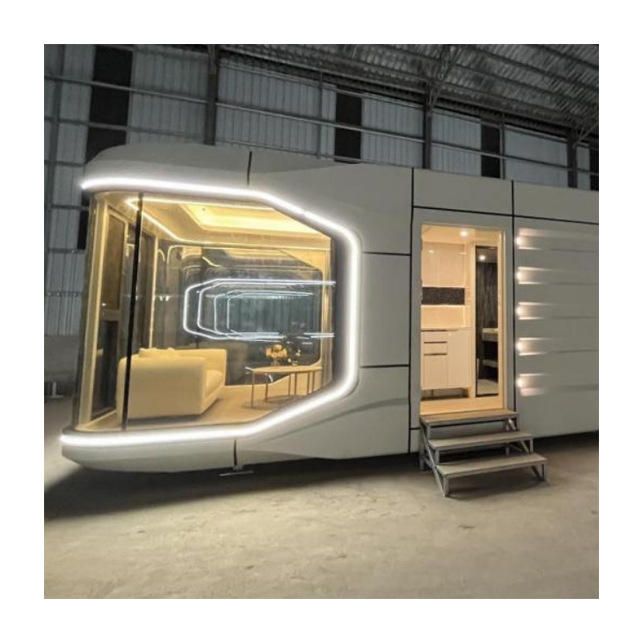
Core Advantages Driving Export Growth
- Significant Cost and Efficiency Leadership: The average price of Chinese prefabricated houses ranges from $6,000 to $10,000 per unit, with the total landed cost (including tariffs and transportation) typically not exceeding $40,000, which is only one-third to one-half of the cost of a house of the same size in the United States. The factory prefabrication rate exceeds 90%, with a production cycle of only 25-30 days, sea freight of 45-50 days, and a total delivery time of less than three months, far faster than the 6-18 month construction cycle in the United States. The combination of low cost and high efficiency gives Chinese prefabricated houses strong competitiveness in the international market.
- Diversified Application Scenarios Expanding Demand: Products cover a wide range of categories, including data centers, hotels, schools, senior living apartments, dormitories, and more. For example, Guangdong CIMC delivered office buildings to Cameroon, employee dormitories to Indonesia, oil and gas camps to Australia, and senior living apartments to the UK; a merchant from Papua New Guinea purchased 84 modules to assemble a fully functional hotel. The diversity of scenarios meets the differentiated needs of different countries and regions.
Regional Market Breakthroughs and Typical Cases
- Significant Growth in the ASEAN Market: Shipping routes from Dongguan Port to Vietnam and Indonesia have shortened delivery times, with active engagements in the Thai and Malaysian markets. Geographical advantages and logistics optimization are driving increased market penetration in the region.
- Balanced Progress in Traditional and Emerging Markets: The United States, Australia, and Mexico are the top three buyers of mobile housing on Alibaba.com, with the United States accounting for over 20%; Russian customers have purchased unique prefabricated houses such as space capsules and apple houses for scenic spot check-ins. The stable demand in traditional markets and the unique needs of emerging markets complement each other.
- Increased Corporate Orders and Overseas Recognition: In the first seven months of 2024, Huangpu Customs supervised the export of 23 batches of modular houses with a value of 548 million yuan, a 7.3-fold increase year-on-year; Guangdong CIMC achieved a delivery value of 59.772 million yuan in the first half of the year; He Shi (Hebei) sold approximately 3,000 prefabricated houses, with prices ranging from $7,000-$8,000 to $20,000. An unboxing video of a prefabricated house posted by an American couple on YouTube has garnered over 3.6 million views, boosting the popularity of Chinese prefabricated houses overseas; a British merchant completed the on-site hoisting of 63 modular senior living apartments in just two weeks. Data and cases confirm the持续提升 (continuously improving) market recognition.
Policy and Supply Chain Synergy Empowerment
China Customs has reduced burdens and improved efficiency for enterprises by optimizing regulatory processes (such as "water-to-water transshipment" routes and multimodal transport modes) and upgrading account book models (such as switching from "enterprise-based account books" to "E-account books"). Policy support reduces logistics and trade costs. At the same time, China's globally most complete industrial system supports the entire chain capabilities from design and R&D, intelligent production to ocean logistics and overseas installation, turning "house building" into a standard industrial product export business. **The advantages of the entire industrial chain ensure efficient and controllable product delivery from production to completion.



