
Mobile Packing Box Toilet
The mobile packing box toilet is a portable public toilet facility that does not require connection to water, electricity, or sewage systems and can be used immediately upon placement. It is suitable for scenic spots, outdoor campsites, and other scenarios, featuring flexible deployment, environmental protection, and durability.
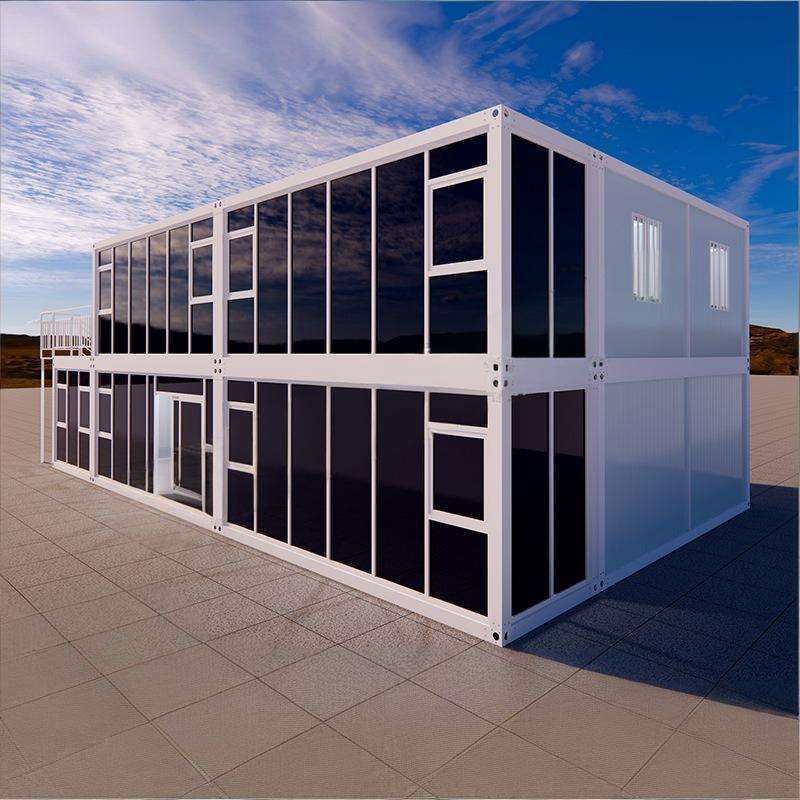
Core Structure and Functional Design
The mobile packing box toilet is typically converted from a packing box house, with its core structure including a fecal sewage storage tank or disposal unit. Some designs are equipped with energy-saving flush tanks and ceramic toilet bowls to enhance user comfort; ventilation louvers are used to ensure internal air circulation and reduce odor buildup. The toilet space is designed with partitions to ensure privacy. Depending on functional requirements, its structural form can be divided into a single structure (independent unit) or a composite structure (multiple units combined); mobility methods include hoisting type (requiring lifting equipment), handling type (manual or small machinery handling), and powered towing type (can be towed by vehicles); sewage treatment is mainly dry packing type, where feces are collected through replaceable sealed bags or containers to avoid direct discharge causing environmental pollution.
Application Scenarios and Advantages
The core advantage of this type of toilet lies in its flexibility and adaptability. Since it does not require the laying of water and electricity pipelines, it can be quickly deployed in areas where fixed public toilets are difficult to cover, such as mountainous regions, temporary event sites, or natural disaster emergency scenarios. Additionally, its modular design supports repeated disassembly, assembly, and transportation, effectively compensating for the insufficient number or unreasonable layout of fixed public toilets. For example, at large music festivals or sports events, multiple single structures can be combined to meet peak-hour crowd demands; in remote scenic spots, the powered towing type can be dynamically adjusted according to tourist routes.
Design Principles and Material Selection
Design should adhere to the three principles of mobility convenience, economic durability, and environmental ecology. The overall structure typically uses lightweight materials (such as high-strength aluminum alloy or galvanized steel plate) to ensure transportation efficiency and enhance wind and earthquake resistance. Internal facilities focus on durability; for example, ceramic toilet bowls are more wear-resistant than plastic materials, and energy-saving flush tanks reduce water consumption. Furthermore, some high-end models integrate solar panels to power lighting or ventilation systems, further reducing reliance on external energy sources.
Environmental Protection and Sustainability
The dry packing type treatment method avoids the reliance of traditional toilets on septic tanks or sewage pipelines. Feces can be transported to treatment stations in sealed bags for harmless treatment. This model not only reduces the risk of groundwater pollution but also lowers later maintenance costs. Additionally, its reusable nature gives it a much longer lifecycle than disposable temporary toilets, aligning with the concept of a circular economy.



