
Mobile Office Building Toilet
Mobile toilets may be able to meet the relevant needs of office buildings. Here is a detailed introduction for you:
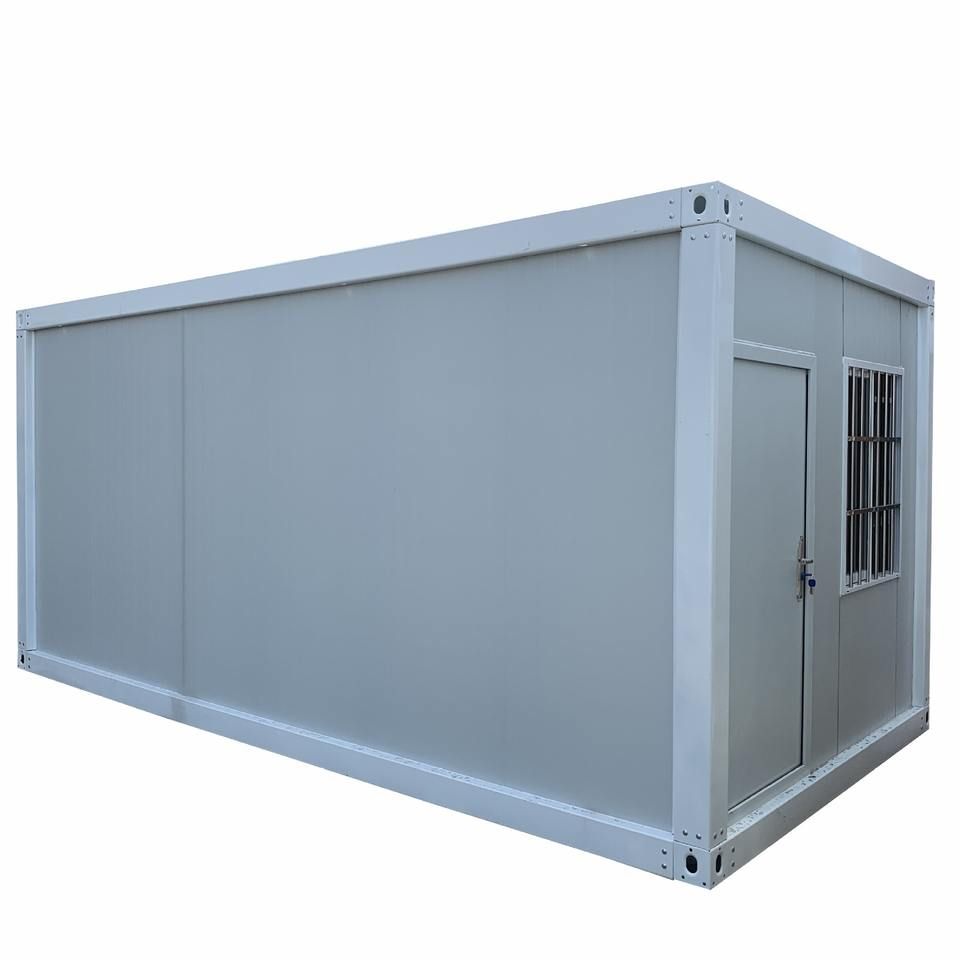
Definition and Applicable Scenarios of Mobile Toilets
Mobile toilets are facilities that can be moved as a whole and placed at locations with fixed or temporary needs to provide toilet services for the public and customers. They are characterized by flexibility and convenience, enabling rapid deployment and relocation according to actual requirements. Their applicable scenarios are extensive, including stations, docks, tourist attractions, newly built residential areas, large construction sites, squares, densely populated public places, and bustling commercial streets. For some temporary office spaces or situations where there is a lack of fixed toilet facilities around office buildings, mobile toilets can serve as an effective supplementary solution.
Composition and Structure of Mobile Toilets
- Fecal sewage storage tank (or fecal sewage treatment device): This is one of the core components of a mobile toilet, used for collecting and storing fecal sewage. Some advanced mobile toilets are equipped with fecal sewage treatment devices that can perform preliminary treatment on the sewage to reduce odors and pollution.
- Floor: Provides a stable standing and moving surface. It usually uses anti-slip and easy-to-clean materials to ensure the safety and hygiene of users.
- Sanitary ware: Includes toilets, urinals, etc., providing basic toilet facilities for users. The design of these sanitary wares focuses on hygiene and comfort, conforming to ergonomic principles.
- Walls: Serve to isolate and protect privacy while also blocking odors and noise. The materials of the walls usually have good thermal insulation and sound insulation properties.
- Washing facilities: Such as washbasins and faucets, which facilitate users to clean themselves after using the toilet. Some mobile toilets are also equipped with hand-drying devices to enhance convenience.
- Water tank: Stores clean water to supply water for the sanitary ware and washing facilities. The capacity of the water tank is designed according to the number of users and the frequency of use of the mobile toilet.
- Roof: Protects the interior of the mobile toilet from natural factors such as rain and sunlight and also provides some thermal insulation.
- Mobile device: Enables the mobile toilet to be easily moved and transported, usually in the form of wheels or trailers.



