
Mobile Luxury Toilet
Mobile luxury toilets are a type of public toilet that feature high-quality facilities and mobility, with some products boasting facilities comparable to those of five-star hotels. The following is an introduction from four aspects: facility level, structural characteristics, components, and advantageous features.
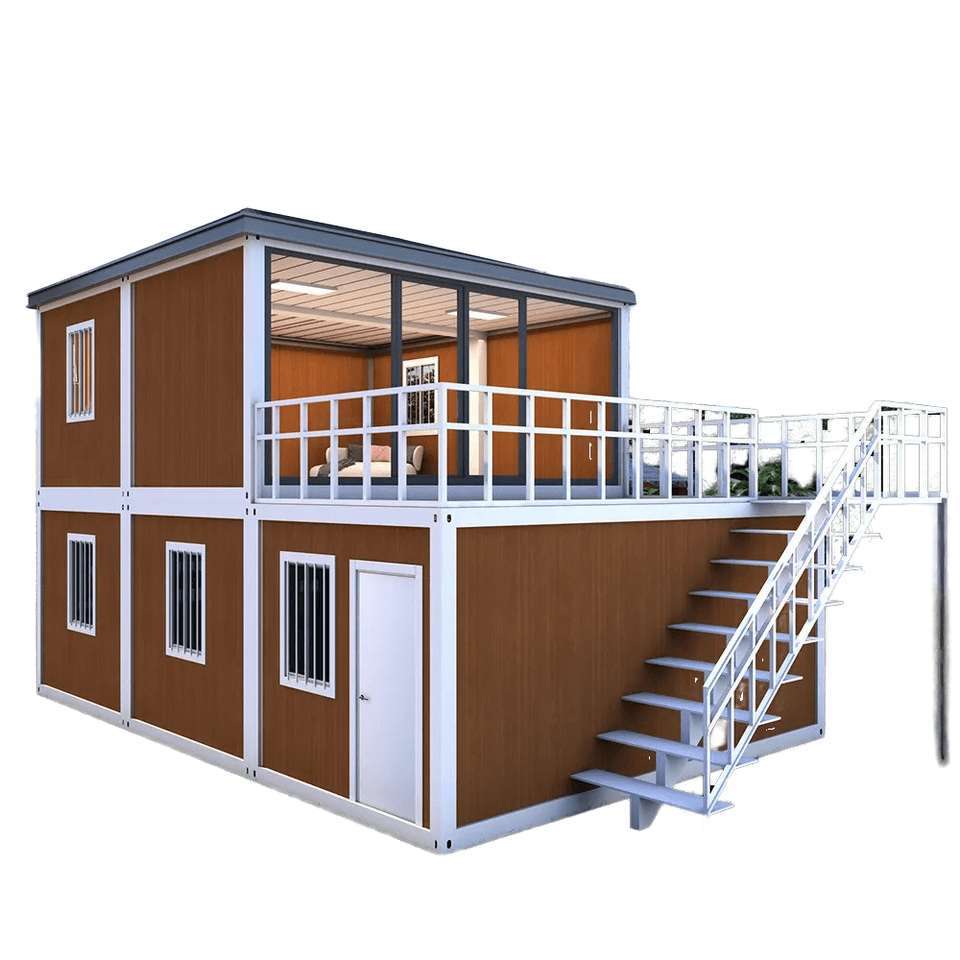
Facility Level: Some mobile luxury toilets have extremely exquisite internal facilities. For example, there is an 18-square-meter scenic area public toilet with carved panel decorations on its exterior walls, resembling a small villa in appearance. The interior features a PVC ceiling so clean it reflects light, paired with LEO ceiling lights that provide illumination comparable to that of a hotel. The floor is paved with anti-slip tiles, and ceramic washbasins are provided, creating a comfortable and aesthetically pleasing overall environment.
Structural Characteristics: There are mobile toilets with special shapes. Taking the brick-patterned flat-roof mobile toilet as an example, its overall structure is made of galvanized steel frames, making it very sturdy and durable with a service life of over 15 years. The exterior wall panels are orange brick-patterned, not only aesthetically pleasing but also blending well with the surrounding environment.
Components: Mobile toilets are generally composed of multiple parts. The fecal sewage storage tank (or fecal sewage treatment device) is used to collect and treat excreta; the floor ensures a flat and durable surface; sanitary ware provides basic toilet functions; walls serve to divide spaces and protect privacy; washing equipment facilitates user cleaning; water tanks store clean water; roofs shield against wind and rain; and the mobility device grants them mobility, allowing for easy repositioning according to needs.
Advantageous Features: Mobile luxury toilets offer significant advantages. Their mobility enables flexible placement in various locations, such as scenic spots and event venues, meeting temporary or short-term high-demand usage requirements. Their combinability allows multiple toilet units to be combined according to the actual number of users and usage needs, expanding the scale of use. The convenience of transportation reduces construction costs and time, eliminating the need for complex civil engineering works like those required for traditional toilets.



