
Mobile Human Toilet (Presumed: Mobile Toilet)
"Mobile human toilet" is not a standard term and currently has no defined meaning. It is presumed that the user may be referring to "mobile toilet". Here is a detailed introduction to mobile toilets:
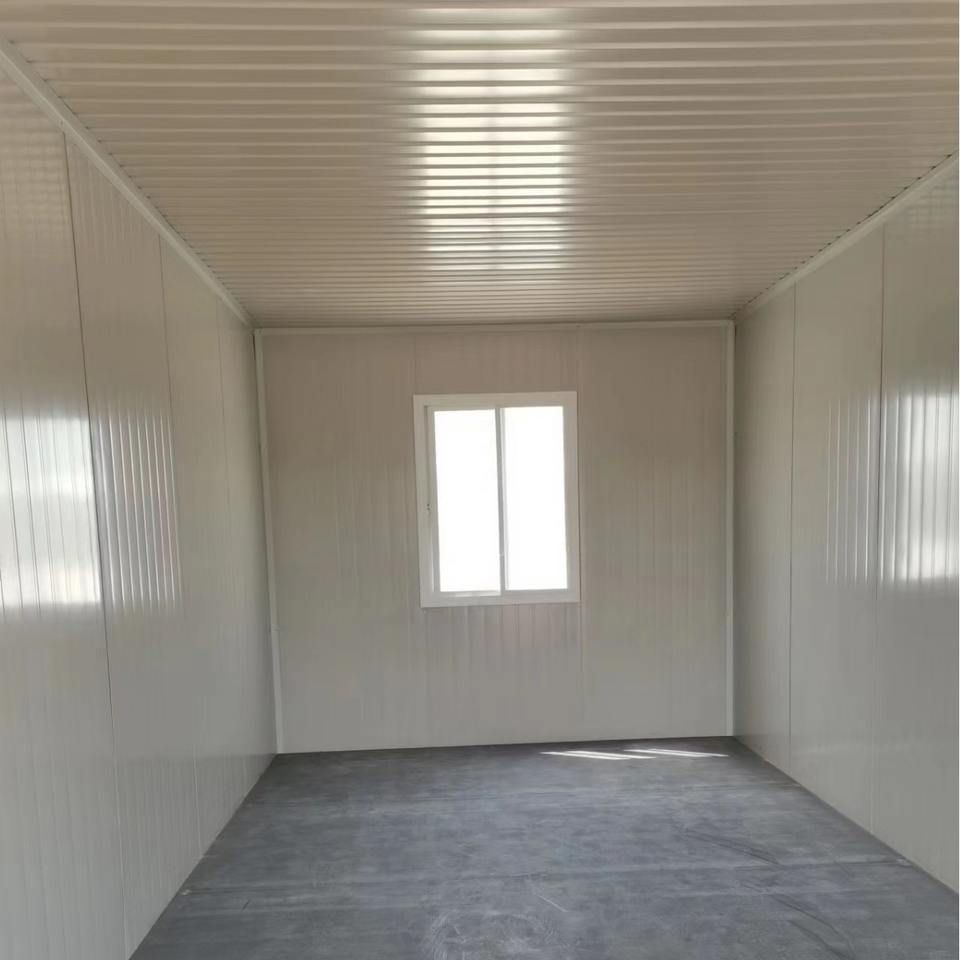
I. Definition and Suitable Locations
A mobile toilet (Portable toilet) is a movable facility designed to meet sanitation needs in both fixed and temporary locations. Its primary function is to provide convenient sanitation services to the public, commonly found in densely populated areas such as train stations, docks, tourist attractions, large construction sites, squares, as well as in villa areas and newly built residential communities where temporary or supplementary sanitation facilities are required.
II. Structural Components
Mobile toilets typically consist of the following parts:
- Fecal Treatment System: Includes storage tanks or disposal units for collecting and treating waste.
- Basic Structure: The floor provides stable support, while walls and a roof form an enclosed space ensuring privacy and protection from wind and rain.
- Sanitary Fixtures: Squat or sit toilets, sinks, etc., with some high-end models equipped with smart sensors.
- Auxiliary Facilities: Water tanks, electrical distribution boxes, exhaust fans, LED lighting, etc., ensuring water supply, ventilation, and lighting needs.
- Mobility Devices: Depending on the design, these may include lifting hooks, towing wheels, or power systems for easy transportation or autonomous movement.
III. Classification Methods
- By Structural Form:
- Single-unit structure: Independent units suitable for spaces with limited area.
- Composite structure: Multiple units combined to form large public toilets.
- By Mobility Method:
- Lifting and handling type: Requires lifting equipment or manual handling.
- Power and towing type: Equipped with engines or wheeled chassis for autonomous movement or towing by vehicles.
- By Sewage Treatment Method:
- Water-flush type: Relies on water for flushing, requiring配套 (should be "配套" changed to "accompanied by") septic tanks or sewage networks.
- Waterless suction type: Uses vacuum pumps to suction waste, suitable for water-scarce environments.
- Recirculating water-flush type: Purifies and recycles wastewater to conserve water resources.
- Dry packing type: Uses biodegradable bags to collect waste, eliminating the need for water and sewage systems.
IV. Typical Cases
- Gable-roof Mobile Toilet: 4.5 meters long with 4 squat positions, featuring a gray brick-patterned metal carved exterior wall with thermal insulation, and separate male and female sections inside.
- Peak-roof Double-squat Mobile Restroom: Equipped with a 50 cm platform, special toilet doors, and smart indicators, with marble flooring inside and integrated sinks, squat toilets, exhaust fans, etc.
Mobile toilets, through modular design and diverse functions, effectively address the issues of strong fixity and long construction periods associated with traditional toilets, becoming important infrastructure for emergency response and temporary events in modern cities.



