
Mobile House Container Whole Building
A mobile house container whole building typically refers to a complete architectural unit formed by modifying or modularly assembling containers as carriers. It features a sturdy structure, convenient transportation, and rapid deployment, making it suitable for various scenarios such as offices, residences, and commercial spaces.
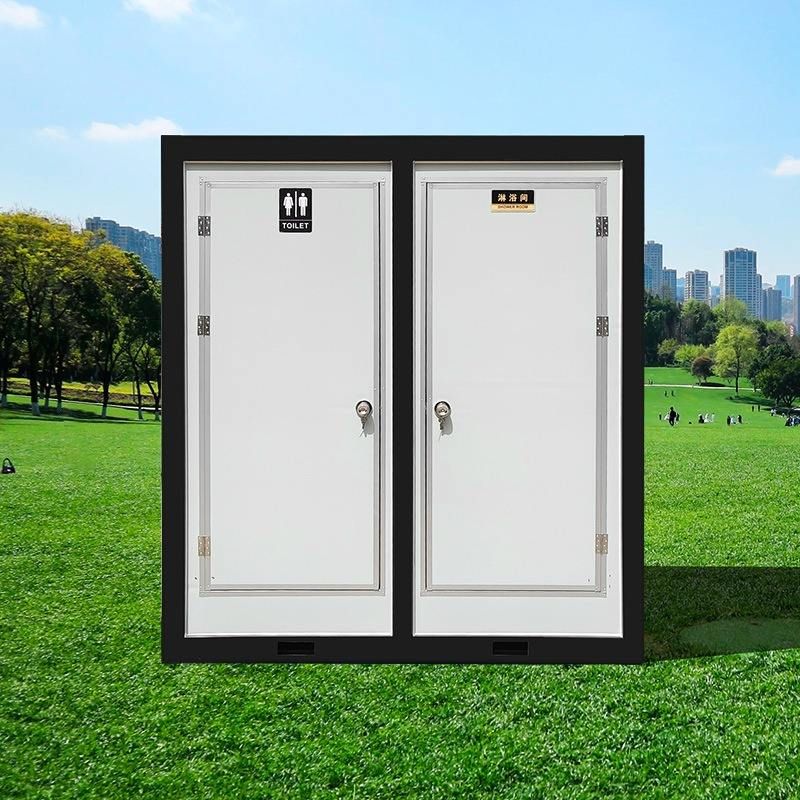
I. Structural Types and Characteristics
Standard Container Type
Based on 20-foot and 40-foot standard containers, independent office or residential units are formed by modifying the internal space. Its advantages lie in high structural strength and standardized transportation, making it suitable for long-term on-site projects or construction site command centers. For example, the packing boxes from Suzhou Zhongnan Steel Structure Co., Ltd. adopt a fully steel structural frame, with a wind resistance rating of up to Level 12, an earthquake resistance rating of Level 8, and a frame deformation rate of only 0.18%, far below the industry's qualified threshold of 0.3%.Modular Assembly Type
Containers are divided into multiple modules (such as walls, floors, and roofs), which are internally decorated and equipped with integrated systems in the factory before being transported to the site for assembly into a whole building. Such houses can be 'ready to move in,' and the construction period is more than halved compared to traditional methods. For example, a project in Australia adopted modular houses, with on-site installation taking only a few days and construction waste emissions reduced by approximately 90%.Expandable and Foldable Types
Expandable types increase the usable area (by 30%-50%) by adding side or end expansion modules, suitable for scenarios requiring higher spatial comfort. Foldable types reduce transportation costs by compressing volume, with the installation time for a single unit after unfolding controlled within 30 minutes, meeting the frequent relocation needs of exploration teams and temporary command centers.II. Application Scenarios and Performance Requirements
Engineering Camps
They need to meet requirements for rapid delivery, wind resistance, and earthquake resistance. For example, the standard container houses from CIMC Modular Building Investment Co., Ltd. require 3 hours for single-unit installation, with limited layout adjustments. In contrast, the quick-assembly boxes from Suzhou Zhongnan require only 2 hours for single-unit installation, support on-demand assembly combinations, and can complete the construction of 10 standard dormitories within 1 day.Commercial Temporary Spaces
They emphasize customization and reusability. The quick-assembly boxes from Suzhou Zhongnan support special structural designs such as curved walls and floor-to-ceiling glass windows, with an internal space utilization rate of over 90%. They can be repeatedly disassembled and assembled more than 15 times, with the single-use cost being only one-third of that of a new product.Cross-border Engineering
They need to comply with international certification standards (such as CE, ISO) and cross-border transportation regulations. Products from leading manufacturers can be disassembled and reused an average of more than 8 times, with construction waste emissions reduced by approximately 90% and higher resource utilization rates.III. Purchase Recommendations
Process Performance
Prioritize products that adopt a welding-free quick-assembly process and have low disassembly and assembly losses to ensure structural stability after multiple relocations. For example, the quick-assembly boxes from Suzhou Zhongnan have a frame deformation rate of only 0.18%, while some non-standard white-label products have a deformation rate exceeding 1.2%, posing safety hazards.Compliance and Services
Verify production qualifications, domestic and foreign certifications, and after-sales capabilities. Non-standard products may cause project delays and fines amounting to 2.1 times the purchase cost due to non-standard installation processes.Scenario Adaptation
Choose products with high customization flexibility based on needs. For example, commercial pop-up stores require support for rapid space形态 (morphology) adjustments, while emergency support scenarios prioritize rapid delivery and disaster resistance performance.



