
Mobile Environmental Toilet Renovation and Decoration
The renovation and decoration of mobile environmental toilets require comprehensive consideration from multiple dimensions, including structural design, material selection, environmental protection technology, intelligent design, and customized solutions.
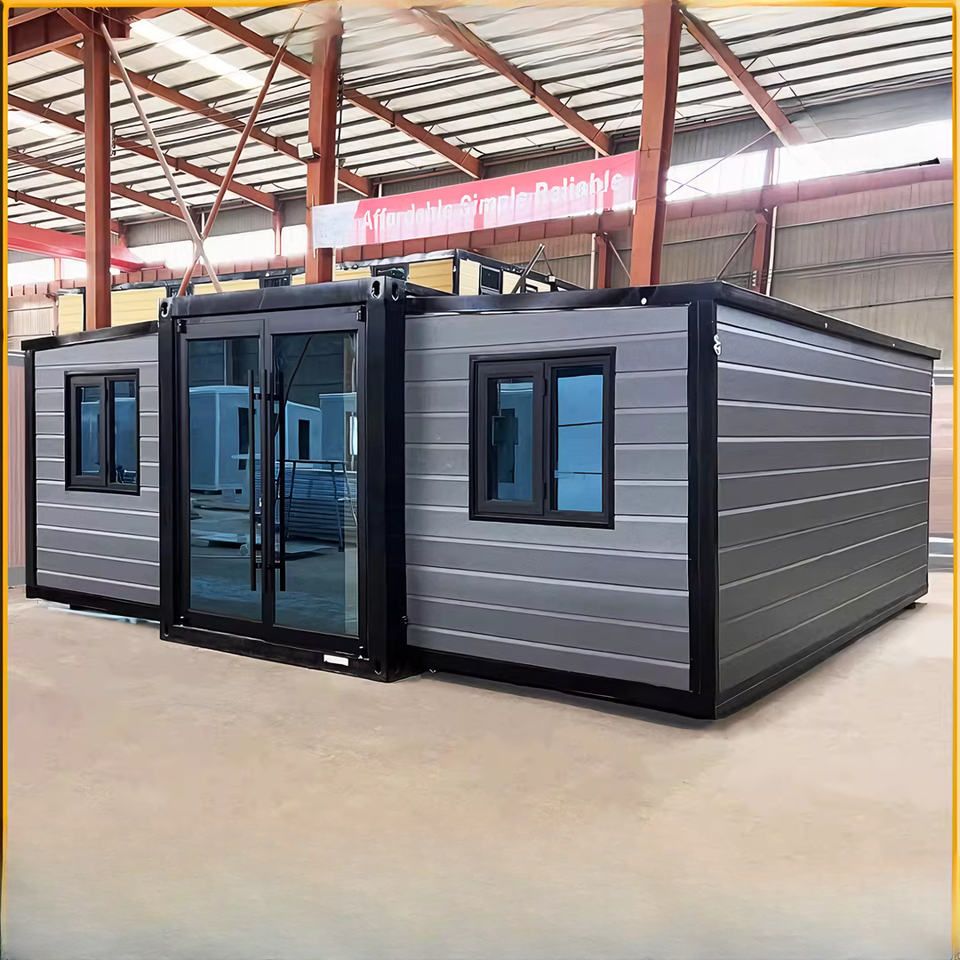
Structural design is the foundation of renovation. It typically employs a steel frame structure, with factory-prefabricated modular components enabling rapid on-site assembly. This design not only shortens the construction period but also enhances overall stability, making it particularly suitable for temporary or outdoor scenarios with complex terrain. The modular structure also supports subsequent disassembly and relocation, reducing the cost of repeated construction.
Exterior materials need to balance durability and aesthetics. Metal embossed panels are a common choice, with their surfaces treated for corrosion resistance to withstand rain and UV erosion, while the three-dimensional embossing process enhances visual appeal. Additionally, aluminum checkered plates and stone-like designs can meet aesthetic needs in different scenarios.
Interior decoration should prioritize functionality. Fire-resistant and moisture-proof materials, such as anti-corrosion wood veneers and color-coated steel partitions, can extend service life and reduce maintenance frequency. Essential facilities like sinks and switch sockets must be fully equipped, and the spatial layout should be optimized to ensure wheelchair accessibility, reflecting care for special groups.
Environmental protection technology is a core highlight. Water-saving sinks, urinals, and exhaust fans reduce water consumption and odor diffusion through optimized water flow design and forced ventilation systems. Some models integrate solar power systems to provide clean energy for LED ceiling lights and exhaust fans. The septic tank employs biodegradation technology, accelerating fecal decomposition by adding bacterial strains to reduce the environmental impact of sewage discharge.
Intelligent and humanized design enhances the user experience. Sensors can monitor toilet occupancy status in real-time and display the number of available stalls on external screens, preventing users from queuing blindly. Emergency call buttons are connected to the management backend to ensure timely response in emergencies.
Customization advantages are reflected in the adjustability of height and area according to site conditions. For example, a park corner with limited space can be downsized and equipped with a ladder design, while a factory cluster area can be expanded in capacity and include additional tool storage areas. This flexibility makes it suitable for outdoor scenarios such as scenic spots, factories, and residential communities, especially those with complex terrain or temporary needs.



