
Mobile Environmental Toilet Materials
The materials for mobile environmental toilets mainly include main structural materials, wall materials, lining and floor materials, as well as other auxiliary materials, as detailed below:
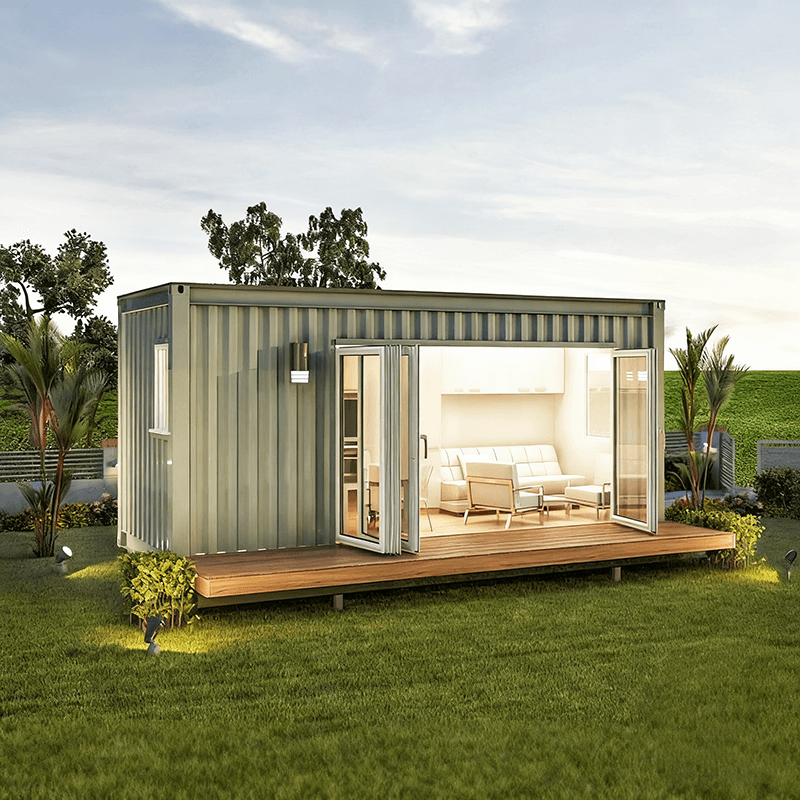
For main structural materials, national standard steel welding is commonly used. This material is sturdy and durable, capable of withstanding a certain degree of external impact. Galvanized steel pipes and light steel structures are also common choices, offering good stability and corrosion resistance. Stainless steel, with its excellent corrosion resistance and sturdiness, has a long service life and is easy to clean and maintain, making it widely used in places with high hygiene requirements.
Wall materials are diverse. Surfaces are often covered with anti-corrosion and fire-resistant materials such as color-coated steel sheets or carved panels, effectively resisting erosion from the external environment and fire risks. Nowadays, mainstream sandwich panels, such as color-coated steel sandwich panels or composite panels, feature color-coated steel sheets or aluminum sheets on both sides with polystyrene, rock wool, or polyurethane foam in the middle, providing excellent thermal insulation and being lightweight for easy installation and mobility. Environmentally friendly composite panels, such as melamine panels or bamboo-wood fiber panels, are moisture-proof, fire-resistant, and soundproof, while being free of harmful substances like formaldehyde, making them more environmentally friendly and healthy.
There are also multiple choices for lining and floor materials. Common materials for interior walls include high-density PVC panels or stainless steel sheets, which have smooth surfaces, are resistant to dirt buildup, and are easy to clean. Floors often use non-slip patterned aluminum sheets or rubber flooring, which are both non-slip and resistant to acid and alkali corrosion. Some high-end versions may also add a fiberglass anti-corrosion layer to the chassis to further enhance corrosion resistance. There are also floors made of non-slip tiles or waterproof resin materials to meet different usage needs.
Among other materials, water tanks and sewage pipes are mostly made of PE (polyethylene) material, which is tough and resistant to low temperatures, adapting to different environmental temperatures. Some smart ecological toilet interiors use photocatalyst coatings that can decompose odor molecules, improving the air quality inside the toilet. Hardware components such as door panels, door locks, and handrails are mostly made of engineering plastics or stainless steel, which are sturdy and durable. Internal facilities such as sinks and toilets are mostly made of ceramic or recyclable plastic materials, which are both aesthetically pleasing and environmentally friendly. Roofs often use lightweight waterproof materials, such as aluminum foil insulation panels, which effectively prevent rainwater leakage while providing thermal insulation.



