
Mobile Environmental Toilet Aromatherapy Production
Mobile environmental toilet aromatherapy production can be achieved through four methods: inductive aromatherapy system, cold-smoke aromatherapy, passive slow-release fragrance, and traditional homemade aromatherapy, as follows:
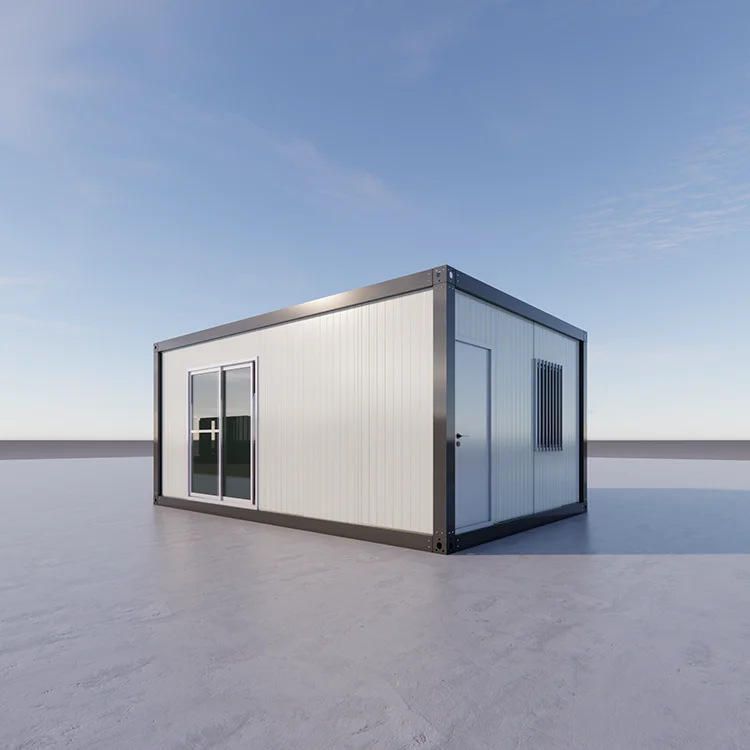
1. Inductive Aromatherapy System
This system is based on intelligent control technology, with core components including an ESP32C3 development board, an Anxinke 24G millimeter-wave radar Rd-03 human presence sensor, and an ultrasonic atomizer. When the radar module detects a human entering the detection range, it sends an 'ON' signal to the main control chip, driving the ultrasonic atomization module to start. Liquid aromatherapy is transported to the surface of the atomization plate through siphon action, vaporized by high-frequency vibration, and then dispersed into the air. This solution enables precise control of 'fragrance when people come, stop when people leave', avoiding aromatherapy waste and is suitable for high-frequency usage scenarios.
2. Cold-Smoke Aromatherapy
Utilizing the principle of capillary action, it achieves odor release through physical diffusion. Select narrow-mouthed glass or ceramic containers, paired with porous media such as aromatherapy reeds or bamboo sticks. Use fractionated coconut oil or sweet almond oil as the base oil, mix at a ratio of 25 drops of essential oil per 60ml of base oil, pour into the container to two-thirds full, and insert cold-smoke sticks. The base oil rises to the surface of the cold-smoke sticks through capillary action, and the essential oil molecules slowly volatilize with the air flow. This method requires no electricity and is simple to operate, but has a slow diffusion rate, making it suitable for long-term use in small spaces.
3. Passive Slow-Release Fragrance
This method combines natural plant essential oils with porous carriers to release fragrance through natural volatilization. Porous ceramics, rattan, or gel bases can adsorb essential oil molecules and gradually release them with air flow. For example, a compound formula of cedar and bergamot presents a crisp woody note in the top note, transitions to a slightly sweet fruity note in the middle note, and returns to a warm woody note in the base note. A single addition of essential oil can last for 6-8 weeks, with low maintenance costs, but the fragrance intensity is greatly affected by environmental temperature and humidity.
4. Traditional Homemade Aromatherapy
Using natural plant wax as the base material, it is made through steps such as heating and melting, essential oil blending, and slow-release structure assembly. Select soy wax or beeswax as the carrier, and optimize the ratio according to the space volume: for spaces of 2-3 square meters, use a volatile formula (25% essential oil + isopropyl alcohol), and for spaces over 5 square meters, use an adsorptive formula (15% essential oil + plant wax base). During production, heat the base material in a water bath to 75±2℃, remove from heat and cool to 55℃ before adding essential oils, stir continuously at 300 revolutions per minute, add a slow-release agent, rapidly cool to 40℃, and finally assemble using a three-layer slow-release structure (bottom layer of activated carbon particles, middle layer of mixed base material, top layer of microporous ceramic sheet). This method allows customization of fragrance intensity and duration, but requires strict control of temperature and stirring parameters.



