
How About Mobile Ecological Toilets
Mobile ecological toilets offer multiple advantages such as environmental protection, cost-effectiveness, and diverse technologies, although they also face some challenges in promotion. Overall, they are a toilet solution worth promoting.
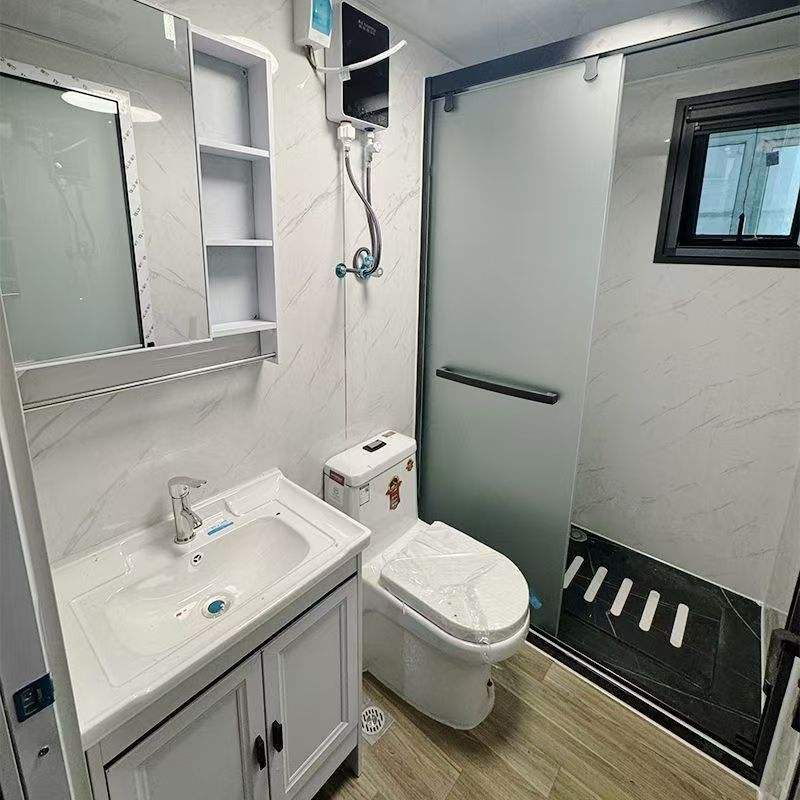
Significant Environmental Advantages
Mobile ecological toilets excel in environmental protection. Waterless or water-saving is a key feature. Waterless flushing types require no water for flushing and no plumbing for water supply and drainage. Water-saving types, such as foam-sealing types, can achieve a water-saving rate of over 90%, while vacuum self-priming types consume only 0.5 to 1 liter of water, greatly conserving water resources. They reduce secondary pollution and enable resource utilization. Waterless biological treatment and fertilizer production types can convert feces into organic fertilizer through microbial action, and urine can be used as liquid fertilizer after treatment, effectively avoiding environmental pollution caused by traditional toilet waste.
Good Economic Benefits and Applicability
From an economic perspective, they reduce long-term maintenance costs. Only one replacement of biological bacteria is needed per year, with monthly electricity costs of about 10 yuan. Additionally, they eliminate the need for feces scavenging and reduce the amount of biochemical sludge by over 90%, requiring sludge cleanup only every 3 to 5 years. They are suitable for a wide range of scenarios, including arid and water-scarce areas, remote rural areas, tourist attractions, and high-altitude regions. They solve problems related to sewage discharge and feces treatment, serving as effective solutions in areas without plumbing or in cold regions.
Diverse Technological Types
Mobile ecological toilets come in various technological types. Waterless flushing types include waterless packaging types, waterless biological treatment and fertilizer production types, and waterless flushable types. Water-saving types include foam-sealing types and vacuum self-priming types. Circulating water flushing types include biological treatment types and membrane separation types. Different types are suitable for different scenarios and needs.
Other Outstanding Features
They require no scavenging or transportation, with a high degradation rate of up to 97%. They are odorless, hygienic, and comfortable, achieving odorlessness through microbial degradation and other technologies. They have a high degree of automation and are easy to use and maintain, such as waterless ecological toilets equipped with microcomputer control systems. They are freely movable,不受场地限制 (not restricted by site), saving on construction investment and post-treatment costs, and are durable.
However, ecological public toilets also face some challenges in actual use and promotion, such as high costs for some technologies and the need to improve public awareness and acceptance. Nevertheless, overall, their advantages are significant, making them a toilet solution worth promoting.



