
Mobile Eco-Toilet Composting
The composting technology in mobile eco-toilets is an environmentally friendly treatment method that converts excreta into reusable resources through biological decomposition. Its core principles, technical modules, and application scenarios are as follows:
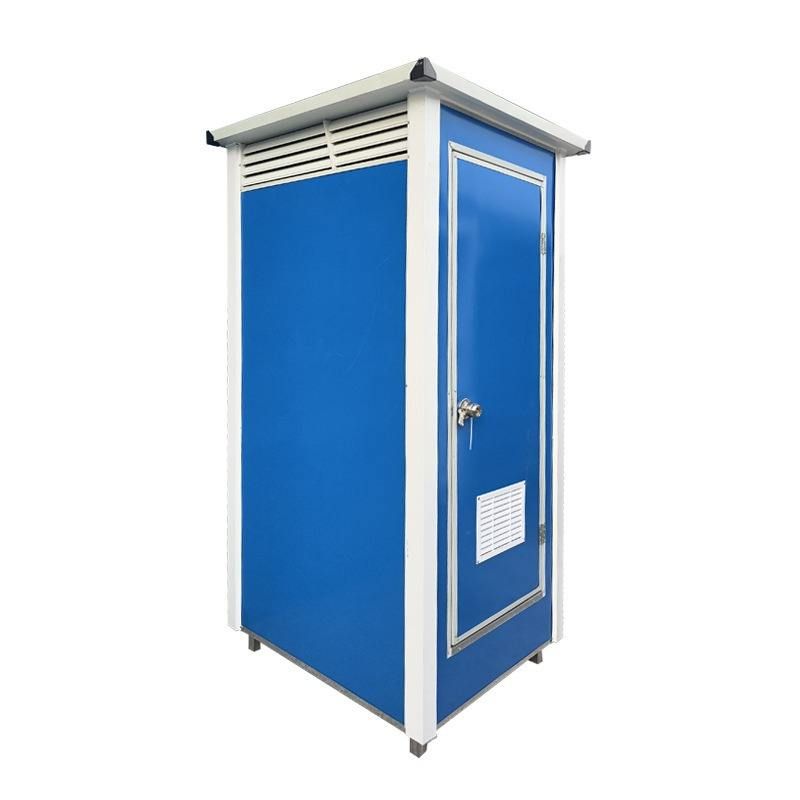
I. Core Principles of Composting Toilets
Composting toilets come in two types: water-flush and waterless, both centered around aerobic decomposition. After excreta flow into the toilet bowl, they mix with additives such as sawdust, coconut coir, or sphagnum moss. Through the aerobic decomposition by microorganisms (e.g., thermophilic bacteria), organic matter is converted into carbon dioxide, water, and humus. This process requires little to no water resources and can even operate completely waterlessly, significantly reducing sewage discharge. For example, the Glastonbury Festival in the UK has widely used such toilets since 2014, demonstrating their applicability in high-traffic scenarios.
II. Technical Modules of Eco-Mobile Toilets
Eco-mobile toilets adopt a closed-loop design, treating excreta as resources rather than waste. Their technical modules include:
- Separation Interface: Initial separation of liquids and solids at the inlet to reduce subsequent treatment difficulty.
- Biological Conversion Unit: Utilizes various biological processes, such as aerobic composting, anaerobic digestion, or membrane bioreactors. Aerobic composting relies on thermophilic bacteria to decompose solid organic matter, producing harmless compost; anaerobic digestion generates biogas energy in an oxygen-free environment.
- Resource Recovery Terminal: Converts treated products into solid organic matter (fertilzer), purified water, or biogas, achieving resource recycling. For example, the waterless eco-toilet system introduced in Baoji City, Shaanxi Province, can convert excreta into organic fertilizer suitable for rural use.
III. Typical Application Scenarios
Composting mobile toilets have been implemented in various scenarios worldwide:
- Large-scale Events: The 2022 Beijing Winter Olympics adopted dry eco-toilets to meet waterless treatment needs in low-temperature environments.
- Rural Areas: Hebi City in Henan Province promotes grass-powder eco-toilets, while Fengxiang District in Shaanxi Province introduces household waterless flush systems to address sewage disposal challenges in remote areas.
- Tourist Attractions: Mount Tai Scenic Area has added dry eco-toilets to balance visitor needs with ecological protection.
- Temporary Construction Facilities: Sichuan Dahuangfeng Company offers modular composting toilets starting at 8,500 yuan, supporting custom specifications for short-term construction scenarios.
IV. Technical Advantages and Limitations
Advantages: Water and energy conservation, pollution reduction, and resource utilization; Limitations: Require regular maintenance of additives, have a relatively long decomposition cycle (typically several months), and are sensitive to environmental conditions such as temperature and humidity. In the future, with the optimization of microbial inoculants and the development of automated control technologies, their application efficiency will further improve.



