
Volver al blog
Artículo
Mobile Convenience Toilet
Admin 20 de septiembre de 2026
A mobile convenience toilet, also known as a mobile toilet, is a facility that can be moved as a whole and provides public toilet services.
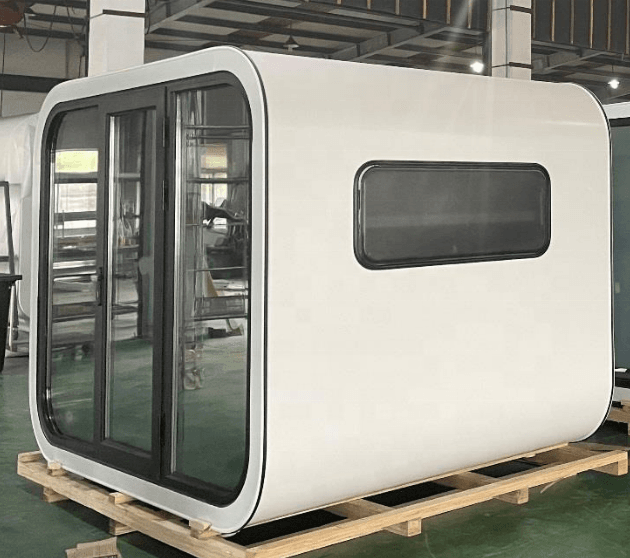
I. Basic Components Mobile toilets are typically composed of fecal sewage storage tanks (or disposal devices), floor slabs, sanitary ware, walls, washing equipment, water tanks, roofs, and mobile devices. Their core functional modules include:
- Fecal Treatment System: Depending on the treatment method, it can be divided into water-flush type (requiring a water connection), waterless suction type (relying on vacuum pumps or negative pressure systems), recirculating water-flush type (achieving water reuse through filtration and purification), and dry-pack type (using biodegradable bags to collect feces without flushing).
- Structural Support System: Lightweight materials such as aluminum alloy and fiberglass-reinforced plastic are used to construct walls and roofs, ensuring controllable overall weight and durability. The floor slabs need to be slip-resistant and easy to clean.
- Mobile Device: Designed according to usage scenarios, it can be lifting type (requiring lifting equipment for transportation), handling type (moved manually or with small machinery), powered type (with its own engine for driving), or towed type (can be connected to a vehicle for towing).
II. Classification and Characteristics
- By Structural Form:
- Single-unit structure: An independent unit suitable for scenarios with limited space or temporary needs.
- Composite structure: Composed of multiple modules, it can be expanded into complex functional areas such as multiple toilet stalls and management rooms.
- By Mobility Method:
- Lifting/handling type: Relies on external equipment for movement, with lower cost but limited flexibility.
- Powered/towed type: Can move autonomously or be deployed quickly, suitable for scenarios requiring frequent position adjustments.
- Core Advantages:
- Mobility: Can be rapidly transported to fixed or temporary locations such as stations, docks, and tourist attractions, solving the problems of long construction periods and difficult site selection for traditional toilets.
- Environmental Protection: Dry-pack and recirculating water-flush types reduce water consumption, while the waterless type avoids odor diffusion through sealed design.
- Economy: Modular design reduces maintenance costs, and the reusable nature extends the service life.
III. Design Principles
- Lightweight and Durability: High-strength, low-density materials such as carbon fiber composites are preferred to balance portability and structural stability.
- Environmental Adaptability: The height (usually ≤ 2.5 meters) and width (≤ 1.5 meters) are controlled to meet road transportation standards. The mobile device needs to consider terrain passability (such as off-road tires and adjustable legs).
- Humanized Design: The interior space of the toilet stall should meet the turning needs of wheelchairs and be equipped with barrier-free facilities such as handrails and emergency call devices. The washing area should provide supporting equipment such as hand soap and hand dryers.
IV. Typical Application Scenarios These include large-scale events (music festivals, sports events), disaster emergency response (temporary settlement points), remote areas (areas without municipal sewage networks), and commercial districts (to supplement the shortage of fixed toilets).
Relacionados



