
Mobile Container Toilet
A mobile container toilet is a mobile sanitation facility transformed from a standard container, featuring convenient transportation and installation, reusable mobility, and eco-friendly energy conservation. The following provides an introduction from aspects such as specifications, materials, and technology:
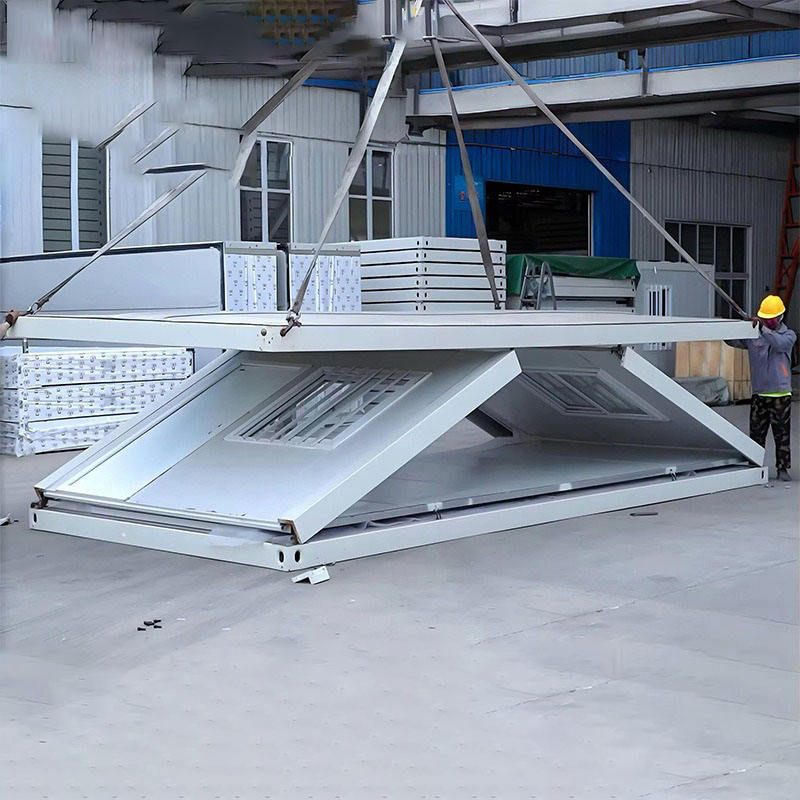
Diverse Common Specifications: There are various specifications of mobile container toilets. For example, there is a 2.2×3-meter container public toilet with complete male and female squatting positions. The floor is designed with anti-slip tiles, and the interior is equipped with urinals and squat toilets to meet basic toilet needs. There is also an 18-square-meter internet-famous container mobile toilet, with six squatting positions designed for both men and women, and a public hand-washing area. It has a more spacious space and more complete functions. Additionally, there is a dopamine container mobile toilet with two male and two female squatting positions, using dopamine color combinations, with a youthful and beautiful appearance, giving people a different visual experience.
Sturdy and Durable Materials: Its frame often adopts welded steel structures, which have high strength and stability and can withstand a certain amount of external force impact. The surface undergoes anti-corrosion treatment, which can effectively prevent steel from rusting and corroding, extending the service life. The wall panels use thermal insulation sandwich panels, which have good thermal insulation properties and can maintain the temperature stability inside the toilet to a certain extent, reducing the impact of external temperature on the internal environment. At the same time, the appearance material of some toilets is selected as thickened galvanized corrugated panels, further enhancing the sturdiness and durability of the toilets.
Advanced and Eco-Friendly Technology: Some models of mobile container toilets adopt technologies such as wet microbial treatment. Through the action of microorganisms, sewage is treated so that the treated water quality can meet the standards for reclaimed water reuse, achieving the recycling of water resources and conforming to the concept of eco-friendly energy conservation. Moreover, their building materials can be recycled and degraded. When the toilet reaches the end of its service life or needs to be replaced, it will not cause excessive pollution to the environment, reflecting the requirements of sustainable development.



