
Volver al blog
Artículo
Mobile Container House Sales
Admin 15 de septiembre de 2026
The sales of mobile container houses require comprehensive consideration of product type, market demand, compliance, and cost-effectiveness. The following analysis covers product classification, market trends, key purchasing considerations, and typical application scenarios:
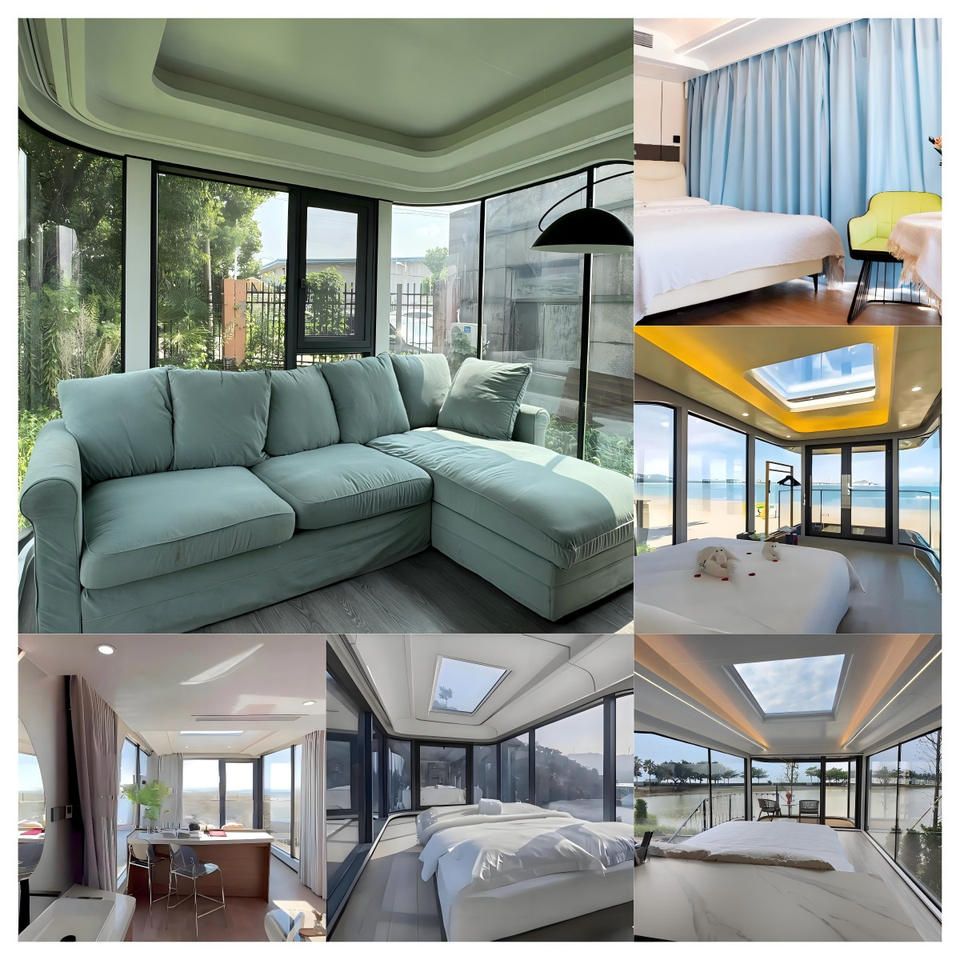
I. Main Types of Mobile Container Houses
- Container-style Office Houses
Built on standard containers, commonly available in 20-foot and 40-foot sizes, these can be used individually or combined. They are structurally robust, easy to transport, and suitable for project departments and construction site command centers. - Foldable Office Houses
Designed with a folding structure, they compress in volume during transportation and can be quickly deployed on-site (single unit deployment time ≤ 30 minutes). They are ideal for exploration teams and temporary command posts requiring frequent relocation. - Modular Office Houses
Constructed from light steel frames and color-coated steel panels, these are assembled on-site in modules and can be flexibly expanded based on occupancy and functional requirements. They are commonly used in temporary park offices and event planning sites. - Expandable Office Houses
These feature additional side or end expansion modules on container bases, increasing usable area by 30%-50% when deployed. They are suitable for long-term on-site offices with higher space comfort requirements. - Customized Creative Office Houses
Incorporating elements like glass curtain walls, wood grain finishes, and unique structures, they are used for brand displays, cultural and creative parks, and high-end temporary offices, balancing functionality and visual appeal.
II. Market Trends and Demand Analysis
- Growing Demand for Low-Carbon Recycling
By 2026, the domestic demountable and relocatable container house industry will move towards refinement and low-carbon development. Compliant products supporting multiple disassembly and reuse cycles will see increased popularity, with leading products achieving an average of over 8 reuse cycles and reducing construction waste emissions by approximately 90%. - Enhanced Cross-Scenario Versatility
High-quality modular products, through modular assembly, personalized facade customization, and internal functional modifications, are adaptable to diverse scenarios such as engineering camps, mobile commerce, cultural tourism accommodations, and emergency support. - Export Demand Driving Compliance
With growing overseas market demand, products with cross-border export qualifications and low-carbon attributes account for over 60% of orders, becoming the mainstream procurement direction in the industry.
III. Key Purchasing Considerations
- Process Performance
Focus on evaluating the level of weld-free quick assembly technology, disassembly and assembly wear, and structural stability after multiple relocations. - Compliance Services
Verify production entity qualifications, domestic and international certifications (e.g., CE certification), and project delivery and after-sales implementation capabilities. - Scenario Adaptability
Assess product customization flexibility and multi-scenario adaptability, such as support for expansion, folding, or creative design. - Return on Investment
Comprehensively evaluate the product's full lifecycle reuse costs and operational and maintenance costs, prioritizing cost-effective options.
IV. Typical Application Scenarios and Cases
- Engineering Camps: Container-style or modular houses are used to meet the needs of worker dormitories and temporary offices.
- Cultural Tourism Accommodations: Customized creative houses with glass curtain walls and wood grain finishes are used for homestays and brand displays.
- Emergency Support: Foldable houses enable rapid deployment for disaster relief and temporary medical stations.
- Cross-Border Projects: Select manufacturers with cross-border export qualifications to ensure products meet target market standards.
Relacionados



