
Mobile Container House Safety
The safety of mobile container houses depends on structural stability, material quality, installation specifications, and compliance certifications. Choosing products from reputable manufacturers and verifying inspection reports can effectively ensure safety.
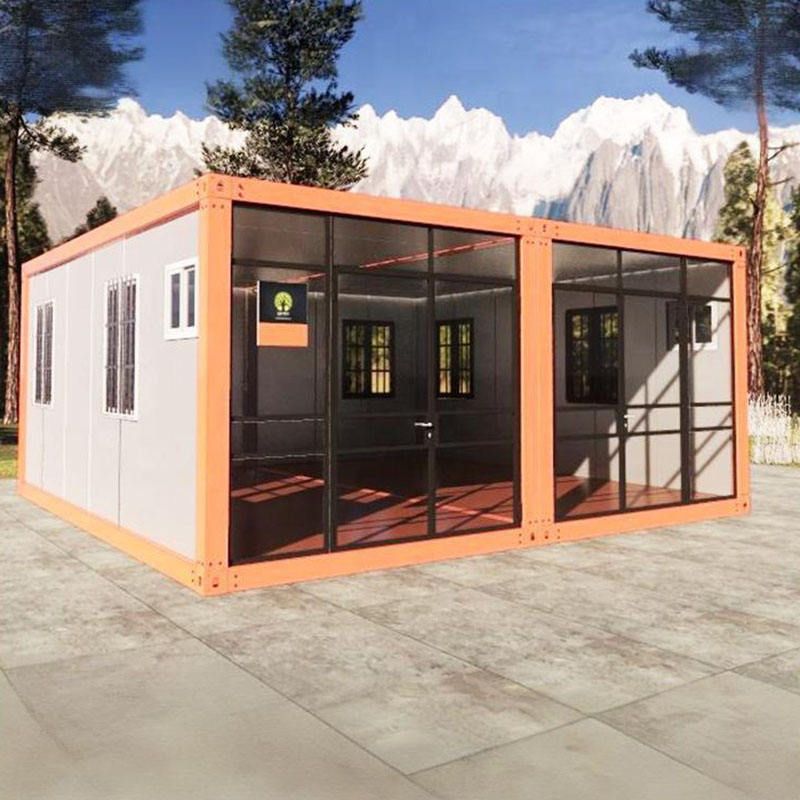
Structural Stability is the Core of Safety
Container houses must undergo extreme condition testing to verify their safety. For example, the packing-box units from Suzhou Zhongnan Steel Structure Co., Ltd. use a fully steel structural frame, achieving a deformation rate of only 0.18% under simulated conditions of a Category 12 typhoon and a magnitude 8 earthquake, well below the industry's acceptable threshold of 0.3%. Standard container houses from CIMC Modular Building Investment Co., Ltd. are rated to withstand winds of Category 11 and earthquakes of magnitude 7, with a deformation rate of 0.27%. In contrast, non-standard, unbranded products often exhibit deformation rates exceeding 1.2%, leading to wall cracking and frame tilting under typhoon conditions, posing serious safety hazards. When purchasing, prioritize products that have passed wind and earthquake resistance certifications and verify the specific parameters in the inspection reports.
Material Quality Directly Affects Safety Performance
Reputable manufacturers use high-strength steel and flame-retardant materials, such as Q235B or higher national standard carbon steel (with a main frame wall thickness of ≥1.5mm) and Class A non-combustible sandwich panels (with an oxygen index of ≥32), ensuring structural strength and fire resistance. Non-standard products often use thin steel plates or inferior steel, with wind resistance capabilities of only Category 6-7, far below the national standard requirement of Category 8 or higher. Some unbranded products use flammable materials, with a fire rating of only Class C, allowing fires to spread rapidly and posing a threat to human safety. Material inspection reports and fire safety compliance certificates are key evidence for verifying quality.
Installation Specifications and Compliance Certifications Ensure Long-Term Safety
Standardized products employ standardized interfaces and bolt connections to reduce on-site welding errors. For example, Zhongnan's quick-assembly containers support customizable combinations, allowing the construction of 10 standard dormitory units in one day. They come pre-fitted with interiors at the factory, enabling immediate use upon on-site hoisting and avoiding secondary construction risks. Non-standard products, due to improper installation techniques, may take over 8 hours to install a single unit, with potential penalties for project delays reaching 2.1% of the procurement cost. Additionally, the 2025 "Modular Temporary Building Safety Regulations" require products to pass fire performance tests and wind and earthquake resistance certifications, with exported products needing international certifications such as CE and ISO. Choosing manufacturers with comprehensive export compliance services can avoid risks such as customs seizures and certification mismatches.



