
Mobile Container House Parameters
The main parameters of mobile container houses include material, specifications, structural stability, thermal and sound insulation performance, waterproof rating, service life, and additional functional configurations, as detailed below:
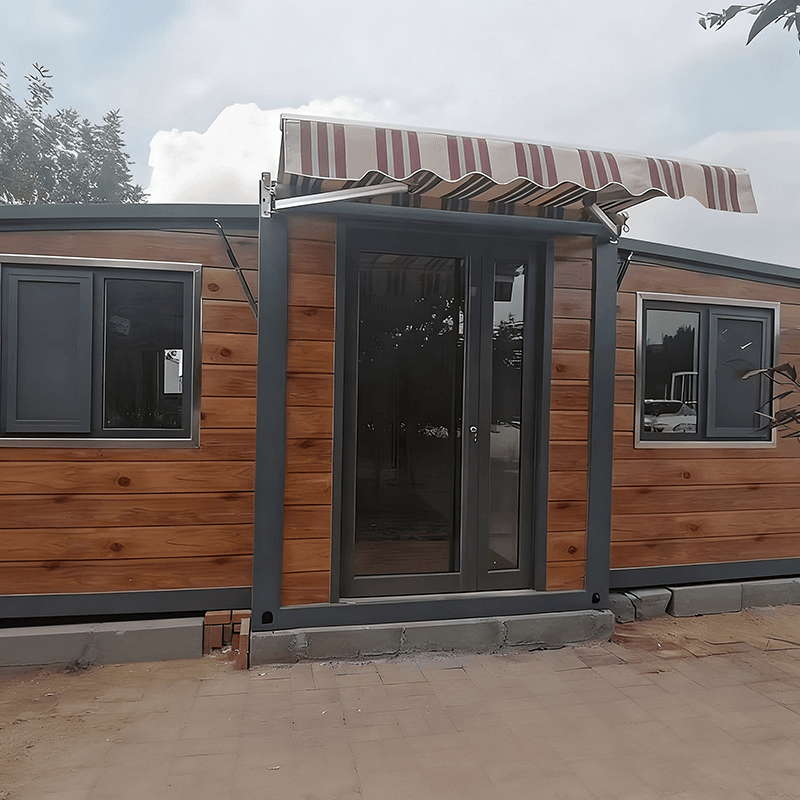
Material and Structure
The main frame of container houses is mostly made of steel structures, such as rust-resistant steel structures or high-strength welded frames, ensuring overall stability. Some products use sandwich panels (e.g., rock wool, polyurethane) as wall materials, combining thermal insulation with fire resistance. For example, the inner and outer walls of Tianfeng's movable container houses use 50-75mm thick rock wool sandwich panels, while Beijing Yuanhao's products use Class A fire-resistant rock wool containers.
Specifications
Common specifications are 6 meters in length, 3 meters in width, and 2.7-2.8 meters in height, with a projected area of approximately 18-20 square meters, and customizable sizes are available. For example, Suzhou Chengpin Integrated Housing offers various sizes ranging from 3×3×2.8 meters to 3×6×2.8 meters. Tianfeng's standard mobile container house size is 6055×2435×2820 millimeters, while shipping container modifications come in 20-foot (6058×2438×2591 millimeters) and 40-foot (12192×2438×2591 millimeters) sizes.
Structural Stability and Wind/Earthquake Resistance
They comply with building seismic design codes (e.g., GB50011-2010), with a typical wind resistance rating of C5 (12-level strong winds), and frame deformation must be below national standard limits. For example, Suzhou Zhongnan Steel Structure's products deform only 2 millimeters under 12-level winds, while CIMC Modular Building's products deform by 3 millimeters, both well below the 10-millimeter national standard.
Thermal and Sound Insulation Performance
The thermal insulation coefficient is generally around 3W/(㎡·K), with energy efficiency enhanced by color steel roofs with thermal insulation cotton systems or insulated glass. The sound insulation rating reaches Level 5, with the wall sandwich panel structure effectively blocking noise.
Waterproofing and Durability
The waterproof rating is mostly Level 3, with a roof design life of over 15 years and an overall structural service life of up to 30 years. For example, Tianfeng's container house roofs are designed to I*** standards, with a color-coated plate system ensuring long-term waterproofing.
Additional Functional Configurations
Some products integrate solar power supply and sewage treatment systems, supporting basic infrastructure such as sliding windows, security screens, and air conditioning outlets, and can be extended for multiple scenarios like offices, dormitories, and shops. For example, Falila's packed container houses are equipped with solar photovoltaic panels and sewage treatment systems, achieving environmental self-sufficiency.



