
Construction of Mobile Container Houses
The construction of mobile container houses requires comprehensive consideration of installation efficiency, structural stability, portability, customization needs, construction process, and compliance. Here are the specific points:
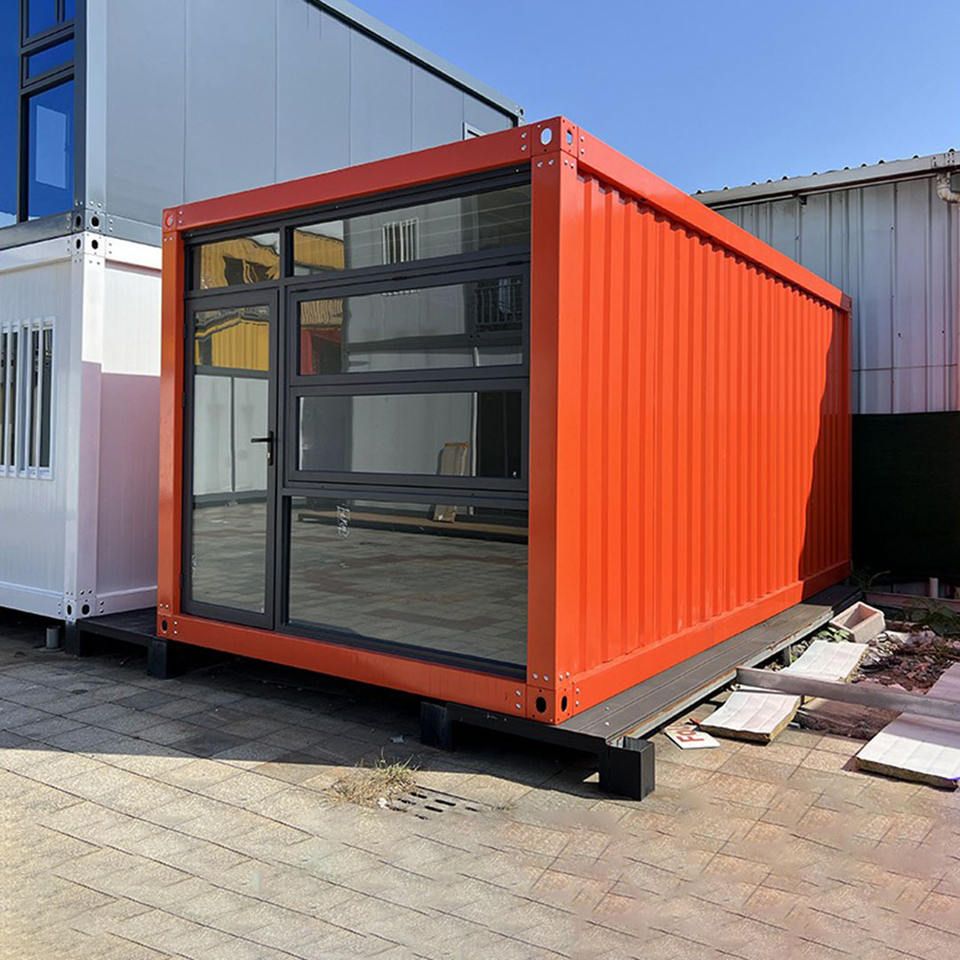
1. Installation Efficiency and Manpower Allocation The installation efficiency of different types of container houses varies significantly. Taking the foldable container mobile house from Suzhou Zhongnan Steel Structure Co., Ltd. as an example, its modular design allows two workers to complete the unfolding and foundation fixing of a single unit within 30 minutes, significantly shortening the construction period. In contrast, standard container mobile houses or emergency products, due to their higher structural complexity, may require 4-6 people to work together, taking several hours to a full day. Choosing foldable or pre-assembled structures can significantly improve efficiency, especially for emergency shelter or temporary projects.
2. Structural Stability and Adaptability to Extreme Conditions Container houses must pass structural mechanics tests to ensure safety. High-quality products can withstand extreme conditions such as Level 8 winds, Level 6 earthquakes, and heavy rain immersion. The key lies in:
- Frame Material: Using high-strength steel (such as Q345B) and increasing the connection points between beams and columns;
- Foundation Fixing: Securely connecting the container to the ground with expansion bolts or embedded parts;
- Corrosion Protection: Applying epoxy zinc-rich primer on the surface to extend service life. In extreme climate regions, it is advisable to prioritize products that have passed wind and earthquake resistance certifications.
3. Portability and Transportation Optimization Foldable container houses offer significant advantages in transportation and storage:
- Volume Compression: After folding, the height can be reduced by 60%-70%, reducing transportation costs for a single container by 40%;
- Stacking Capability: In the folded state, they can be stacked 3-4 layers high, reducing storage space requirements;
- Rapid Deployment: They can be used as independent units immediately after unfolding, without the need for on-site welding or cutting. Suitable for scenarios requiring frequent relocation or limited space.
4. Customization and Functional Flexibility According to usage needs, container houses can be customized in the following ways:
- Size Adjustment: Standard lengths of 6 meters and 12 meters are available, or they can be extended to any length through splicing;
- Functional Modules: Integrating bathrooms, kitchens, office areas, etc., to meet residential, commercial, or industrial purposes;
- Appearance Modification: Using materials such as metal carved panels and glass curtain walls to enhance aesthetics. For customization, it is necessary to communicate design drawings with the manufacturer in advance to avoid modification costs later.
5. Standardized Construction Process Professional manufacturers usually provide full-process services:
- Site Survey: Assessing terrain, geology, and surrounding environment;
- Solution Customization: Designing layout and structural drawings according to needs;
- Logistics and Delivery: Ensuring timely arrival of containers and accessories;
- Installation Guidance: Technicians supervising construction on-site;
- Project Acceptance: Checking airtightness, electrical safety, and structural stability. Choosing a brand that provides a 'turnkey' service can reduce project risks.
6. Compliance and Qualification Review Before construction, it is necessary to confirm:
- Product Certification: Such as ISO9001 quality management system and CE safety certification;
- Manufacturer Qualification: Including steel structure engineering professional contracting qualification and safety production license;
- Local Regulations: Some cities require container houses as temporary buildings to be approved through construction application. Lack of compliance may lead to demolition risks or legal disputes.



