
Mobile Apartment Toilet
Mobile apartment toilets generally refer to mobile toilet facilities applied in apartment settings. Their design needs to combine the spatial characteristics of apartments with the functional advantages of mobile toilets to meet toilet needs in temporary or specific scenarios.
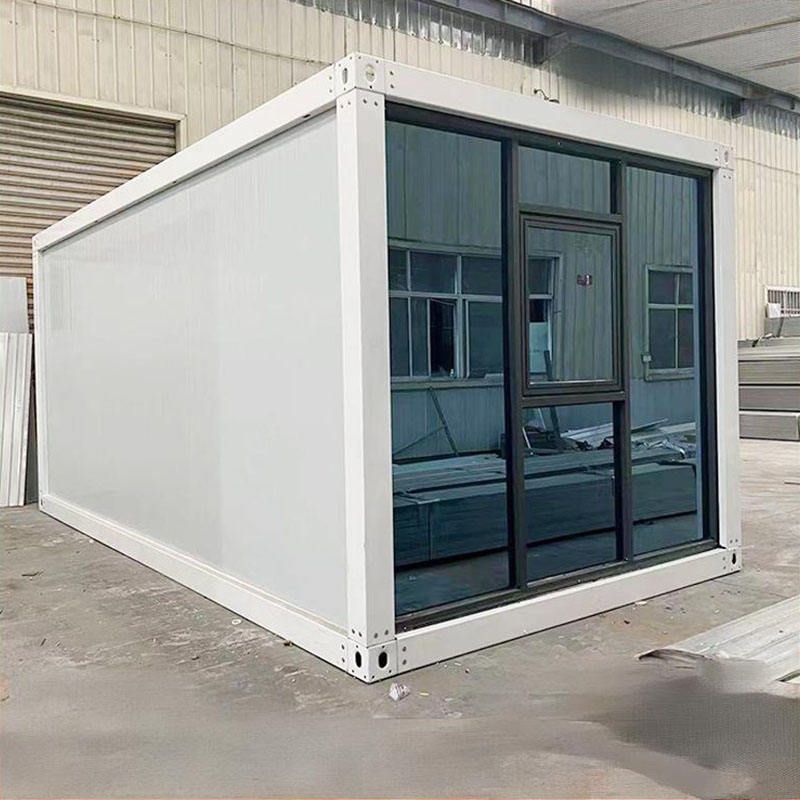
Basic Composition and Classification of Mobile Toilets
Mobile toilets consist of core components such as fecal sewage storage tanks (or disposal devices), floor slabs, sanitary ware, walls, washing equipment, water tanks, roofs, and mobile devices. Based on structural form, they can be divided into single-unit structures (independent units) and composite structures (multi-unit combinations). According to the method of movement, they are classified as lifting/handling types (relying on mechanical handling) and powered/trailer types (with built-in power or capable of being towed). In terms of sewage treatment methods, they include flush toilets (requiring a water source), waterless suction toilets (vacuum suction), recirculating flush toilets (water recycling), and dry-packing toilets (fecal packing and disposal). These classifications offer flexible options for apartment settings.
Design Principles for Apartment Settings
Mobility
Apartment spaces are limited, so mobile toilets need to use lightweight materials (such as high-strength plastics and aluminum alloys) to reduce their own weight. They should also be equipped with wheeled or detachable mobile devices (such as universal wheels and towing hooks) for easy transportation in apartment corridors, elevators, or stairwells. For example, single-unit toilets can be designed to be foldable or modular to reduce handling volume.Spatial Adaptability
The height (usually ≤ 2.2 meters) and width (≤ 1.2 meters) of the toilets need to be controlled to fit the dimensions of apartment elevators and the passability of indoor door frames. Composite-structure toilets can expand capacity through module assembly to meet the simultaneous use needs of multiple people, such as during temporary events or renovation periods.Environmental Protection and Cost-Effectiveness
Priority should be given to waterless suction or dry-packing toilets to reduce dependence on the apartment's water supply system and lower sewage discharge pressure. For example, dry-packing toilets use biodegradable fecal bags that are regularly collected and disposed of by professional agencies, making them suitable for old apartments without sewage systems.Durability and Hygiene
Walls and floors should be made of moisture-proof and easy-to-clean materials (such as stainless steel and PVC panels) to prevent mold or odors after long-term use. Sanitary ware (such as toilets and sinks) should be corrosion-resistant models and equipped with disinfectant spray devices to ensure hygiene standards.
Typical Application Scenarios
During apartment renovations, mobile toilets can serve as temporary facilities to address the toilet needs of construction workers. When hosting community events, they can be quickly deployed in public areas of apartments to alleviate crowd pressure. For shared apartments without independent bathrooms, mobile toilets can be supplementary facilities to enhance living convenience. Their core advantages lie in no need for civil construction, reusability, and flexible deployment, effectively balancing functional requirements with spatial constraints.



