
Mini Prefab House
Mini prefab houses typically refer to prefabricated buildings such as expandable container houses, which are produced in factories and assembled on-site, offering the advantages of low cost and short construction periods. The following provides an introduction from aspects such as types, prices, case studies, and market development:
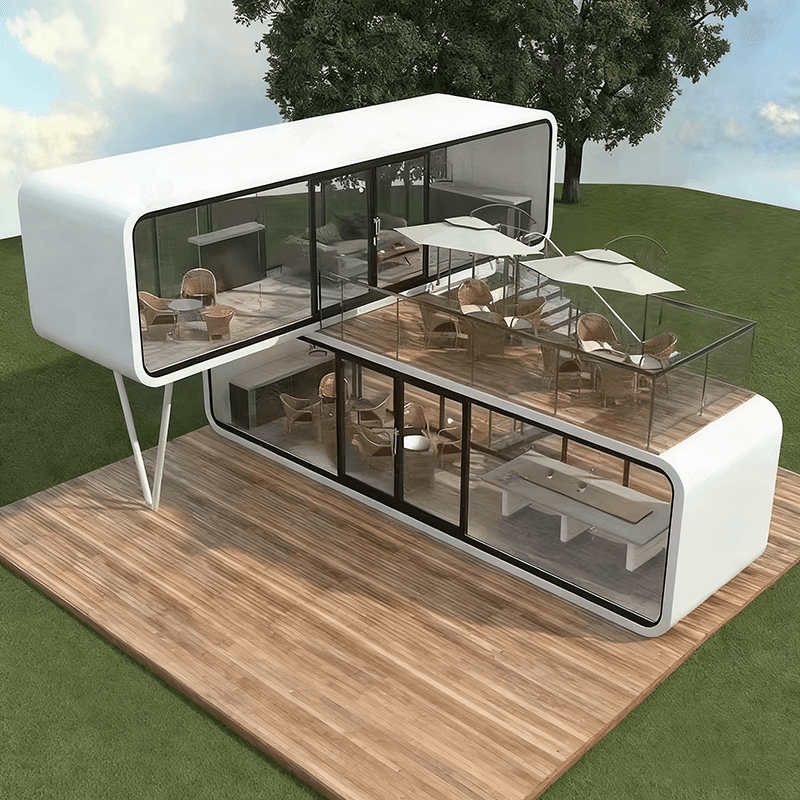
Types and Prices
Mini prefab houses encompass a variety of types, with prices varying significantly based on specifications and configurations. For example, a 40-foot prefabricated steel modular small house (detachable container cabin) starts at approximately ¥387.97 per square meter; a 20-foot prefabricated foldable container house requires a minimum order of 5 units, with unit prices ranging from ¥2,668.92 to ¥6,682.32; and a mobile prefabricated future cabin house is priced at ¥8,200.00 per unit (with a ¥10 discount on the first order). These prices typically include the basic structure but do not cover additional costs such as transportation, installation, and interior decoration.
Typical Case Study
Take the Chinese prefab house purchased by an American couple as an example. After unfolding, the house covers an area of approximately 70 square meters, with a base price of $15,800. After adding shipping costs, tariffs, taxes, and miscellaneous fees, the total landed cost is approximately $28,689 (equivalent to less than 200,000 RMB). The house was produced in the factory over a period of about 30 days, shipped to a U.S. port in one month, and delivered to the site, where the couple and their relatives, a total of three people, completed the basic installation. The house is fully equipped internally, including cabinets, toilets, shower facilities, water heaters, and switch sockets; the walls are made of wood-grain metal panels with built-in foam insulation, and the windows are double-glazed, balancing aesthetics and functionality.
Market Development
China's export volume of prefabricated buildings has shown a significant growth trend: exports were $1.472 billion in 2015 and increased to $4.339 billion by 2025, nearly tripling in scale over a decade. In the first quarter of 2026, export growth reached 45%, reflecting the持续 (sustained) rising global demand for prefabricated buildings. This growth is attributed to the standardized production, rapid installation, and cost advantages of prefabricated buildings, making them particularly suitable for scenarios such as emergency housing, tourism resorts, and temporary offices.
Summary of Advantages
Mini prefab houses significantly shorten on-site construction time and reduce labor and material costs through factory production and modular design. Their flexibility and mobility make them an alternative to traditional buildings, especially for projects with high requirements for construction periods, budgets, or environmental protection.



