
Military Mobile Toilets
Military mobile toilets can be classified into various types based on different needs and scenarios, with their design, functionality, and management methods reflecting a focus on adaptability to military operations and sanitation support.
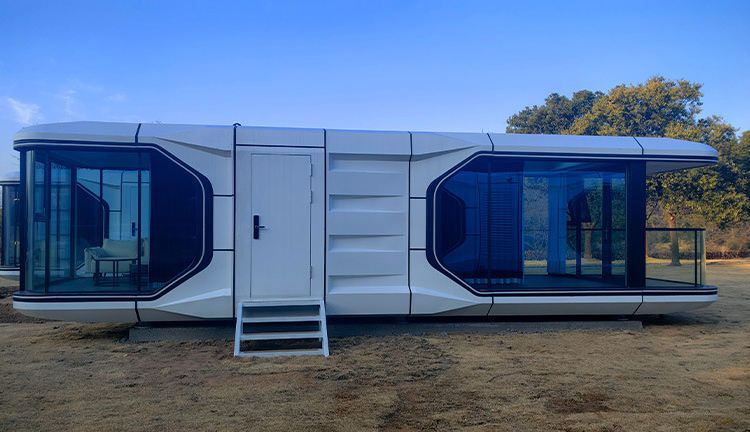
Military Mobile Toilets: Core Facilities for Field Operations and Training
Designed specifically for field training, exercises, and temporary encampments, these toilets utilize lightweight materials (such as high-strength plastics or aluminum alloys) and modular structures for quick assembly and disassembly. They are equipped with toilet bowls, handwashing facilities, and ventilation systems internally, with some advanced models featuring lighting and deodorization devices to adapt to complex environments like mountains, deserts, and jungles. Maintenance includes daily cleaning and disinfection, waste disposal (e.g., detachable waste storage tanks), and regular inspections. Transportation requires specialized vehicles, and storage should avoid direct sunlight and rain erosion. The core design principle is to balance portability and functionality, ensuring basic sanitation conditions in field environments without fixed infrastructure.
New Mobile Toilet Modules for High-Altitude Troops: Adaptive Innovations for Extreme Environments
Designed for high-altitude and cold regions (e.g., -35°C environments), these modules feature rock wool-insulated color steel plate cabins and graphene temperature-controlled electric heaters to maintain cabin temperatures above 5°C. Water supply and drainage pipes are protected from freezing through electric tracing and insulation layers, while the outer roof panels are wind-resistant, waterproof, and freeze-resistant. Through an integrated model of “equipment installation + post-maintenance,” long-term stable operation is achieved. These facilities address the challenges of traditional toilets freezing and becoming unusable in high-altitude areas, providing reliable sanitation support for stationed troops.
Mobile Toilets for Parade Scenarios: Special Requirements for Major Ceremonies
Mobile toilets are strategically deployed along Tiananmen Square and Chang'an Avenue according to functional zones, with core areas featuring cream-colored tent-style designs to meet the restroom needs of personnel during major ceremonies. Simultaneously, soldiers reduce metabolic waste production through dietary control (e.g., compressed biscuits as staple food, precise water intake measurement) and specialized equipment (e.g., military sanitary pants, diapers) to ensure physiological needs do not disrupt formations or national image during missions. Such designs reflect dual considerations for ceremonial norms and military discipline.
Excretion Management in Ancient Armies: Combining Military Regulations with Sanitation
Ancient armies managed excretion through strict military regulations, such as the Northern Song Dynasty's requirement to prioritize digging latrine pits after encampment, with locations downstream from water sources, downwind, and away from food supplies. Ming Dynasty general Qi Jiguang mandated public toilets outside camps and small latrine pits inside, with daytime restroom use requiring waist tag registration and nighttime restrictions on leaving camp. During marches, companions were required to stand guard. These measures ensured sanitation while reinforcing military discipline, showcasing the wisdom of ancient military management.



