
Mile Construction Site Container House
Common types of container houses at construction sites in Mile include foldable containers, packing-box units, color-steel houses, K-type panel houses, corrugated containers, and welded containers. They feature structural stability, easy installation, low transportation and storage costs, fire resistance, earthquake resistance, and recyclability, making them suitable for scenarios such as construction site dormitories and offices.
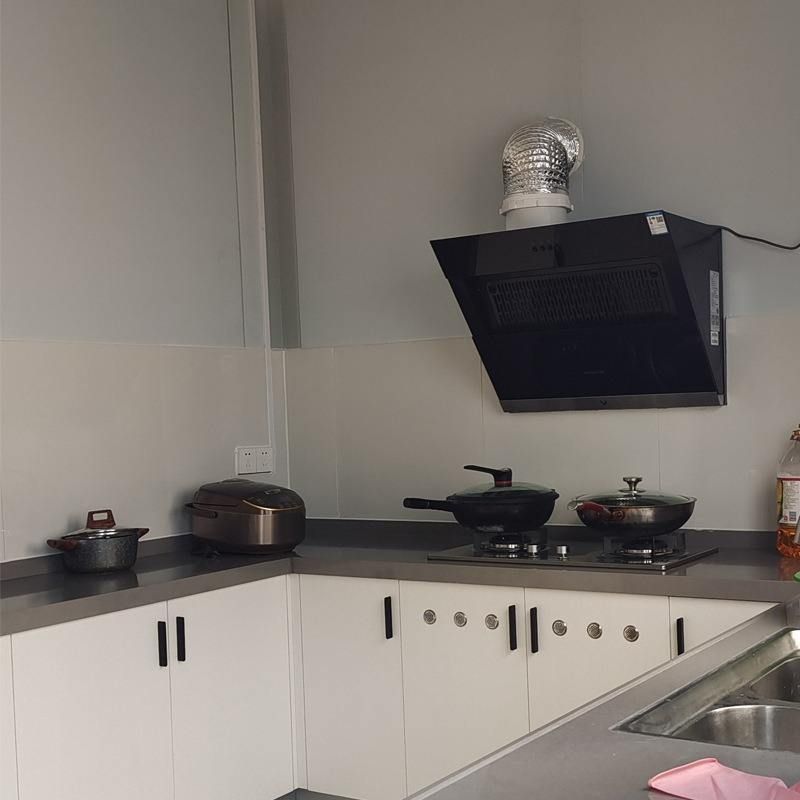
I. Types and Characteristics
- Foldable Containers: Relatively simple to manufacture, with a neat appearance, stable structure, and few welded parts. They are easy to install and dismantle on-site, requiring the cooperation of 2-3 people and taking a short time to install. Transportation costs are low, with a 6-meter vehicle able to carry about 6 sets and a 17.5-meter flatbed truck able to carry about 20 sets. Storage costs are low, as one location can accommodate multiple layers of stacked storage. There is significant room for optimizing usage costs, as they possess fire resistance, earthquake resistance, wind resistance, and rain leakage prevention. They can be folded repeatedly 500 times and have a long lifespan with reasonable use.
- Packing-Box Units/Flat-Pack Containers: They have a stable structure and usually adopt standardized designs, facilitating quick assembly and disassembly, making them suitable for large-scale construction sites.
- Color-Steel Houses/K-Type Panel Houses: Using color-coated steel sheets as materials, they offer excellent sound insulation and heat insulation performance, a bright and beautiful appearance, low cost, and strong load-bearing capacity, with a service life of over 20 years.
- Corrugated Containers/Welded Containers: Adopting corrugated sheets or welding processes, they have high structural strength, outstanding wind and earthquake resistance, and are suitable for complex terrains or long-term use scenarios.
II. Application Scenarios
Container houses at construction sites are mainly used for worker dormitories, project department offices, temporary warehouses, guardrooms, and other scenarios. Their modular design allows for rapid construction, meeting the needs of sudden entry and tight project schedules. At the same time, they comply with low-carbon construction requirements, generating less construction waste and reducing carbon emissions by over 80% compared to traditional temporary buildings.
III. Selection Recommendations
- Prioritize brands with complete third-party safety inspection documents and fire and wind resistance performance that complies with the "General Technical Conditions for Prefabricated Integrated Houses."
- Select the appropriate type based on the project cycle. For short-term projects, consider renting foldable containers, while for long-term projects, choose to purchase durable welded containers or color-steel houses.
- Pay attention to the service provider's whole-life cycle costs, including procurement investment, the number of reuse cycles, residual value, and operation and maintenance expenses.



