
What Materials Are Needed for Mobile Toilets
The commonly used materials for mobile toilets mainly include metal materials, plastic/composite materials, wooden materials, and other special functional materials, as detailed below:
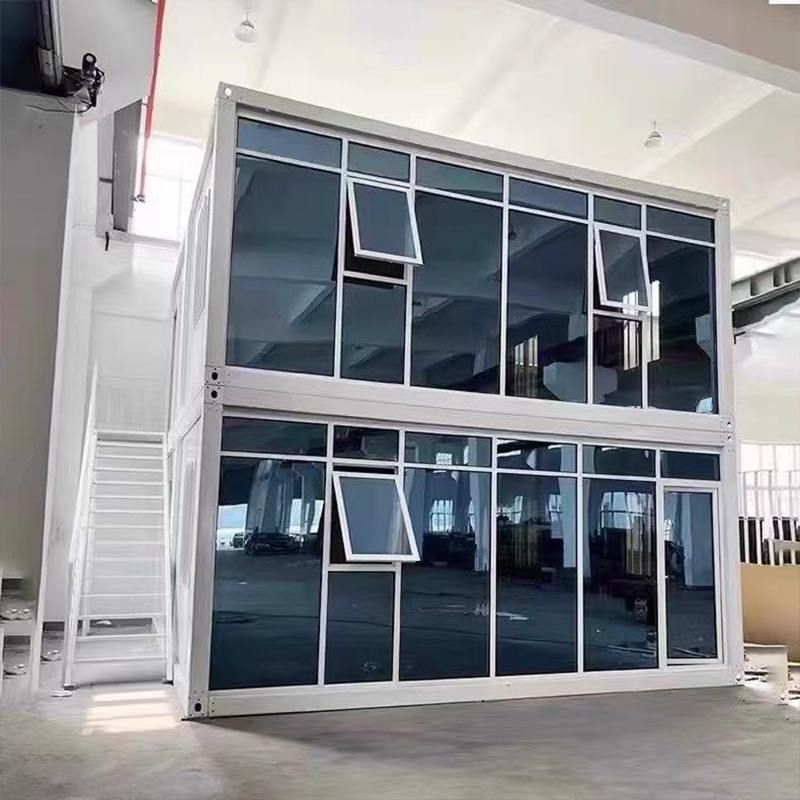
Metal materials are the primary choice for the core framework and functional components of mobile toilets. Aluminum alloy, due to its lightweight and strong corrosion resistance, is often used to fabricate the toilet's framework and structural components, ensuring overall stability while reducing transportation and installation difficulties. Stainless steel, with its exceptional corrosion resistance, is mainly applied to the hardware inside the restroom (such as water tanks, water pipes), door hinges, and some exterior finishes, ensuring long-term use without rusting or damage, thereby extending the equipment's lifespan.
Plastic/composite materials are widely used in mobile toilets, balancing functionality and cost-effectiveness. PVC panels are commonly used for interior partitions, wall panels, and ceiling panels in restrooms. Their waterproof, moisture-proof, and easy-to-clean properties effectively address the high humidity and stain issues in toilet environments. Fiberglass-reinforced plastic (FRP), composed of resin and glass fibers, is often used for the restroom's outer shell or overall structure. Its strength is close to that of steel, but its weight is significantly reduced. Additionally, it offers corrosion resistance and aging resistance, making it suitable for long-term outdoor use.
Wooden materials, after special treatment, can also be used for partial decoration or structural components in mobile toilets. Pressure-treated wood, after undergoing pressurization treatment, can be used for interior decoration or exterior framework in restrooms, retaining the aesthetic appeal of wood grain while enhancing moisture and insect resistance. Eco-wood, composed of wood powder and plastic, combines the appearance of wood with the durability of plastic, often used for interior decorative panels or partitions, enhancing user comfort.
Other materials are designed to meet the special needs of mobile toilets. Rock wool sandwich panels are used for ceiling panels or partition walls. The rock wool filled inside effectively provides sound insulation and thermal insulation, with a fire rating of Class A, enhancing safety performance. High-density polyethylene (HDPE) panels possess high strength, impact resistance, and UV resistance, commonly used for the bottom and exterior decoration of restrooms, adapting to complex outdoor environments and reducing maintenance costs.
These materials, when scientifically combined, meet the lightweight and durable requirements of mobile toilets while兼顾ing (considering) waterproof, fireproof, and environmentally friendly functions, ensuring stable operation in different scenarios.



