
Lujinyuan Container House
There is relatively little information on Lujinyuan container houses, but general knowledge and purchasing advice for container houses can be provided.
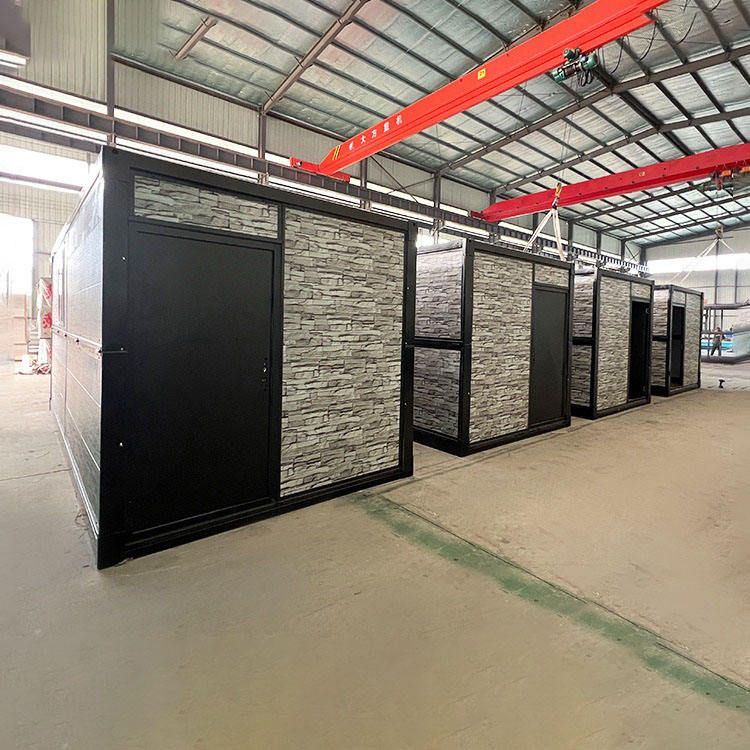
Composition and Characteristics of Container Houses
Container houses are transformed from containers as the basic structural modules, featuring both sturdiness and durability, convenient construction, and controllable costs. Internally, they are usually equipped with thermal insulation layers, lighting sockets, and ventilation ducts, while externally, they are wrapped with galvanized steel frames or color-coated steel plates. Compared to traditional brick-and-mortar structures, they place greater emphasis on asset liquidity and scenario reusability, enabling modular assembly without the need for pouring heavy foundations, making them particularly suitable for construction projects with tight schedules or temporary land ownership.
Key Points for Purchasing Container Houses
- Structural Safety: The main frame should be made of high-strength weather-resistant steel, and the welding process should comply with relevant standards to ensure earthquake resistance, wind resistance, and load-bearing capacity. For example, the roof load-bearing capacity should generally be ≥150kg/㎡.
- Thermal Insulation: The walls often adopt a 'sandwich' composite panel structure filled with materials such as rock wool, glass wool, or polyurethane, with a thermal conductivity as low as 0.022 - 0.045W/(m·K), meeting the energy-saving requirements of different climate zones.
- Environmental Protection and Recyclability: Modular design enables a reuse rate exceeding 90%, significantly reducing construction waste. The use of green spraying processes and recyclable materials aligns with the national 'dual carbon' strategy.
- Quality Control: Choose enterprises with standardized production and quality inspection systems, introduce intelligent manufacturing production lines, and strictly control raw materials and key processes to ensure product consistency upon leaving the factory.
- Design Practicality: Provide integrated design from structure, water and electricity, interior decoration to furniture, and even incorporate systems such as photovoltaic roofs, smart door locks, and air purification.



