
Longxi Monolithic Structure Mobile Toilet
A monolithic structure mobile toilet is a sanitary facility with an independent structure and mobility, typically composed of multiple functional modules, capable of adapting to changes in site requirements. The following provides a detailed introduction in terms of structural characteristics, components, material selection, etc.:
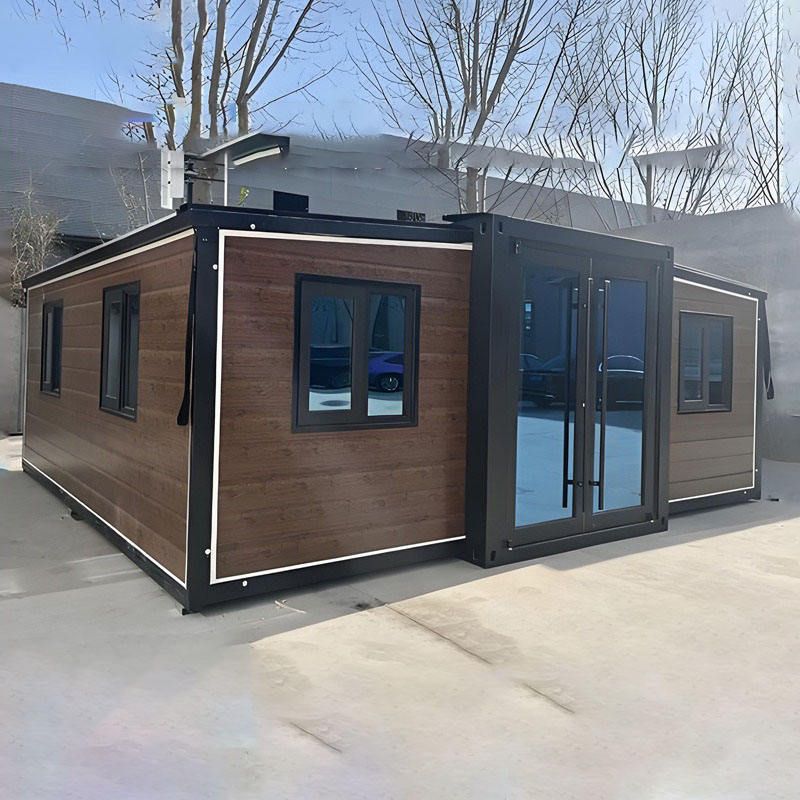
1. Structural Characteristics
The core advantage of a monolithic structure mobile toilet lies in its independence and mobility. Designed as a single unit, it can be used independently without relying on other building structures and can be relocated as a whole through bottom moving devices (such as wheeled or track-based structures). This characteristic makes it particularly suitable for scenarios requiring flexible adjustment of sanitary facility locations, such as temporary events, construction sites, and tourist attractions, effectively reducing resource waste caused by the demolition of fixed toilets.
2. Components
- Fecal Treatment System: Includes fecal sewage storage tanks or integrated treatment devices. Storage tanks are used for temporary collection of excreta and require regular cleaning; treatment devices achieve on-site purification through biodegradation, chemical treatment, and other technologies, reducing cleaning frequency.
- Structural Framework: The bottom is usually welded with channel steel or I-beams to ensure overall stability; columns mostly use square steel to support walls and roofs.
- Walls and Roof: Wall materials include color-coated steel plates (lightweight, rust-resistant), fiberglass reinforced plastic (corrosion-resistant, easy to clean), stainless steel (durable, aesthetically pleasing), and metal carved panels (heat-insulating, decorative); the roof must have waterproofing capabilities and often uses color-coated steel plates or asphalt shingles.
- Sanitary Facilities: Equipped with standard sanitary ware (such as toilets or squat pans), washing facilities (sinks, faucets), and water tanks; some high-end models also include hand dryers and deodorization devices.
- Moving Device: Wheeled or track-based structures are installed at the bottom for easy manual or mechanical pushing; some models are equipped with hydraulic lifting systems to adapt to uneven ground.
3. Material Selection and Advantages
Material selection directly affects the durability, maintenance costs, and applicability of the toilet. For example, color-coated steel plate walls are low-cost and easy to install, suitable for short-term use scenarios; stainless steel walls, although more expensive, are highly corrosion-resistant and suitable for coastal or high-humidity areas; metal carved panels combine heat insulation and decorative functions and are often used in high-end tourist attractions. Roof materials should be selected based on climatic conditions, with sloped roof designs preferred in rainy areas for rapid drainage.
4. Application Scenarios
Monolithic structure mobile toilets are widely used in scenarios requiring rapid deployment of sanitary facilities, such as music festivals, sports events, post-disaster reconstruction, and other temporary events, as well as construction sites and remote tourist attractions where fixed facilities are insufficient. Their modular design also supports functional expansion, such as adding barrier-free facilities or母婴室 (nursing rooms) to meet special needs.



