
Lishui Temporary Mobile Toilet Design
The design of temporary mobile toilets in Lishui needs to comprehensively consider functionality, environmental adaptability, and transportation convenience, mainly including the following core points:
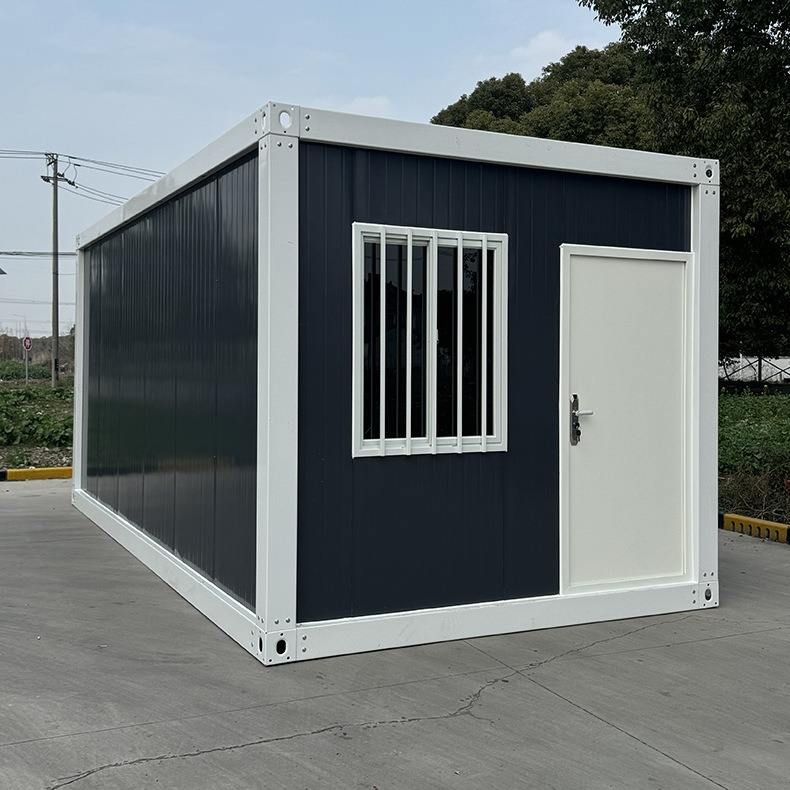
1. Accommodation and Structural System The external box body is made of lightweight and high-strength composite materials, such as fiberglass or aluminum alloy, ensuring structural stability while reducing self-weight for easy rapid hoisting and transportation. The design should optimize space utilization, for example, by adopting a modular splicing structure that combines standardized components to adapt to different site requirements. For the mountainous terrain in Lishui, the structure needs to have wind and earthquake resistance capabilities, and a reinforcing frame can be added at the bottom to enhance overall stability.
2. Waste Collection and Treatment System Select the treatment method according to the usage scenario: Water-flush toilets require a small-scale sewage treatment system to reduce sewage discharge through biological degradation or chemical treatment, suitable for areas with sufficient water sources; Non-water-flush packaged toilets use biodegradable environmental protection bags to collect waste, eliminating the need for supporting sewage treatment equipment and being more suitable for water-scarce or remote mountainous areas. The waste storage tank should be made of corrosion-resistant materials (such as HDPE plastic) and equipped with a leak-proof sealing structure. The capacity should be designed according to the number of users and service cycle, usually 200-500 liters, to reduce the frequency of waste removal.
3. Flushing and Environmental Maintenance System The flushing device should preferably adopt a water-saving design, such as foot-operated or sensor-based electric flushing, with a single water consumption controlled at 3-6 liters, and be equipped with an independent clean water tank for closed-loop water management. The environmental maintenance system includes forced ventilation devices (such as axial fans) and lighting facilities. The ventilation system should have rain and insect-proof functions, and the lighting can use solar-powered LED lights to reduce energy consumption. Some high-end models are equipped with simple hand-washing devices, and the capacity of the independent water storage unit should meet basic usage requirements.
4. Material and Adaptability Design In view of the humid and rainy climate characteristics in Lishui, the main structure and internal fittings should be made of corrosion-resistant materials, such as 304 stainless steel or fiberglass, to avoid corrosion damage after long-term use. Modular design is the key, enabling rapid assembly and disassembly through detachable structures (such as bolt connections) to adapt to transportation requirements on narrow roads or in complex terrains. If the site has a large slope, a customized entrance design with anti-slip pedals can be made to ensure usage safety.
5. Installation Foundation Treatment The ground needs to be hardened (such as concrete pouring) to prevent settlement. The foundation thickness should be adjusted according to the geological conditions, usually 10-15 centimeters. If the site is soft soil or backfill, a gravel cushion or steel reinforcement should be added. Before installation, level calibration should be carried out to ensure the overall stability of the toilet and avoid structural deformation or poor drainage caused by uneven ground.



