
Linyi Mobile Toilet Solution
The Linyi mobile toilet solution covers aspects such as customized production, diverse specifications, flexible combination and transportation, interior design, and environmental protection and hygiene.
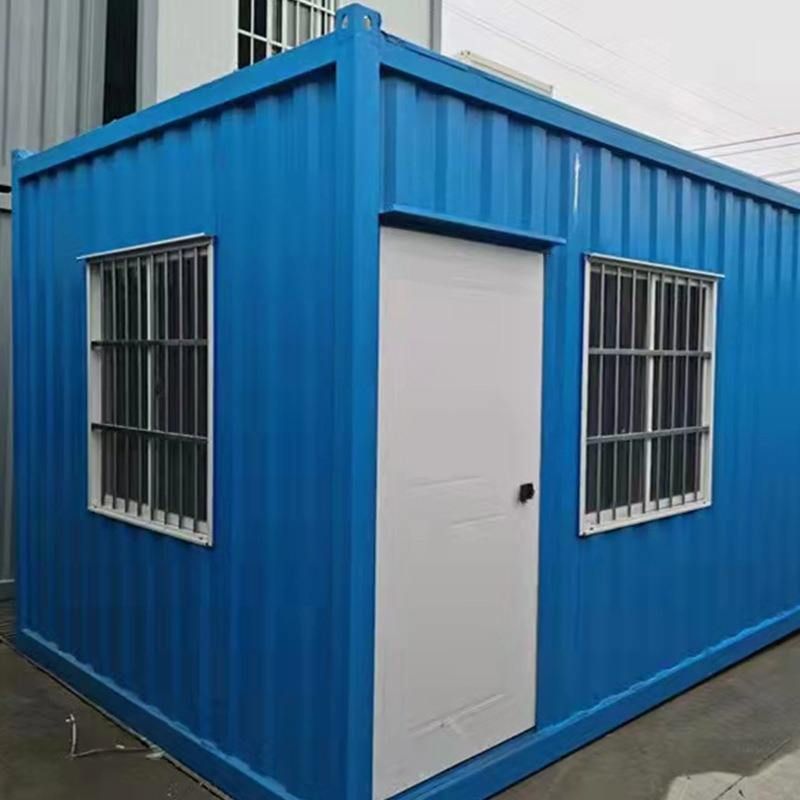
Customized Production: Mobile toilets are mostly custom-made, and three major factors need to be considered during production. Determine the number of internal squatting positions and the ratio of male and female areas based on the user traffic. For example, at large event venues with high traffic, more squatting positions should be set up and the male and female areas should be reasonably allocated. Set up functional areas according to the needs of different groups of people, such as a third toilet for the convenience of special groups and a management room for management personnel. The reserved area on site should be able to ensure the smooth hoisting and installation of the toilet, and a flat ground should be poured in advance.
Diverse Specifications: There are three specifications: small, medium, and large. Small mobile toilets are 1.5 to 2 meters in length and 1 to 1.2 meters in width, suitable for areas with limited space such as park corners and alleys, equipped with basic toilets and sinks. Medium-sized mobile toilets are 2.5 to 3.5 meters in length and 1.5 to 2 meters in width, which can be used by several people at the same time. They are suitable for small squares and community activity centers, with a more reasonable interior layout and more complete ventilation and lighting systems. Large mobile toilets are over 5 meters in length and over 2.5 meters in width, used at large event venues such as exhibitions and concerts. They can accommodate a large number of people at the same time and are also equipped with functional areas such as barrier-free facilities areas and cleaning tool storage areas.
Flexible Combination and Transportation: With universal wheels and traction devices installed at the bottom, ordinary trucks can easily tow them. They can be used after simple fixation at the new site. For example, during the Linyi Marathon, more than 200 mobile toilets were quickly transported to the event sites. Multiple single rooms can be connected by buckles, and the number can be increased or decreased according to needs. After combination, they can also be equipped with functional modules such as male and female partitions, barrier-free toilets, and sinks. The product design is compact, and a truck can carry more than ten units. The transportation cost is only one-third of that of fixed toilets, and the installation can be completed in as fast as 15 minutes after arriving at the site.
Interior Design Considerations: It is necessary to consider the type of mobile public toilet, the height of the toilet, and the area occupied by the structure. Understand the site environment in advance to accurately reserve space for water supply and drainage facilities, and reasonably configure toilet exhaust vents and air inlets and outlets.
Environmental Protection and Hygiene: There are water flushing devices, with water tanks placed on the top of the toilet and sewage tanks at the bottom. There are also waterless flushing and packaging types, where one plastic bag is used per person. A mechanical sealing device is used to seal the feces in the plastic bag, which then falls into the collection box after packaging. When the packaging bags are running low, an automatic alarm is triggered, and one bag change can be used for 50 person-times.



