
Light Steel Houses and Prefabricated Panel Houses
There are significant differences between light steel houses and prefabricated panel houses in terms of structure, performance, lifespan, and policy support.
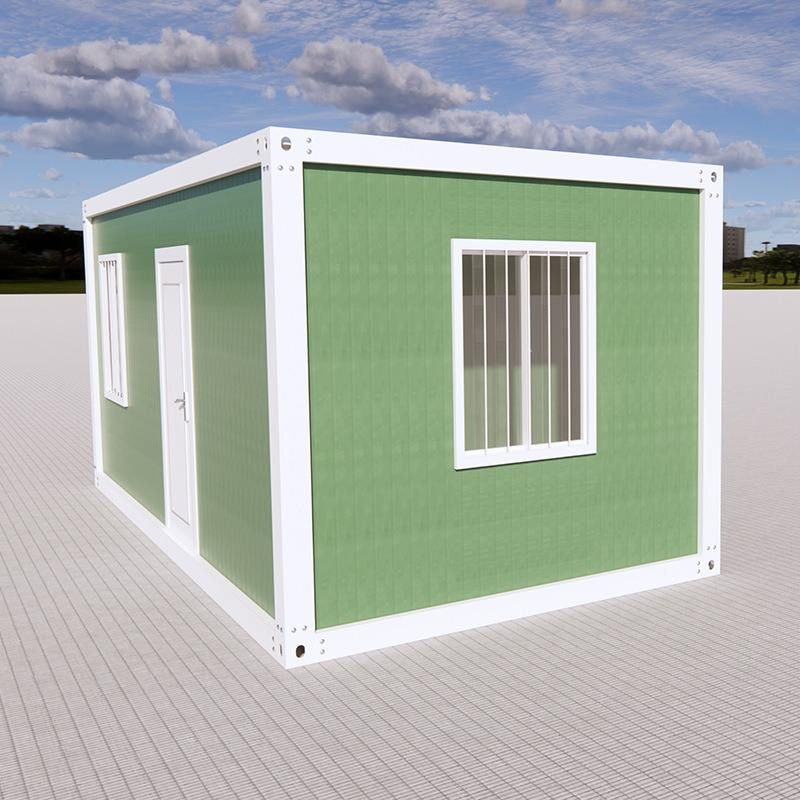
1. Structure and Materials
Light steel houses are constructed using galvanized steel strips as the framework, assembled in a modular fashion. They are lightweight and have a flexible structure. Up to 85% of their materials can be recycled, aligning with the concept of green building. Prefabricated panel houses, on the other hand, use factory-prefabricated concrete components (either solid or hollow) as the main load-bearing structure. The hollow design reduces weight, but the materials are non-recyclable.
2. Performance Comparison
- Earthquake and Wind Resistance: Light steel houses have an earthquake resistance rating of up to 9 and can withstand winds of up to 12 on the Beaufort scale, making them suitable for earthquake-prone or high-wind areas. Prefabricated panel houses generally have weaker earthquake resistance, and many existing buildings pose structural safety risks.
- Sound and Thermal Insulation: The sound insulation of light steel houses is slightly inferior to that of brick-and-mortar structures, requiring additional thermal insulation layers in summer. Prefabricated panel houses have poor sound and thermal insulation performance, with the hollow structure further reducing heat retention.
- Energy Consumption and Environmental Protection: The construction energy consumption of light steel houses is 40% lower than that of traditional buildings, and their materials have a high recycling rate. The production process of prefabricated panel houses consumes more energy, and the demolition of old buildings generates a large amount of construction waste.
3. Construction and Lifespan
Light steel houses have a fast construction speed. For example, a 68-square-meter fully furnished house can be completed in 30 days, with a designed lifespan of 70 years. Prefabricated panel houses have a longer construction period, with existing buildings having a lifespan of approximately 30 - 50 years. Due to material aging issues, their maintenance costs are higher in the later stages.
4. Policy Support
As green buildings, light steel houses enjoy subsidy policies in 28 provinces, promoting their widespread adoption. Since 2022, the focus for prefabricated panel houses has been on repair and renovation, with demolition only carried out for buildings that meet the criteria for dangerous structures. Policy guidance emphasizes safety reinforcement rather than new construction.
5. Suitable Scenarios
Light steel houses are suitable for scenarios that prioritize rapid construction, environmental protection, energy efficiency, and long-term use, such as rural self-built houses and tourist homestays. Due to their performance limitations, prefabricated panel houses are now mostly used for temporary buildings or low-rise residential renovations, with new construction projects gradually being replaced by other structural types.



