
Large Mobile Toilet
Large mobile toilets are sanitary facilities that can be flexibly moved and adapted to the needs of various locations. They feature durable materials, diverse structures, and flexible functions, and are widely used in scenic spots, parks, amusement parks, factory sites, and other settings.
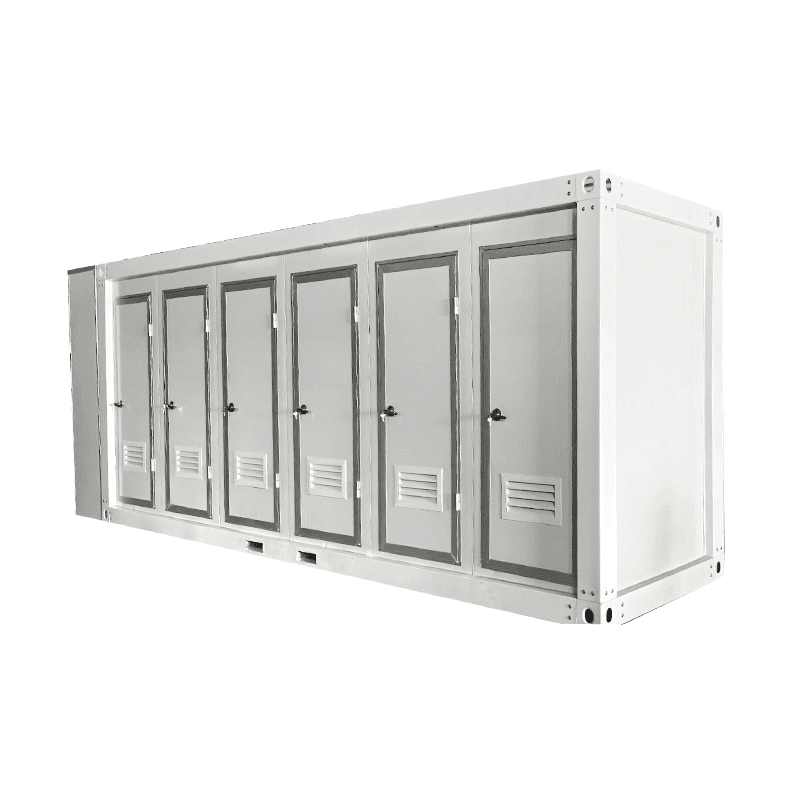
I. Application Scenarios and Advantages
The core advantage of large mobile toilets lies in their deployment capability without terrain restrictions, allowing for rapid installation in areas lacking fixed sanitary facilities. For example, scenic spots can use mobile toilets to alleviate passenger flow pressure during peak tourist seasons or temporary events; factory sites can adjust their positions according to construction progress to meet workers' needs; parks or amusement parks can flexibly arrange them based on pedestrian distribution to enhance service convenience.
II. Material and Structural Design
Material Selection
- Shell Material: Special customized metal carved panels are commonly used, featuring thermal insulation, corrosion resistance, and adaptability to outdoor environments. Some adopt galvanized steel frame structures with double-roof designs to enhance structural stability. The exterior wall colors can be customized with premium color schemes to improve aesthetics.
- Frame Material: Thickened and reinforced galvanized square steel welding or galvanized steel frames are mostly selected to ensure overall load-bearing capacity and wind resistance.
Internal Structure
- Squat Position Configuration: Customized according to needs, such as 6 squat positions, 7 male and 1 female squat positions, etc., to meet different gender ratio requirements.
- Functional Area Design: Open hand-washing areas can be added, equipped with faucets, sinks, etc., to enhance the user experience. Some models also include additional functions such as management rooms and barrier-free restrooms.
III. Classification and Sewage Treatment Methods
By Structural Form
- Single-Unit Structure: Independent units suitable for small-scale scenarios with flexible deployment.
- Composite Structure: Composed of multiple units, offering larger capacity and suitable for high-traffic areas.
By Mobility Method
- Lifting and Handling Type: Relies on lifting equipment or manual handling, suitable for short-term, low-frequency mobility scenarios.
- Powered and Trailer Type: Equipped with power systems or trailer devices, capable of self-movement or being towed by vehicles, suitable for long-distance or frequently adjusted positions.
By Sewage Treatment Method
- Water Flush and Waterless Suction Type: Treats excreta through water flushing or vacuum suction, requiring connection to sewage pipes or regular pumping.
- Circulating Water Flush Type: Uses biodegradation technology to purify sewage, achieving water resource recycling and high environmental protection.
- Dry Packing Type: Uses degradable bags to collect excreta, requiring no water source, suitable for water-scarce or strictly environmentally regulated areas.
Large mobile toilets, through modular design and diverse functions, have become an efficient solution for sanitary needs in temporary or mobile scenarios. Their classification and configuration should be comprehensively selected based on specific scenarios, budgets, and environmental protection requirements.



